Nopal Cactus: A Powerful Medicinal Plant Behind a Spiky Appearance
With its tough, spiny pads, the nopal cactus might look harsh and uninviting. Yet behind this rugged exterior lies one of nature’s most intriguing medicinal plants. For hundreds of years, people in Central and South America have relied on nopal to support their health and manage a wide range of ailments.
Opuntia ficus-indica, commonly known as prickly pear cactus or nopal, belongs to the cactus family and thrives in hot, dry climates. Today, it is cultivated around the world for its fruits, edible pads, and especially for its health-promoting properties.
Modern scientific research increasingly confirms what traditional medicine has long claimed: nopal is rich in essential nutrients, fiber, and antioxidants. Thanks to this unique composition, the cactus may help support multiple aspects of health and wellness.
In this article, you will learn:
- The nutritional properties of nopal cactus
- Its main health benefits
- The different ways to use it
- Why it has become a focus of scientific research
What Is Nopal Cactus?
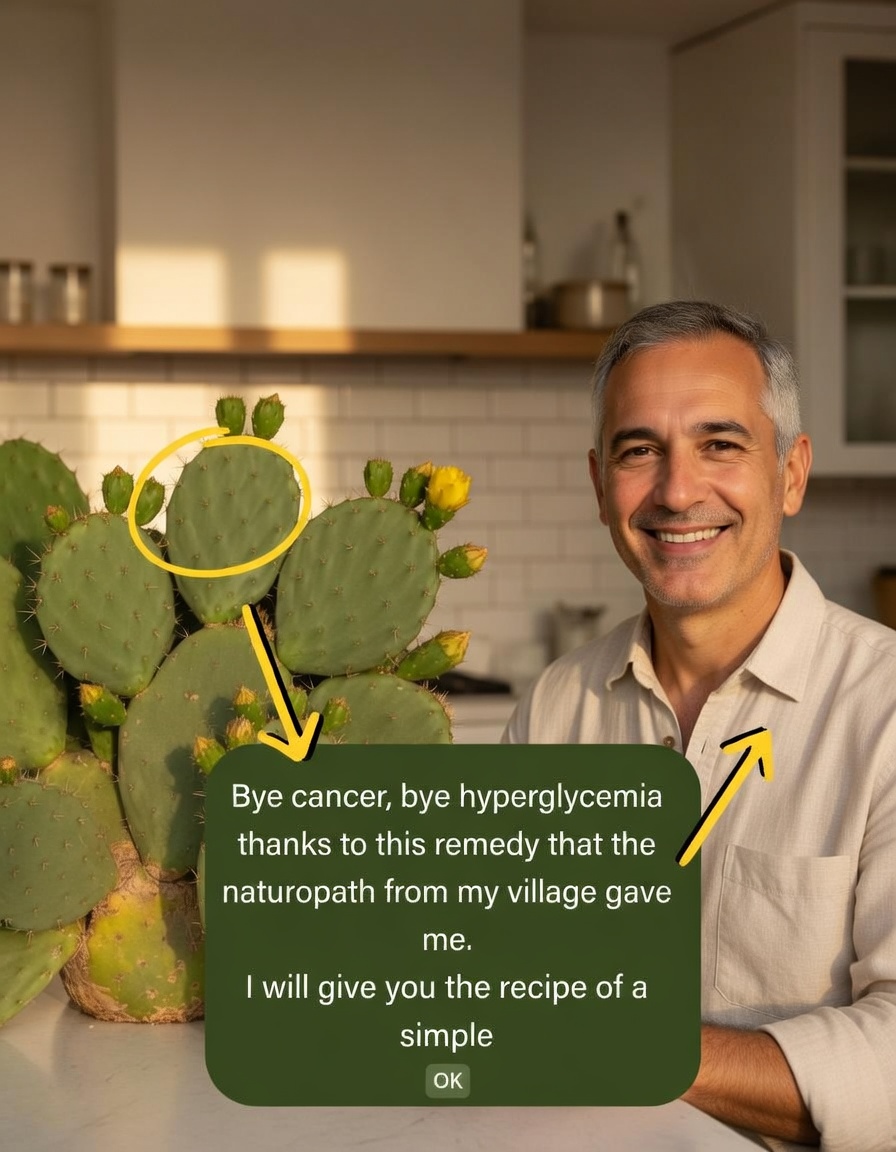
Nopal cactus (Opuntia ficus-indica) is a succulent plant that grows primarily in tropical and subtropical regions.
Several parts of the plant are used in food and traditional medicine:
- Cladodes (pads or “leaves”)
- Fruits, commonly called prickly pears
- Flowers
- Seeds
In Mexican folk medicine, nopal has long played an important role in supporting digestion, circulation, and metabolic health.
Today, you can find nopal in many forms, including:
- Fresh or dried pads
- Juice
- Powder
- Capsules and dietary supplements
Nutritional Profile of Opuntia Cactus
Much of the interest in nopal comes from its impressive nutritional profile.
Nopal contains, among other compounds:
Antioxidants
Antioxidants help protect cells from damage caused by free radicals, which are unstable molecules linked to aging and various chronic diseases.
Dietary Fiber
The cactus pads are rich in fiber, which supports healthy digestion and promotes a feeling of fullness after meals.
Carotenoids
These natural pigments are known to support skin health and contribute to optimal vision.
Polyphenols
Polyphenolic compounds exhibit anti-inflammatory and protective effects in the body.
Because of this complex mix of nutrients and bioactive substances, nopal is being studied for its potential impact on several key areas of health.
Key Health Benefits of Nopal Cactus
1. Possible Support in Cancer Prevention
Opuntia cactus is under investigation for its potential anticancer properties.
Some studies suggest that its antioxidant and anti-inflammatory compounds may help limit abnormal cell growth. Researchers have observed that certain cactus extracts show antiproliferative activity, meaning they may slow the multiplication of abnormal cells.
It is important to emphasize that research is still ongoing, and nopal should not be considered a cancer treatment. However, it may be of interest as a nutritional adjunct within a balanced lifestyle.
2. Blood Sugar Regulation
With type 2 diabetes on the rise globally, many studies are examining foods that may help stabilize blood glucose levels.
Nopal cactus contains soluble fiber that can slow down the absorption of carbohydrates in the intestine. Research conducted by Mexican scientific institutions has shown that consuming nopal may help reduce post-meal blood sugar spikes.
These findings indicate that nopal could be a useful addition to a balanced diet for people looking to maintain steady blood glucose levels.
3. Support for Weight Management
Obesity has become a major public health challenge worldwide.
Due to its high fiber content, Opuntia cactus may assist in weight management. The dietary fiber in nopal can:
- Increase satiety and reduce hunger
- Decrease fat absorption
- Slow digestion and prolong feelings of fullness
A German study found that certain cactus extracts can bind to dietary fats, helping the body eliminate them more easily. This effect may be beneficial as part of a broader weight-management strategy.
4. Improved Digestive Health
Nopal has been used for generations in traditional medicine to support a healthy digestive system.
The pads contain mucilaginous compounds (a gel-like substance) that can form a protective layer over the stomach lining. This may help:
- Reduce gastric irritation
- Improve digestive comfort
- Support overall gut health
Studies carried out in Mexico have confirmed that these substances can help shield digestive tissues from damage.
5. Potential Antiviral Properties
Some researchers have explored the ability of Opuntia cactus to act against certain viruses.
Studies from the United Kingdom suggest that specific cactus extracts may inhibit the replication of viral DNA and RNA. In practical terms, this means the plant could potentially help slow the spread of certain viruses within the body.
While these early results are promising, more in-depth research is needed to fully understand and confirm these antiviral effects.
6. Natural Anti-Inflammatory Effects
Nopal cactus is also being studied for its anti-inflammatory properties.
One of its active constituents, beta-sitosterol, appears to help reduce inflammation. This effect may be relevant in supporting conditions such as:
- Joint pain
- Arthritis
- Chronic inflammation
South Korean researchers analyzing stem extracts of the plant have observed noteworthy anti-inflammatory activity in experimental models.
7. Liver Protection
The liver is a central organ in detoxification and metabolic processes.
Studies conducted in Jordan have shown that Opuntia cactus juice may help protect liver cells from oxidative stress. These hepatoprotective effects suggest that nopal could support liver health, especially when the body is exposed to toxins or oxidative damage.
8. Relief of Hangover Symptoms
In traditional Mexican medicine, Opuntia cactus has been used to ease hangover discomfort.
A study at Tulane Health Science Center in the United States investigated this effect in 55 participants. The results showed that cactus extracts could help reduce:
- Nausea
- Dry mouth
- Loss of appetite
These benefits are thought to be linked to the plant’s ability to dampen inflammation triggered by alcohol consumption.
How to Consume Nopal Cactus
Opuntia cactus can be incorporated into the diet in various ways.
In Cooking
The pads (cladodes) can be:
- Grilled
- Sautéed
- Added to salads, stews, or egg dishes
The fruits (prickly pears) are often used in:
- Desserts
- Juices and smoothies
- Jams and jellies
As a Supplement
Nopal is also widely available as:
- Powder
- Capsules
- Liquid extracts
These forms are commonly used in dietary supplements aimed at supporting metabolism, digestion, and overall health.
Why Nopal Attracts Scientific Interest
Researchers are increasingly drawn to nopal cactus because of:
- Its high antioxidant content
- Its significant fiber levels
- Its anti-inflammatory compounds
- Its potential benefits for metabolic health
Together, these features make Opuntia ficus-indica an important subject in the fields of nutrition, phytotherapy, and natural medicine.
Precautions and Safety Considerations
Although nopal cactus is generally regarded as safe for most people when consumed in reasonable amounts, a few precautions are advisable:
- Digestive effects: High intakes may cause mild digestive discomfort in some individuals, such as bloating, gas, or changes in bowel habits.
- Blood sugar: Because nopal may lower blood glucose, people taking medication for diabetes should monitor their levels closely and consult a healthcare professional before using supplements.
- Medication interactions: If you are on prescription drugs (especially for blood sugar, blood pressure, or cholesterol), speak with your doctor to rule out potential interactions.
- Pregnancy and breastfeeding: There is limited safety data for high-dose supplements during pregnancy or breastfeeding, so medical advice is recommended before use.
- Allergic reactions: Individuals allergic to cactus species or related plants should avoid nopal.
Nopal should not replace medical treatment for conditions such as cancer, diabetes, or liver disease. It is best used as part of a balanced diet and healthy lifestyle, ideally under the guidance of a qualified health professional.