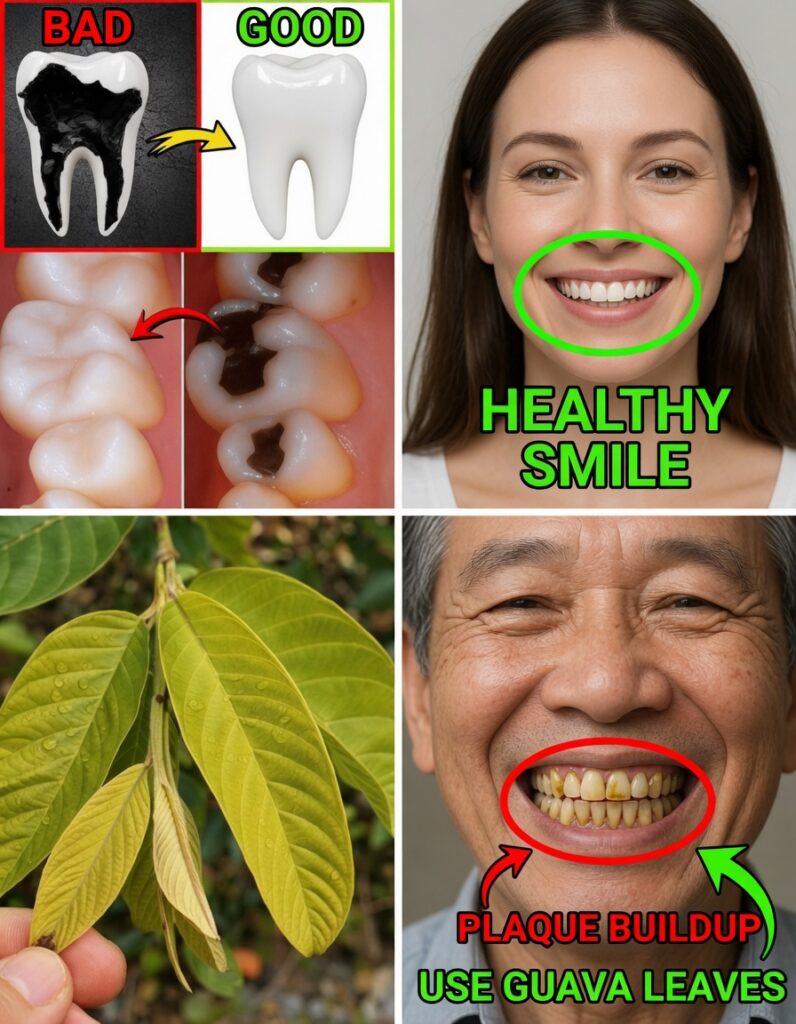
Tooth Decay Rarely Happens Overnight
Tooth decay usually does not appear suddenly. It tends to develop gradually, beginning with a light buildup of plaque, occasional gum discomfort, or persistent bad breath that is easy to overlook. Over time, these small issues can subtly affect your confidence, comfort, and overall oral health.
The encouraging part is that simple daily habits—especially gentle, natural approaches—can make a real difference in keeping your mouth cleaner and healthier. One surprising ally does not come from the pharmacy, but from nature: guava leaves. And by the end of this guide, you will discover one commonly forgotten habit that many people skip when using them.
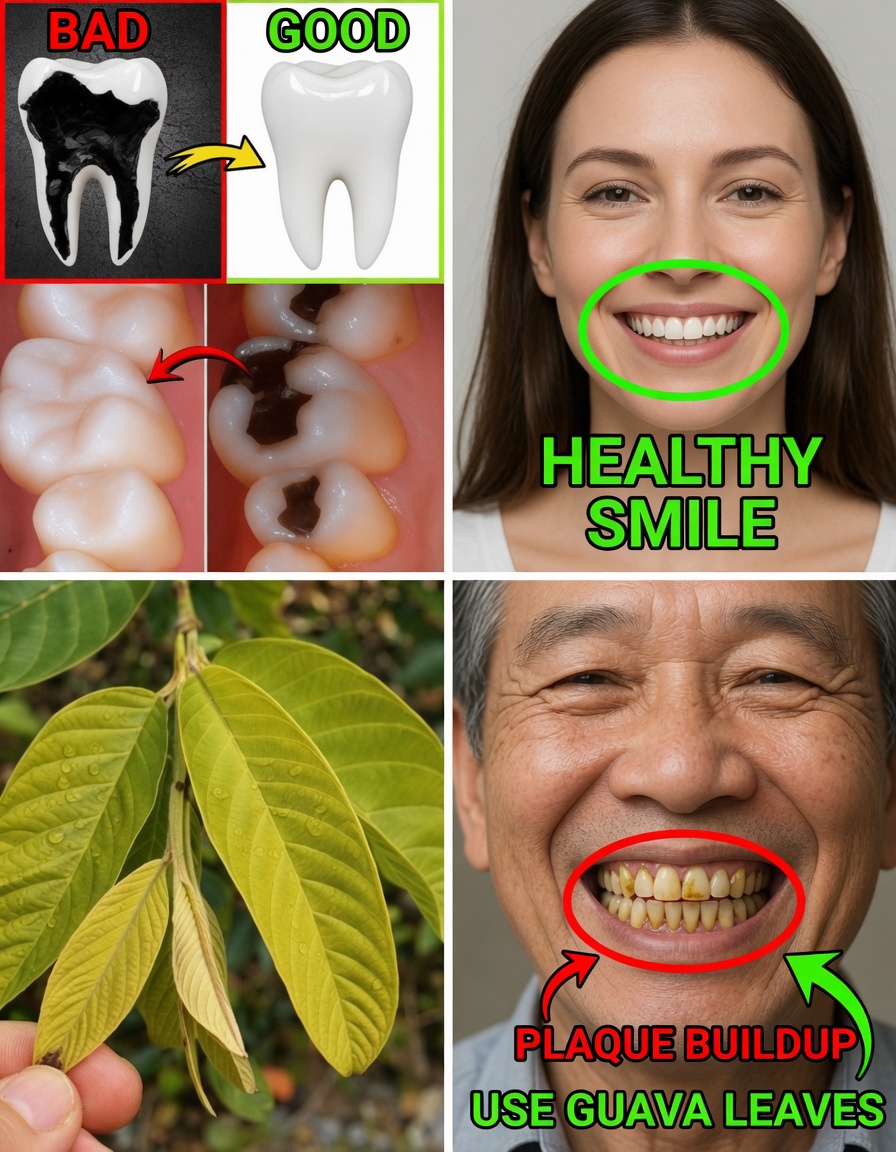
Why Guava Leaves Are Widely Used for Oral Hygiene
Guava leaves have been used for generations in traditional wellness practices across Asia, Africa, and Latin America. While the fruit is well known, the leaves contain plant compounds that are particularly interesting for natural oral-care routines.
Research has shown that guava leaves naturally contain:
- Flavonoids – plant antioxidants that may help slow the growth of certain bacteria
- Tannins – compounds with an astringent effect that can help tighten gum tissues
- Essential oils – which contribute to a clean, fresh feeling in the mouth
Here is why this matters: oral bacteria thrive when plaque accumulates and the gums become irritated. Traditionally, guava leaves have been used to help maintain a cleaner, more balanced environment in the mouth.
However, they do not replace brushing, flossing, or professional dental care. Think of them as a supportive addition to a solid oral-hygiene routine, not a substitute.
How Guava Leaves May Support Daily Oral Care
Before looking at the practical methods, it helps to understand why guava leaves are often used for teeth and gums.
Guava leaves may help to:
- Slow the growth of bacteria linked with plaque formation
- Support gum comfort, especially after meals
- Naturally improve bad breath
- Stimulate saliva flow, which helps protect tooth enamel
But how you use guava leaves is just as important as the leaves themselves. Below are three simple, traditional methods you can adapt to your daily life.
Method 1: Chewing Fresh Guava Leaves
This is one of the oldest and simplest ways to use guava leaves.
How to Do It
- Choose 2 to 3 young guava leaves from a clean, pesticide-free source.
- Rinse them thoroughly under running water.
- Chew them slowly for 3 to 5 minutes, allowing the natural juices to mix with your saliva.
- Spit out the remaining leaf fibers and rinse your mouth with water.
Why This Method Is Popular
Chewing the leaves releases their natural compounds directly into the mouth. The chewing action also increases saliva production, which helps rinse away food particles.
People who use this traditional method often like it because:
- It requires no complex preparation
- It can be done almost anywhere
- It leaves the mouth feeling fresher after meals
How Often to Use
- 2 to 3 times per week is usually enough
- Avoid overusing this method if your gums are sensitive
Tip: Young, tender leaves tend to have a milder, less bitter taste.
Method 2: Guava Leaf Mouthwash
If chewing the leaves is not appealing, this method is gentler and easier to fit into a modern oral-care routine.
How to Prepare the Mouthwash
- Wash 5 to 7 fresh guava leaves.
- Boil them in 1 cup of water for 10 to 12 minutes.
- Strain the liquid and let it cool until it is lukewarm.
- Swish the infusion in your mouth for 30 to 60 seconds, then spit it out.
Why People Like This Method
This mild rinse is traditionally used to:
- Help remove food residues
- Soothe the gums
- Freshen breath without alcohol or harsh chemicals
Unlike some commercial mouthwashes, it usually does not cause a strong burning sensation.
Best Practices
- Use once a day, preferably after brushing
- Store in the refrigerator for up to 3 days
- Prepare fresh batches regularly for best results
However, there is one step that many people forget when using this type of rinse—and it matters for enamel protection. You will discover it in the routine section below.
Method 3: Guava Leaf and Salt Paste
This method is often used when you want to focus on specific areas of the mouth.
How to Prepare the Paste
- Wash 4 to 5 guava leaves.
- Crush them into a paste using a mortar and pestle or a blender.
- Add a small pinch of salt and mix well.
- Gently apply the paste to your teeth or gums using a clean finger or a soft brush.
- Leave it on for about 5 minutes, then rinse your mouth thoroughly.
Why Add Salt?
Salt has been used for centuries in oral care for its cleansing properties. Combined with guava leaves, it forms a traditional paste used to support:
- Gum comfort
- The feeling of cleaner teeth
How Often to Use
- 1 to 2 times per week is generally sufficient
- Avoid daily use if your gums are easily irritated or sensitive
What Research Says About Guava Leaves and Oral Health
Modern studies have examined guava leaf extracts and their interaction with oral bacteria. Findings suggest that certain compounds in the leaves may help inhibit the growth of bacteria involved in plaque formation.
The antioxidant content of guava leaves is also being studied for its potential role in supporting gum tissues as they face everyday stress and irritation.
While promising, these findings do not replace professional recommendations from a dentist or dental hygienist, but they do support the traditional use of guava leaves as part of natural oral-care practices.
How to Add Guava Leaves to Your Daily Routine
Here is an example of how you might integrate guava leaves into a broader oral-care plan:
- Every day: Brush and floss thoroughly
- 2–3 times per week: Chew fresh guava leaves
- Daily or every other day: Use guava leaf mouthwash
- Once a week: Apply the guava leaf and salt paste, if desired
Now, here is the most commonly overlooked habit:
Always rinse your mouth with plain water 20 to 30 minutes after using guava leaves, especially before brushing your teeth.
This extra rinse helps reduce prolonged exposure of your teeth to the leaves’ natural acids, offering additional protection for your enamel. Many people skip this step, but it can make a meaningful difference over time.
Safety Tips and Precautions
- Use only fresh, clean leaves from reliable, pesticide-free sources
- Stop using them if you notice any irritation or discomfort
- Avoid guava leaves if you know you are allergic to guava or related plants
- Remember: these methods support oral hygiene but do not replace regular dental check-ups, professional cleanings, or treatment recommended by your dentist
Conclusion: Small Natural Habits for a Healthier Smile
Good oral health does not depend on a single product or miracle remedy. It is built on a consistent, mindful routine.
When combined with modern dental practices like brushing, flossing, and regular check-ups, guava leaves can offer a simple, natural, and affordable way to support everyday oral hygiene.
Whether you choose to chew them, use them as a mouthwash, or apply them as a paste, guava leaves demonstrate how traditional, nature-based habits can fit easily into daily life.
Frequently Asked Questions
Can guava leaves replace toothpaste?
No. Guava leaves should be used in addition to brushing with toothpaste and flossing, not as a replacement.
Are dried guava leaves effective?
Fresh leaves are generally preferred, but properly stored dried guava leaves can be used for infusions and rinses.
Can guava leaves be used long term?
When used moderately and as part of a balanced oral-care routine, guava leaves are often used over the long term in traditional practices. If you have existing dental conditions or concerns, talk to your dentist before making them a regular part of your routine.