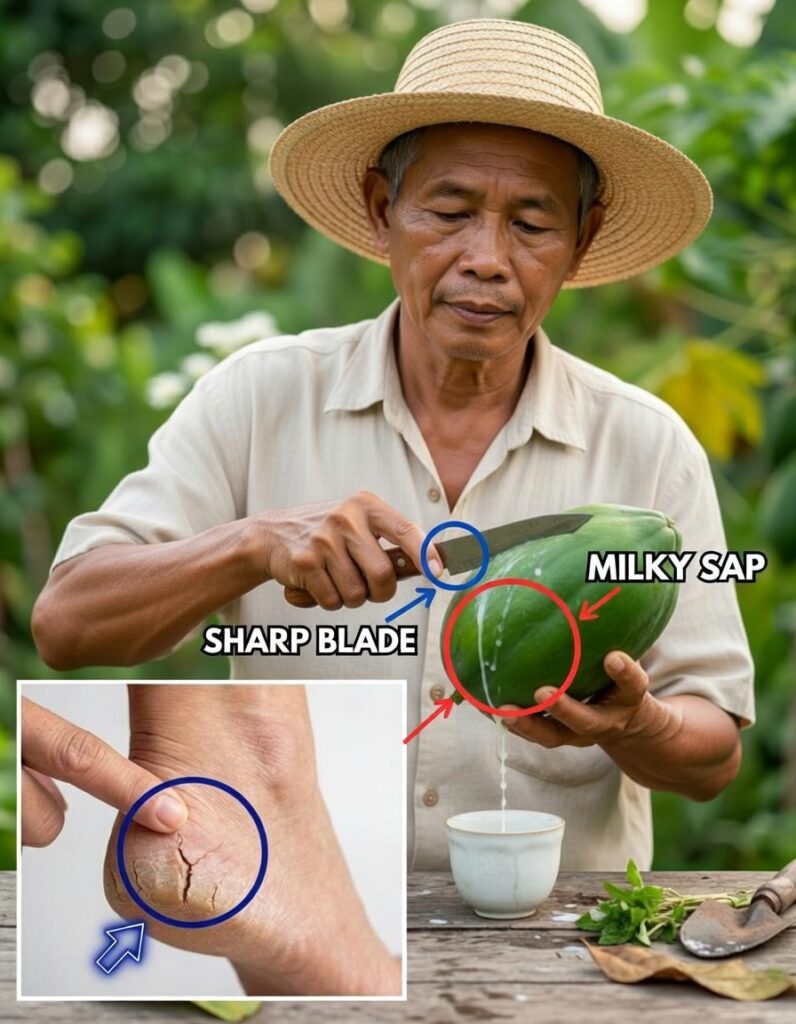
Papaya Sap: A Little-Known Natural Treasure for Your Well-Being
Papaya is widely appreciated around the world for its sweet, juicy fruit and impressive nutritional profile. Yet one part of the plant remains largely overlooked despite its remarkable potential: papaya sap, also known as papaya latex.
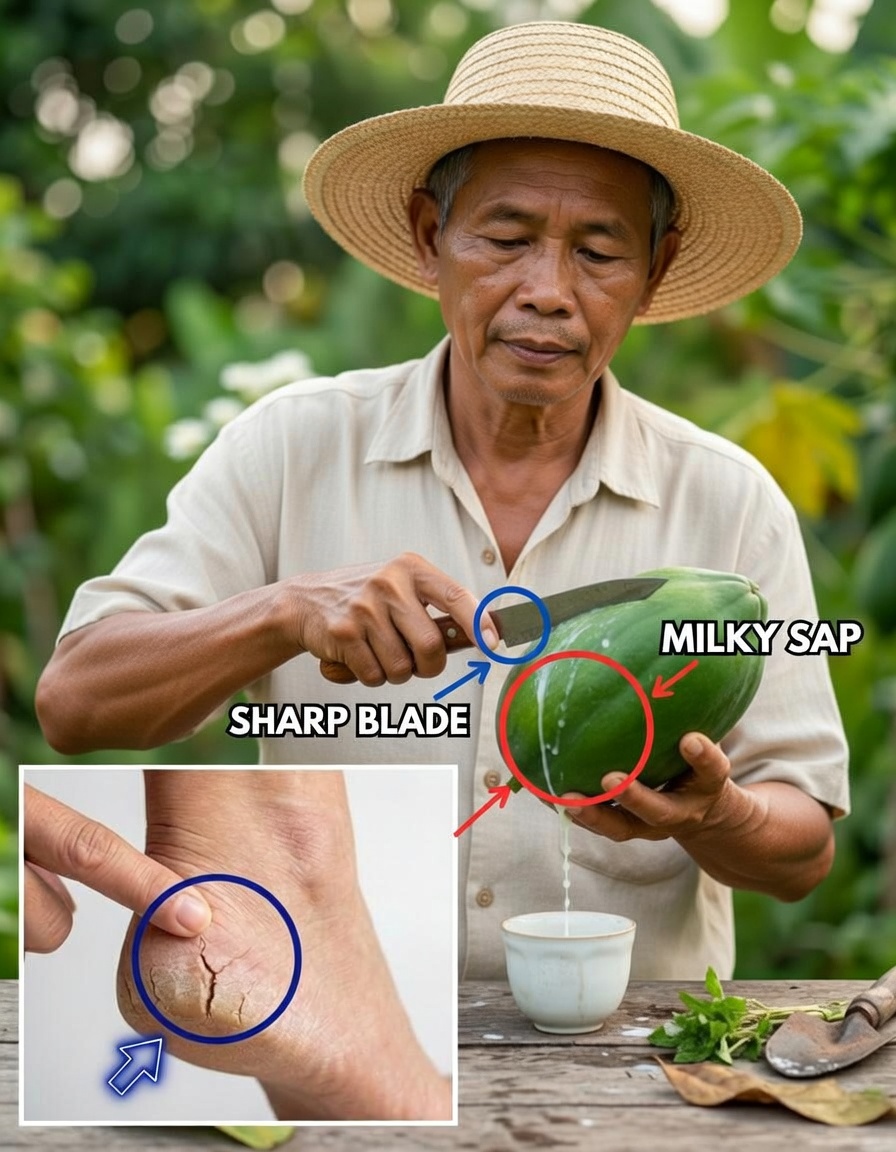
This white, milky fluid flows from the unripe fruit, the leaves, and the stem. It is packed with natural enzymes and bioactive compounds that can be used in health, beauty, and even the food industry.
What Is Papaya Sap?
Papaya sap is a thick, white latex found mainly in the younger parts of the papaya plant. It is exceptionally rich in natural enzymes, especially papain—a powerful proteolytic enzyme that breaks down proteins into smaller, more easily absorbed fragments.
Papain is part of a broader group of enzymes that also includes chymopapain and other proteases. Together, these enzymes make papaya sap highly active biologically and useful in a wide range of applications.
1. Digestive Benefits and Gut Health
One of the best-known uses of papaya sap is its ability to support healthy digestion. Because papain helps to split proteins into smaller peptides and amino acids, it can make them easier for the body to process and absorb. This may help to ease:
- The feeling of heaviness after eating
- Bloating and gas
- Digestive discomfort after protein-heavy meals (such as meat-rich dishes)
By improving protein digestion, papaya-derived enzymes are often included in digestive supplements aimed at promoting overall gut comfort.
2. A Natural Anti-Inflammatory Ally
Compounds in papaya sap have shown anti-inflammatory properties in various experimental studies. These components may help:
- Calm minor irritations
- Reduce certain inflammatory responses in the body
For this reason, papaya sap and papain have been used in traditional natural remedies to ease mild discomfort associated with inflammatory states. While more human research is still needed, these traditional uses highlight its potential as a natural support.
3. Skin Care and Beauty Uses
Papain works not only inside the body but also on the skin’s surface. It is frequently found in cosmetic products, such as facial scrubs, exfoliating masks, and peels.
Thanks to its gentle exfoliating action, papain can:
- Remove dead skin cells from the surface of the skin
- Refine skin texture and improve smoothness
- Promote a brighter, fresher-looking complexion
Because of these properties, papaya-based ingredients are popular in natural skincare for those seeking a radiant and more even-looking skin tone.
4. Culinary and Industrial Applications
Papaya sap is not limited to wellness and beauty. It also plays an important role in the food industry.
The enzyme papain is commonly used as a natural meat tenderizer, as it helps break down tough muscle fibers and connective tissues. This makes meats softer and easier to chew.
Papain and related enzymes are also used in:
- Certain cheese-making processes
- The production of various processed foods where protein breakdown is needed
These applications make papaya sap a valuable ingredient beyond the health and beauty sectors.
5. Traditional Medicine and Popular Uses
In many cultures, papaya sap has long been included in traditional medicine practices. Although scientific studies in humans are still limited, traditional uses attribute to papaya sap potential benefits such as:
- Supporting intestinal transit
- Contributing to overall digestive comfort
- Helping soothe minor skin inflammations when applied externally
These uses are part of local herbal knowledge and should be approached with care, especially in the absence of robust clinical data.
Safety and Precautions
Despite its many potential benefits, papaya sap must be used carefully.
-
Skin irritation:
Direct contact with fresh sap can irritate the skin, especially in people with sensitive skin or existing skin conditions. -
Allergic reactions:
Some individuals are allergic to papaya enzymes. This is often associated with a latex allergy, as papaya latex and natural rubber latex share similar allergenic proteins. -
Contraindications:
Pregnant women and individuals with specific medical conditions should consult a healthcare professional before using papaya sap or papain-based products (internally or externally).
Always follow professional advice and avoid self-medicating with fresh sap, particularly in concentrated or unregulated forms.
Conclusion
Although it is often overlooked, papaya sap is a genuine natural resource, rich in valuable enzymes and bioactive compounds. From aiding digestion to supporting skincare routines and enhancing food processing, its uses are varied and promising.
For those interested in natural wellness solutions, papaya sap—and especially the papain it contains—is an ingredient well worth exploring, provided it is used safely and wisely.
Extra Tip: How to Benefit from Papain Safely
If you want to enjoy the benefits of papain without handling fresh papaya sap, which can be irritating:
- Opt for dietary supplements that contain standardized papain or papaya enzyme blends.
- Choose cosmetic products (creams, masks, exfoliants) that include papaya extracts or papain and have been tested and formulated under controlled conditions.
These options allow you to access the advantages of papaya enzymes while minimizing the risks associated with direct contact with raw sap.