Garlic and Salt: What Really Happens in Your Body When You Combine Them?
In almost every cuisine around the globe, garlic and salt are a classic pairing. They elevate flavors, turn simple ingredients into satisfying dishes, and stimulate the appetite. Yet this traditional duo is not only about taste. Many cultures have also used garlic and salt as natural remedies for centuries.
So what actually happens inside your body when you use garlic and salt together? Can this combination support your health, or are there hidden drawbacks you should be aware of?
Let’s explore how this ancient alliance affects your body, from your immune system to your heart and digestion.
Why Are Garlic and Salt Used Together?
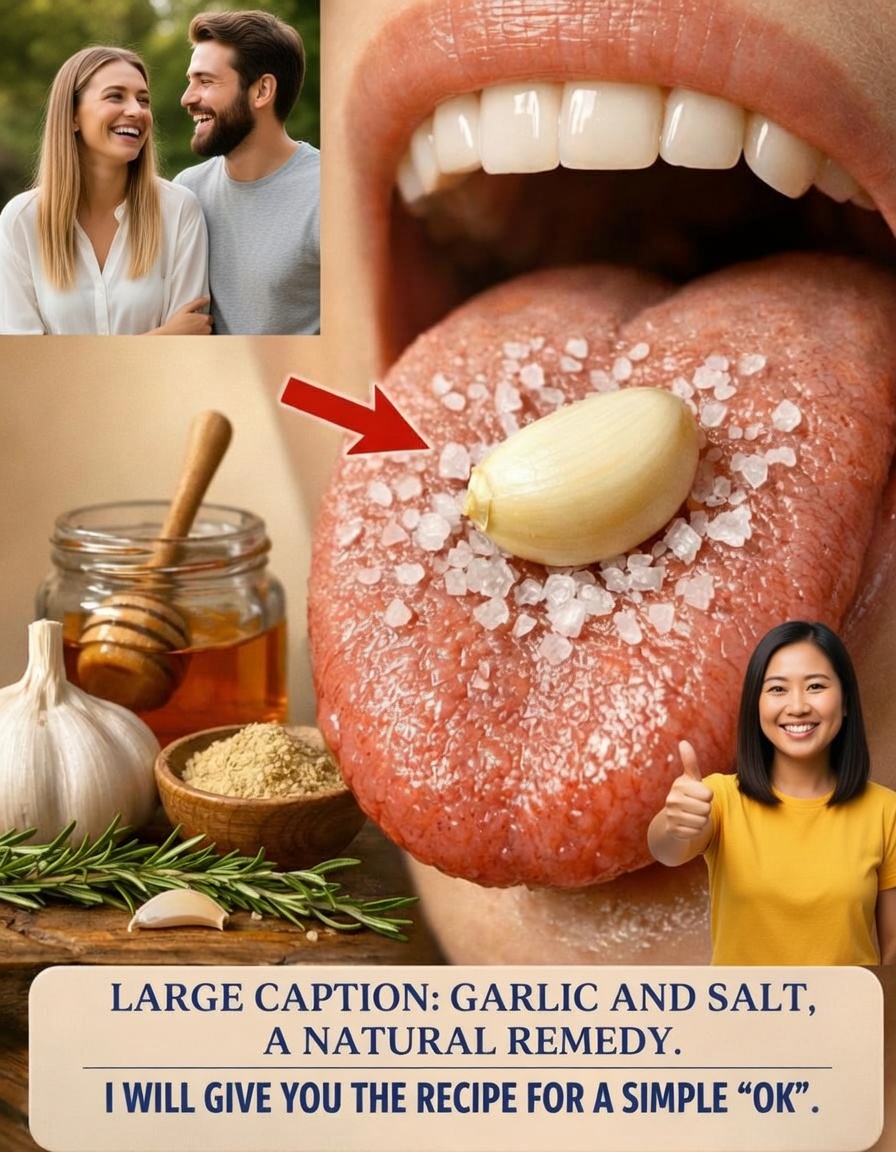
Garlic is rich in sulfur-based compounds, especially allicin, which is released when the clove is crushed or finely chopped. Salt, mainly composed of sodium, is essential for fluid balance, nerve function, and muscle contraction.
When combined, garlic and salt offer:
- A powerful flavor synergy that enhances almost any savory dish
- Better extraction of garlic’s active compounds, as salt helps crush the clove and draw out its juices
- Strengthened local antimicrobial action when used directly on certain areas (like in gargles or topical pastes)
However, their internal effects are more complex and depend greatly on how much you use—especially regarding salt.
The Health Effects of Garlic in the Body
1. Support for the Immune System
Garlic is widely known for its antimicrobial and antioxidant properties. Its active compounds may:
- Stimulate certain immune cells
- Help the body respond more efficiently to minor infections
- Reduce oxidative stress thanks to its antioxidant capacity
When consumed regularly in reasonable amounts, garlic can contribute to maintaining your natural defenses as part of a balanced diet.
2. Potential Cardiovascular Protection
Scientific studies suggest that regular garlic consumption may:
- Help slightly lower blood pressure in some people
- Contribute to a reduction in LDL (“bad”) cholesterol
- Improve the flexibility and function of blood vessels
These benefits are generally modest but can be meaningful over time when combined with healthy lifestyle habits such as a balanced diet, physical activity, and not smoking.
3. Effects on Digestion and the Gut
Garlic acts as a natural prebiotic, which means it can:
- Feed beneficial bacteria in the gut
- Stimulate digestive secretions
- Help limit certain imbalances in the intestinal microbiota
For many people, this can support better digestion. However, in individuals sensitive to FODMAPs or with irritable bowel syndrome, garlic may cause discomfort such as gas, bloating, or abdominal pain.
The Role of Salt in the Body
Salt is not the enemy by nature; the problem lies in excessive intake. In small, controlled amounts, sodium:
- Helps maintain fluid and electrolyte balance
- Enables nerve impulses to travel efficiently
- Supports proper muscle contraction, including the heart muscle
Yet too much salt over time can:
- Raise blood pressure
- Promote water retention
- Overload the cardiovascular system and, in some cases, the kidneys
This is why health authorities worldwide recommend limiting daily salt consumption, especially in populations at risk of hypertension or heart disease.
What Happens When You Consume Garlic and Salt Together?
1. Activation of Garlic’s Active Compounds
When you crush garlic with a pinch of salt:
- The mechanical pressure helps break the garlic’s cell walls
- This boosts the formation and release of allicin and other sulfur compounds
- Salt draws out moisture and juices, making the paste more concentrated in active substances
This can increase garlic’s potential biological effects, particularly its antimicrobial and antioxidant activities.
2. Stimulation of Digestion
Combining garlic and salt can gently support digestion:
- Salt enhances saliva production, which is the first step in digestion
- Garlic can stimulate gastric juices and bile secretion
- Together, they may help the body break down food more efficiently in some individuals
That said, people with a sensitive stomach, acid reflux, or gastritis should be cautious, as garlic can sometimes irritate the digestive tract.
3. Local Antimicrobial and Soothing Effect
Traditionally, a mix of crushed garlic and salt has been used:
-
As a warm water gargle:
- A small amount of crushed garlic and a pinch of salt diluted in warm water
- Used occasionally to help soothe mild sore throat discomfort thanks to natural antiseptic properties
-
As a topical paste (with great caution):
- Crushed garlic with salt has been applied on small areas for its antimicrobial effect
- This practice can be irritating and is not recommended on damaged or sensitive skin without professional advice
4. A Delicate Cardiovascular Balance
Here is where nuance is crucial:
- Garlic may support cardiovascular health by modestly helping reduce blood pressure and improving circulation
- Excess salt, on the other hand, can raise blood pressure and strain the heart
The combination can therefore be beneficial only if salt is kept to moderate levels. Garlic cannot fully “offset” the harmful impact of a very salty diet.
Key Benefits of the Garlic + Salt Combination (Used Wisely)
When salt is used moderately, the garlic–salt duo may offer:
- Support for natural immune defenses, thanks to garlic’s antimicrobial and antioxidant properties
- Help for blood circulation, through garlic’s potential cardiovascular benefits
- Better digestive comfort for some people, via prebiotic effects and stimulated secretions
- Increased antioxidant intake, which may help protect cells from oxidative damage
- Enhanced flavor, which can help reduce the need for heavy, fatty sauces or excessive added fats
In other words, this combination can make healthy dishes more appealing while adding protective compounds to your meals.
Traditional Uses of Garlic and Salt
1. Against Mild Infections (Traditional Use)
Historically, garlic and salt have been used:
-
As a gargle:
- Crushed garlic and a small pinch of salt mixed with warm water
- Used occasionally to ease mild throat irritation
-
In localized applications:
- Crushed garlic and salt pastes have been applied on small areas for antimicrobial purposes
- This can be harsh on the skin and should be approached with extreme caution
These uses come from traditional practices and are not a substitute for medical treatment, especially in the case of persistent or severe infections.
2. For “Healthy Cooking”
In the kitchen, garlic and salt can:
- Boost flavor so you can often use less heavy sauces and processed seasonings
- Support digestion for some people
- Provide a regular intake of natural protective compounds from garlic
Used as part of a varied, minimally processed diet, they can contribute to a more enjoyable and potentially more healthful way of eating.
3. Natural Preservation
Salt also plays a technological role in food preparation:
- It helps stabilize garlic in certain homemade condiments, such as garlic pastes, marinades, or fermented preparations
- By reducing water activity, salt helps preserve food and limit microbial growth
This is why many traditional recipes for garlic pastes and pickled or fermented garlic include a measured amount of salt.
How to Use Garlic and Salt Smartly
1. Simple Garlic–Salt Paste
- Crush 1 garlic clove with a small pinch of salt using a knife, mortar, or pestle
- Let the mixture sit for about 10 minutes before consuming or cooking with it
- This resting time allows allicin and other compounds to fully develop
Use it to:
- Rub on bread (with a drizzle of olive oil)
- Add to sauces, soups, or stews
- Mix into yogurt or dips for extra flavor
2. As a Seasoning at the End of Cooking
To preserve garlic’s active compounds:
- Add crushed or finely chopped garlic toward the end of cooking rather than at the very beginning
- Keep the amount of salt moderate; you can rely on herbs, spices, and lemon juice to boost flavor without extra sodium
This approach helps keep more of garlic’s beneficial properties while limiting salt intake.
3. Occasional Warm Gargle
For a traditional homemade gargle (for occasional use only):
- Pour a glass of warm (not boiling) water
- Add a very small amount of crushed garlic
- Add a pinch of salt and mix well
- Gargle for a few seconds, then spit it out (do not swallow)
This is a traditional practice and should not replace medical treatment when symptoms are strong or persistent.
Who Should Be Careful with Garlic and Salt?
Certain groups should be particularly cautious:
-
People with high blood pressure (hypertension)
- Need to strictly control salt intake
- Even with garlic present, excess salt remains harmful
-
Individuals on anticoagulant therapy
- Garlic can slightly thin the blood
- Combining it with blood-thinning medications may increase the risk of bleeding
-
Those prone to acid reflux or stomach sensitivity
- Garlic may irritate the digestive tract and worsen symptoms
-
People with impaired kidney function
- Excess salt can place additional strain on the kidneys
In any of these situations, medical advice is strongly recommended before significantly increasing garlic intake or using salt-based preparations regularly.
Practical Tips to Maximize Benefits and Reduce Risks
- Use fresh garlic whenever possible for higher allicin content
- Crush or chop garlic and let it rest a few minutes before cooking or eating
- Flavor your dishes with herbs, spices, and citrus so you can use less salt
- Avoid highly processed foods, which often contain large hidden amounts of sodium
- Listen to your body: if garlic causes digestive discomfort, reduce the quantity or frequency
In Summary
Garlic and salt form a simple yet powerful combination, both in terms of flavor and potential health effects. Garlic brings:
- Antimicrobial and antioxidant properties
- Possible support for immunity, digestion, and cardiovascular health
Salt, while essential in small amounts, becomes harmful when consumed in excess, especially for blood pressure and heart health.
The key is moderation and intelligent use:
- Let garlic play the leading role
- Keep salt to the minimum amount needed for taste and preservation
- Integrate this duo into an overall balanced, varied diet rather than relying on it as a “miracle cure”
Used wisely, garlic and salt can enrich your meals and gently support some of your body’s natural processes—without compromising your long-term health.
Disclaimer: This article is for informational purposes only and does not replace professional medical advice. Always consult a healthcare provider before making major changes to your diet or using traditional remedies, particularly if you have existing health conditions or are taking medication.