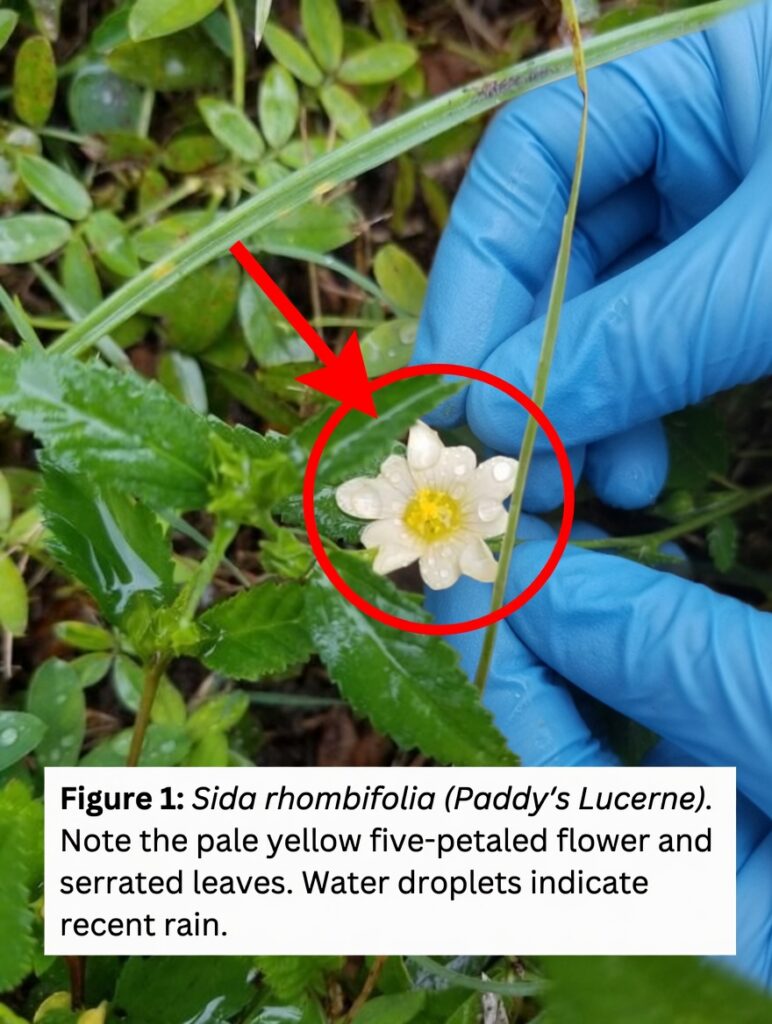
Sida Acuta (Wireweed): Traditional Uses, Benefits, and Safe Ways to Use It
Sida acuta, commonly known as wireweed or common sida, is a small but highly regarded medicinal plant used in traditional healing for generations. It grows widely across tropical climates and has played an important role in herbal practices throughout Africa, South America, and Asia.
Traditionally, people have relied on Sida acuta for many everyday health concerns—especially respiratory complaints, minor wounds, and skin issues—thanks to its diverse mix of naturally occurring plant compounds.
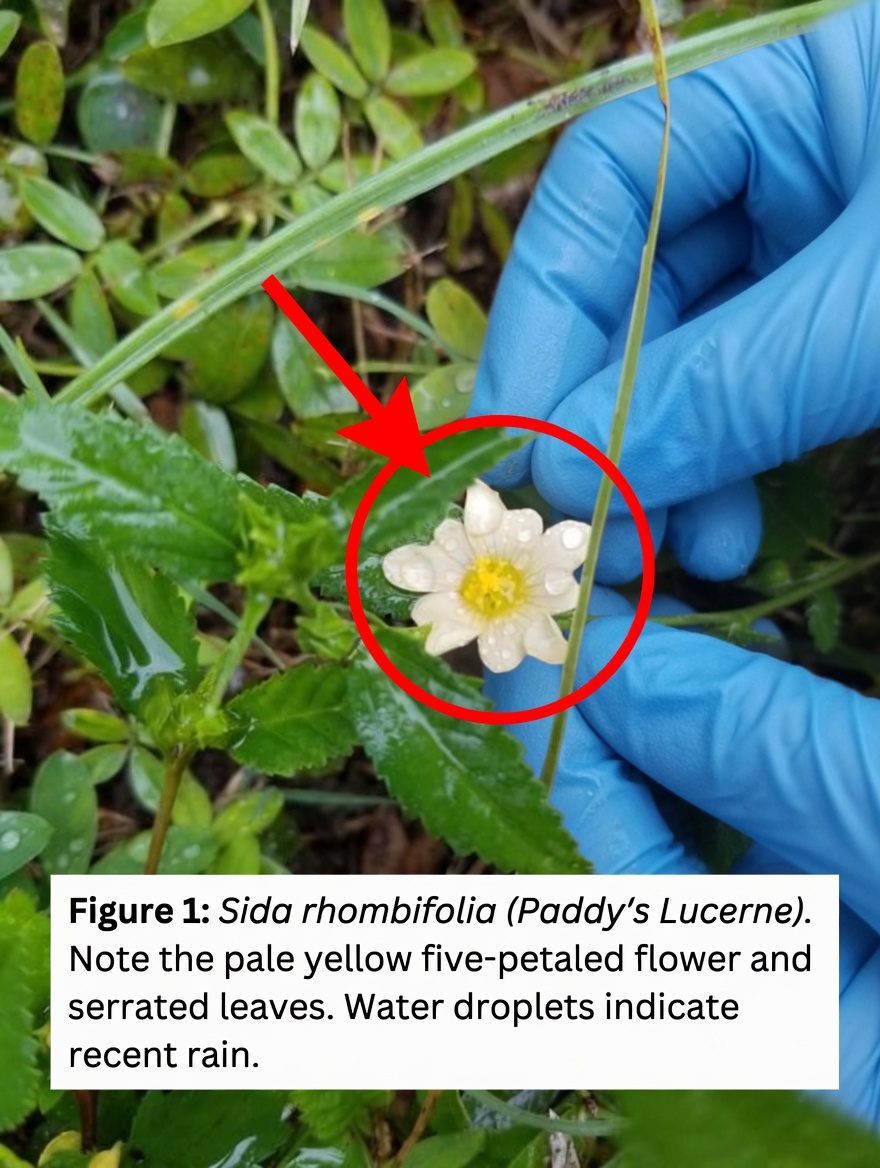
In this guide, you’ll learn about the best-known health benefits of Sida acuta, how it is commonly prepared, and key safety points to keep in mind.
1. Antimicrobial Support (Bacteria and Fungi)
Sida acuta contains plant compounds such as alkaloids and flavonoids, which may help limit the growth of certain microbes. This is one reason it has been used traditionally for wounds, minor cuts, and skin infections.
Research on Sida acuta extracts suggests potential activity against bacteria including E. coli and Staphylococcus aureus, pointing to possible value as a natural antimicrobial option in supportive care.

2. Anti-Inflammatory Effects for Swelling and Discomfort
Another widely cited use of Sida acuta is for inflammation-related discomfort, ranging from sore joints to irritated skin. In traditional medicine, it has often been used to help reduce swelling, redness, and pain, particularly in conditions similar to arthritis or inflammatory skin problems.
Scientific findings have also indicated that Sida acuta may influence inflammatory processes in the body, which could help explain its long-standing reputation for easing inflammation.
3. Antioxidant Activity for Cellular Protection
Antioxidants help defend the body against free-radical damage, which is associated with long-term health risks. Sida acuta is known to contain antioxidant compounds, including flavonoids and phenolic acids.
These substances may support overall wellness by helping neutralize oxidative stress and contributing to immune support and general cellular protection.
4. Traditional Respiratory Benefits (Cough, Congestion, and Irritated Airways)
Sida acuta has a history of use for respiratory concerns such as coughs, asthma-like symptoms, and bronchitis. In many traditional systems, it is prepared as a tea or tincture to help soothe the airways and support clearer breathing.
While experiences vary, its continued traditional use highlights its role as a common herbal option for managing persistent cough and congestion.
5. Pain Relief and Analgesic Potential
In folk medicine, Sida acuta has been used to ease several types of pain, including:
- Headaches
- Toothaches
- Menstrual discomfort
Leaves may be applied externally or prepared as a poultice to target localized pain. Some studies suggest its active compounds may affect pain signaling pathways, which could help explain its traditional use as a natural analgesic.

6. Other Reported Traditional Uses
Beyond its primary uses, Sida acuta is sometimes used in traditional practice for additional support, including:
- Digestive comfort, where it may help settle mild stomach upset and support gut function
- Fever support, as it is sometimes taken as a mild traditional antipyretic
How to Use Sida Acuta
Common preparation methods include:
- Tea (infusion): Steep a small amount of dried leaves in hot water for 10–15 minutes. This is often used for respiratory comfort or as a gentle digestive aid.
- Tincture: Alcohol-based extracts are concentrated and typically taken in small amounts, often around 5–10 drops, depending on the product and guidance.
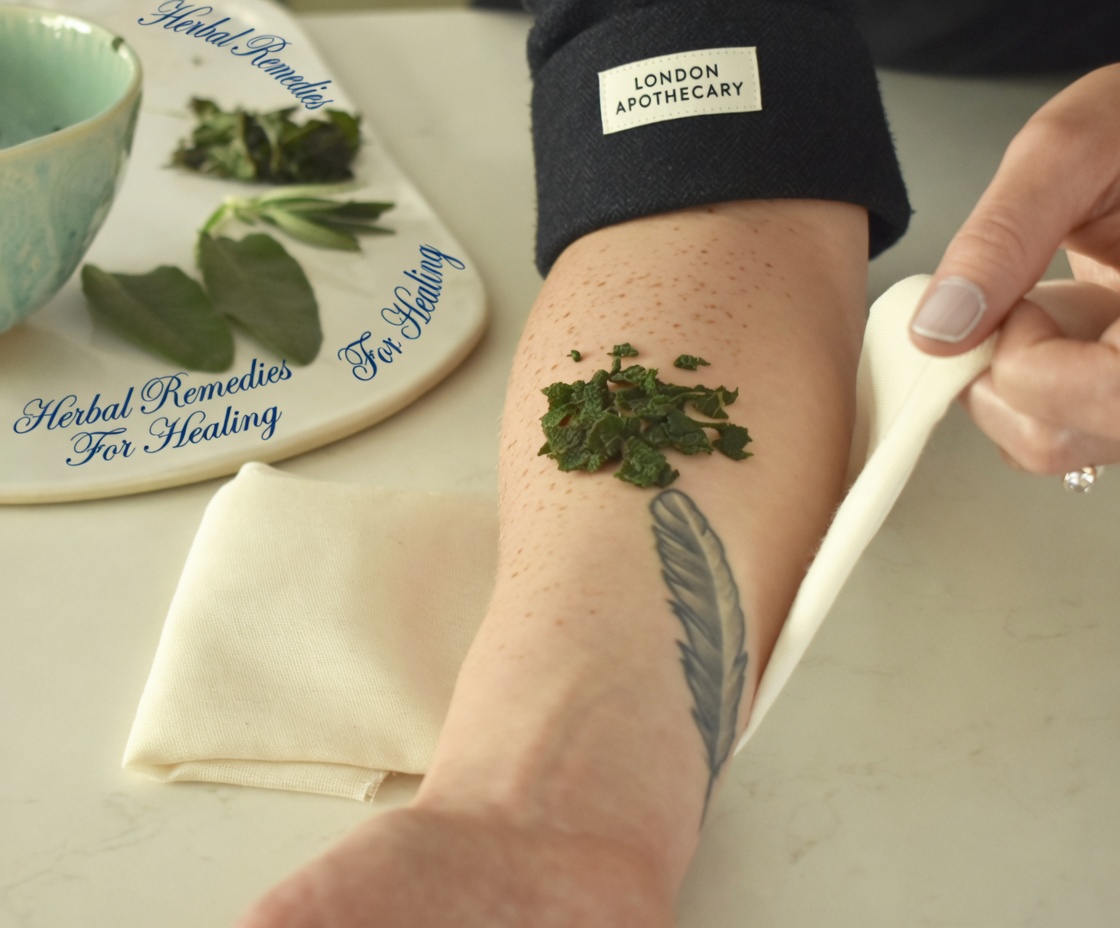
- Poultice (topical use): Crush fresh leaves and apply directly to the affected area for localized skin support or pain relief.
Safety, Side Effects, and Precautions
Although Sida acuta is widely used in traditional medicine, it may not be suitable for everyone. Possible issues include:
- Mild digestive upset in some individuals
- Allergic reactions in sensitive people
Avoid use if you are pregnant or breastfeeding, as safety in these situations is not well established.
Sida acuta may also interact with certain medications. If you take prescription drugs or have a health condition, speak with a qualified healthcare professional before using Sida acuta—especially if you plan to use it regularly or in concentrated forms like tinctures.