
Goodbye High Blood Sugar: Discover the Power of Guava
Diabetes is one of the most common chronic conditions of the 21st century, affecting millions of people worldwide. For anyone living with diabetes or prediabetes, managing blood sugar levels is a daily priority. Alongside medical treatment and lifestyle changes, nature also offers valuable support — and guava is one of those powerful allies.
This tropical fruit is not only tasty and aromatic; it also contains nutrients and compounds that may help regulate blood glucose naturally.
In this guide, you’ll learn about the health benefits of guava for diabetes and how to use it at home through simple, practical remedies.
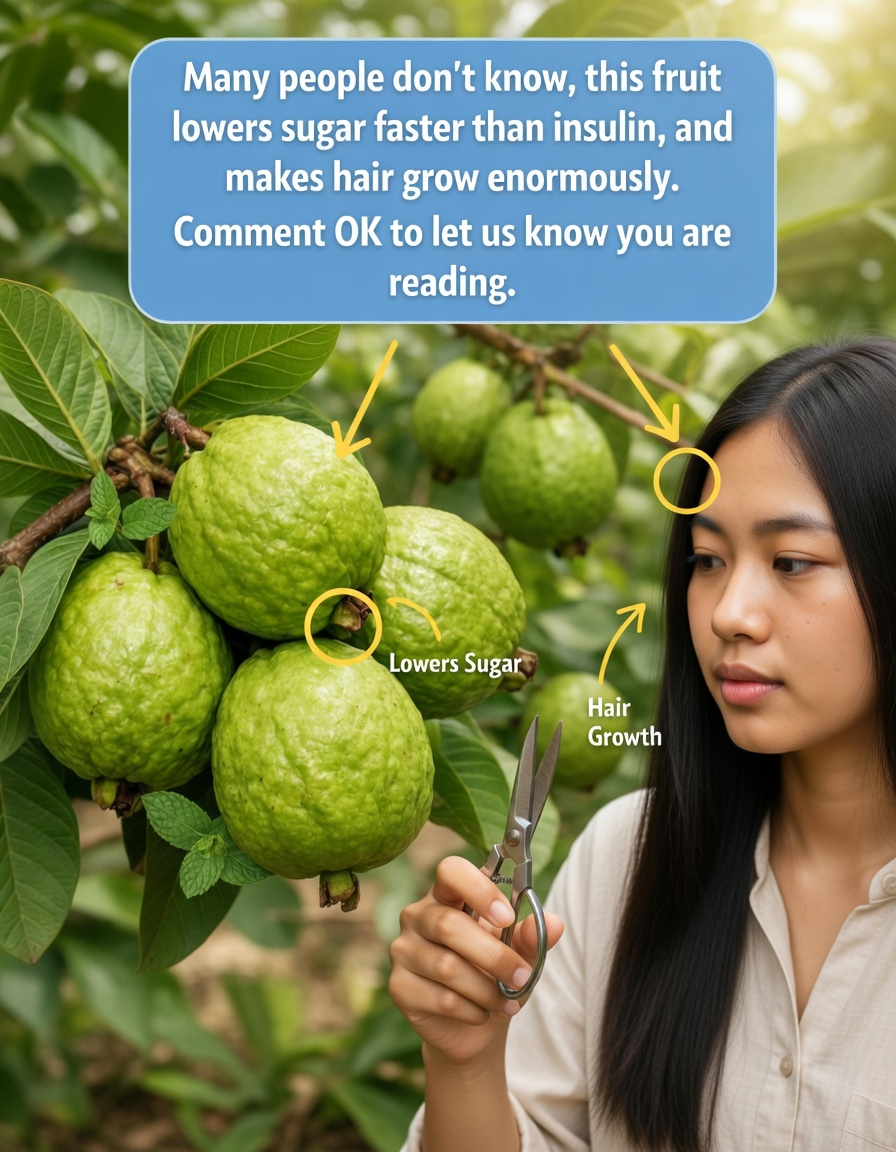
Guava: A Nutritional Powerhouse
Originally from Central and South America, guava is now enjoyed all over the world. Behind its sweet flavor lies an impressive nutritional profile that makes it especially interesting for people seeking better blood sugar control:
- Exceptional source of vitamin C (up to five times more than oranges)
- High in dietary fiber
- Rich in antioxidants such as flavonoids and carotenoids
- Low in calories and has a low glycemic index
- Provides essential minerals, including potassium, magnesium, and iron
Thanks to this combination, guava can help stabilize blood sugar, reduce sudden spikes in glucose, and support the overall health of the pancreas.
Key Benefits of Guava for Diabetes Management
Regular, moderate consumption of guava can offer several advantages for people with diabetes or at risk of developing it.
-
Helps regulate blood sugar levels
The fiber in guava slows down the absorption of sugars in the intestines. This helps prevent sharp increases in blood glucose after meals. -
Supports insulin production
Its antioxidant compounds help protect pancreatic beta cells, which are responsible for producing insulin. -
Improves insulin sensitivity
Polyphenols found in guava may help the body use insulin more efficiently, which is essential for maintaining balanced blood sugar. -
Lowers cholesterol and triglycerides
Guava may contribute to reducing LDL (“bad”) cholesterol and triglycerides, promoting better heart and vascular health — a key concern for people with diabetes. -
Helps prevent diabetes-related complications
By combating oxidative stress and cellular damage, guava supports the protection of sensitive organs such as the eyes, kidneys, and nervous system.
Home Remedies with Guava for Blood Sugar Control
Below are some simple ways to include guava in your daily routine to support glucose management. These remedies are not a substitute for medical treatment but can complement a healthy lifestyle.
1. Guava Leaf Infusion
Guava leaves are just as valuable as the fruit itself. They contain phenolic compounds that may help reduce postprandial blood sugar (the rise in glucose after eating).
Ingredients:
- 6 to 8 fresh guava leaves
- 1 liter of water
Preparation:
- Bring the water to a boil.
- Add the guava leaves.
- Let them boil for about 10 minutes.
- Strain the infusion.
- Drink one cup after each main meal.
2. Fresh Guava Juice
This is a refreshing option, ideal for breakfast or mid-morning, to help support natural blood sugar balance.
Ingredients:
- 2 ripe guavas
- 1 glass of water
- A few drops of lemon juice
Preparation:
- Wash and chop the guavas.
- Blend them with the water until smooth.
- Strain if you prefer a thinner texture.
- Add a few drops of lemon juice.
- Serve without adding sugar.
Recommendation:
Drink on an empty stomach up to three times a week.
3. Guava and Chia Seed Salad
This fiber-rich combination helps keep you full for longer and supports more stable blood sugar throughout the day.
Ingredients:
- 1 guava, diced
- 1 teaspoon chia seeds
- 1/2 green apple, chopped
- Lemon juice to taste
Preparation:
- Combine the guava and green apple pieces in a bowl.
- Add the chia seeds.
- Drizzle with lemon juice and mix well.
- Let it sit for about 10 minutes so the chia seeds can absorb liquid and swell.
Enjoy this salad as a healthy snack or light breakfast.
4. Green Guava Smoothie
A detox-style drink that supports digestion, hydration, and metabolic health.
Ingredients:
- 1 guava
- 1/2 cucumber
- 1 celery stalk
- 1 cup of water
- Lemon juice to taste
Preparation:
- Wash and chop all ingredients.
- Place them in a blender with the water.
- Blend until smooth.
- Add lemon juice if desired and serve immediately.
You can drink this smoothie on an empty stomach or as a mid-afternoon snack.
Tips to Maximize the Benefits of Guava
To make the most of guava’s properties for diabetes and blood sugar control, keep these tips in mind:
- Avoid adding sugar to juices, smoothies, or infusions.
- Combine guava with a diet low in refined carbohydrates and rich in vegetables, legumes, and whole grains.
- Maintain regular physical activity, such as walking, cycling, or any exercise suited to your condition.
- Talk to your doctor before starting any regular natural remedy if you are already taking diabetes medication or insulin.
Who Can Safely Consume Guava?
- Guava is generally safe for most people, including those with prediabetes.
- Individuals with type 1 or type 2 diabetes can usually consume guava as part of a balanced diet, in moderation.
- If you are on blood sugar–lowering drugs or insulin, monitor your glucose regularly when you increase your guava intake to avoid hypoglycemia (blood sugar dropping too low).
Always personalize your consumption according to your doctor’s or dietitian’s advice.
Conclusion
Guava is far more than a tropical treat — it is a valuable natural ally for blood sugar management. Thanks to its fiber, antioxidants, and low glycemic impact, it can support healthier glucose levels and help reduce the risk of diabetes complications.
By adding guava and guava-based home remedies to a balanced diet and active lifestyle, you take an important step toward more stable blood sugar and better overall health.
Medical Note (Important)
This article is for informational purposes only. Natural remedies can complement, but never replace, professional medical advice, diagnosis, or treatment. Always consult a healthcare professional before making changes to your diabetes management plan.