Papaya Seeds and Joint Comfort: A Gentle Daily Habit to Consider
Stiff knees when you get out of bed, a sore lower back after standing too long, or that dull ache in your spine by evening can slowly erode your freedom of movement. Over time, these everyday discomforts can make simple actions — climbing stairs, bending down, or getting up from a chair — feel harder than they should.
As this happens, many people start looking beyond their medicine cabinet and wonder whether simple, food-based habits could naturally support joint comfort and mobility.
One surprisingly overlooked option? The small black seeds tucked inside a ripe papaya — and there is an easy way to use them at home that most people never consider, which we’ll cover shortly.
Why Papaya Seeds Are Drawing Attention for Joint Support
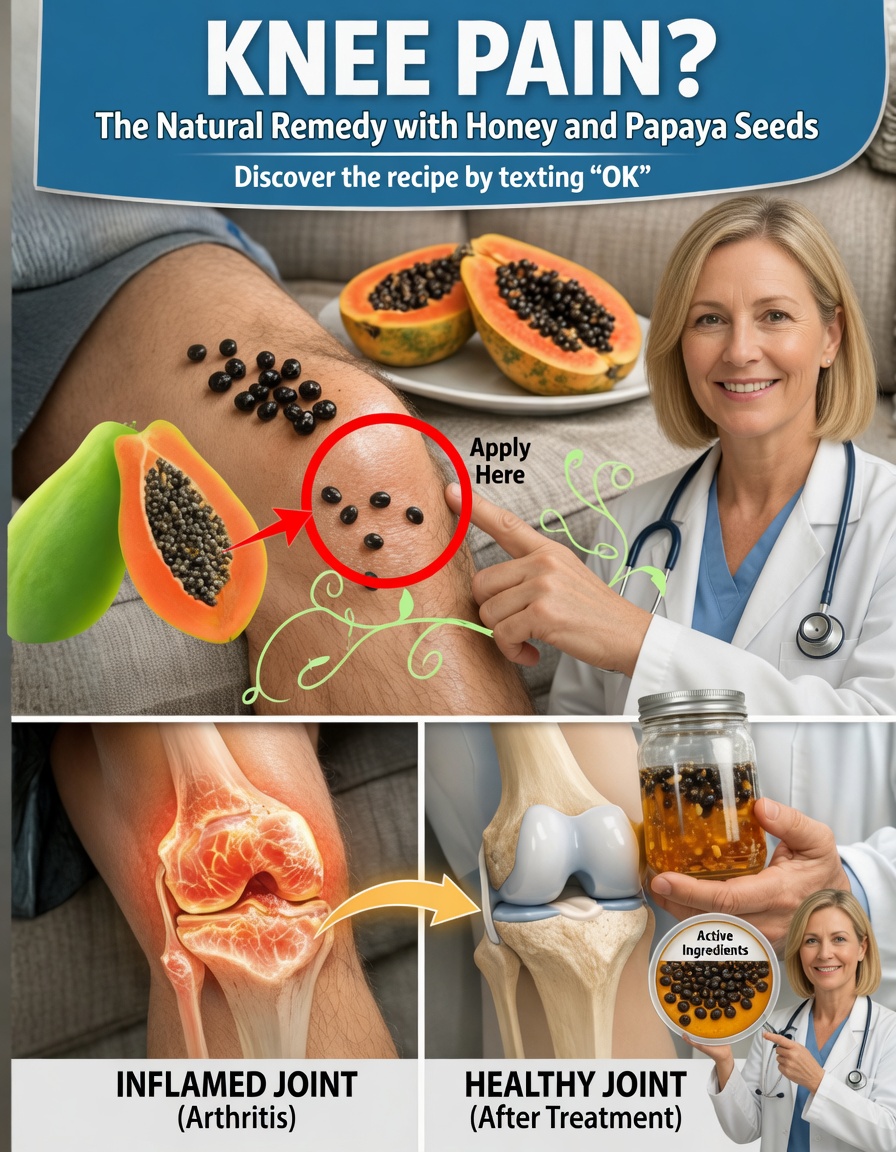
Papaya is usually appreciated for its sweet, orange flesh, but the nutritional story doesn’t end there. The seeds — often discarded — are packed with natural compounds that have been studied for decades.
Papaya seeds are a source of:
- Papain, a natural enzyme that helps break down proteins
- Polyphenols and flavonoids, plant compounds known for antioxidant activity
- Vitamin C, which supports healthy connective tissues
- Beneficial fats and fiber, helpful for overall balance and well-being
Scientific interest in papaya seeds focuses mainly on their antioxidant properties and their potential influence on certain inflammatory pathways. In laboratory and animal studies, extracts from Carica papaya seeds have shown effects on markers linked to oxidative stress and inflammatory responses.
These findings are still early and should be interpreted with caution. However, they help explain why papaya seeds have been used in some traditional wellness practices — especially as stiffness and joint discomfort become more noticeable with age.
What Research Suggests — With Caution
Antioxidant Support and Joint Comfort
Oxidative stress occurs when free radicals outnumber the body’s ability to neutralize them. Over time, this imbalance can irritate tissues and contribute to everyday aches and stiffness.
Analyses of the phytochemicals in papaya seeds indicate that they contain molecules that can neutralize certain free radicals in experimental conditions. Because antioxidants are often discussed in relation to healthy aging, joint comfort, and mobility, this has led to growing curiosity about papaya seeds as part of a supportive lifestyle.
Anti-Inflammatory Pathways Under Investigation
In some animal models, papaya seed extracts have been shown to reduce swelling in specific experimental tests. Certain alkaloids found in papaya, such as carpaine, may play a role in these effects.
However:
- Most data come from lab and animal research
- There are no large-scale human clinical trials specifically targeting knee, back, or spinal discomfort
For this reason, papaya seeds should not be viewed as a cure or primary treatment. Instead, they may be considered as a complementary habit within a broader lifestyle focused on joint health.
Why This Home Habit Is So Accessible
Unlike some specialized supplements, papaya seeds are:
- Affordable
- Widely available (inside a common fruit)
- Simple to prepare at home
You don’t need expensive equipment or drastic changes to your routine. A basic preparation method can make it easier to use them consistently in small amounts.
How to Prepare Papaya Seeds at Home
Step 1: Collect the Seeds
- Choose a ripe papaya.
- Cut it lengthwise.
- Scoop out the seeds with a spoon.
- Rinse the seeds thoroughly under cold water to remove the gel-like coating.
Step 2: Dry the Seeds
- Spread the cleaned seeds in a single layer on a plate, tray, or paper towel.
- Leave them to dry for 2–3 days in a warm, well-ventilated place, away from direct sunlight.
- Stir or shake them once a day so they dry evenly.
When properly dried, the seeds become firm and slightly crunchy.
Step 3: Grind into a Powder
- Use a coffee grinder, blender, or mortar and pestle to grind the seeds into a fine powder.
- Store the powder in an airtight glass jar.
- Keep it in a cool, dry place and aim to use it within 3–4 weeks for best freshness.
Step 4: How to Consume Papaya Seeds
Start slowly with ½ to 1 teaspoon per day and see how you feel.
You can add the powder to:
- A smoothie (expect a strong, peppery flavor)
- A salad dressing or marinade
- Warm water or herbal tea with a little honey
Some people simply chew a few dried seeds, but the taste is quite intense and similar to black pepper.
Traditional External Use: A Relaxing Ritual
In certain traditional practices, crushed papaya seeds have been mixed with a carrier oil (such as coconut oil) and applied to the skin for local comfort.
If you are curious about trying this topical approach:
- Use only a small amount of seed paste
- Mix with a gentle vegetable oil
- Apply lightly to the area of concern
- Leave on for 15–20 minutes
- Rinse thoroughly afterward
- Always perform a patch test on a small area of skin first
Scientific evidence for topical use is limited, but some people incorporate it as a soothing, relaxation-oriented ritual rather than a treatment.
Joint Comfort Depends on More Than One Habit
Papaya seeds are not a stand‑alone solution. They fit best into a balanced lifestyle that supports joint health from multiple angles, including:
- Gentle movement: walking, stretching, yoga, or swimming
- Adequate hydration: drinking enough water throughout the day
- A colorful diet: plenty of fruits, vegetables, whole grains, and healthy fats
- Quality sleep and stress management: crucial for recovery and resilience
When combined, these habits create a foundation that may help your joints feel more comfortable over time.
How Papaya Seeds Compare to Other Common Seeds
| Type of seed | Flavor profile | Key nutrients / compounds | Typical use |
|---|---|---|---|
| Papaya seeds | Peppery, strong | Papain, polyphenols, antioxidants | Occasional wellness habit, seasoning |
| Chia seeds | Mild, slightly nutty | Omega‑3s, fiber, protein | Smoothies, puddings, yogurt |
| Flaxseeds | Nutty | Lignans, fiber, ALA (omega‑3) | Baking, porridge, smoothies |
| Pumpkin seeds | Crunchy, savory | Zinc, magnesium, healthy fats | Snacks, salads, granola |
Including a variety of seeds in your diet can help support overall nutritional balance — and balance is one of the pillars of long-term joint comfort.
Key Points to Keep in Mind
- Moderation matters: Large amounts of papaya seeds may upset digestion or cause discomfort.
- Special situations: If you are pregnant, breastfeeding, or taking medications (especially blood thinners), talk to a healthcare professional before adding papaya seeds regularly.
- Listen to your body: If you notice any unusual symptoms, stop using them and seek medical advice if needed.
This approach is about curiosity and gradual support, not about instant results or quick fixes.
Conclusion
Joint discomfort rarely disappears overnight, and it is not solved by a single change. However, introducing simple, low-cost habits — such as moderate use of papaya seeds — can be an interesting step in a broader self-care routine.
These tiny seeds provide antioxidant and enzymatic compounds that align with many modern discussions on healthy aging and joint support. With minimal effort and expense, they can become a quiet yet meaningful addition to your daily habits.
Sometimes, the things we usually throw away without a second thought turn out to hold some of the most surprising possibilities.
Frequently Asked Questions
Can papaya seeds be eaten every day?
In small amounts (about ½ to 1 teaspoon daily), many people tolerate them well. It’s best to start with a lower quantity and increase slowly if needed.
Can they help with knee, back, or spine comfort?
Research points to antioxidant and anti-inflammatory potential in papaya seeds, but human studies are still limited. They should be seen as one small supportive habit, not a proven treatment for specific joint issues.
How long does it take to notice any effect?
Experiences vary widely. Some people report subtle changes in overall comfort or digestion after 2–4 weeks, especially when papaya seeds are combined with regular movement, a balanced diet, and good sleep.
Medical Disclaimer
This article is for informational purposes only and does not constitute medical advice, diagnosis, or treatment. Papaya seeds are not intended to diagnose, treat, cure, or prevent any disease.
Always consult a qualified healthcare professional before making significant changes to your diet, using new herbal or food-based remedies, or modifying any existing treatment plan.