🥕 5 Vegetables That Boost Male Fertility (For Healthier Sperm)
Male fertility is closely connected to diet. Certain vegetables are packed with vitamins, minerals, and antioxidants that support sperm production, improve motility, and enhance overall reproductive health.
Below are five vegetables commonly linked to better sperm quality, explained in a clear and SEO-friendly way.
1. Asparagus
Asparagus is a powerful source of folate (vitamin B9), a nutrient that plays a crucial role in healthy sperm development. Adequate folate intake has been associated with:
- A higher sperm count
- Better DNA stability in sperm cells
- A lower risk of abnormal sperm cells
Asparagus also contains antioxidants that help shield sperm from oxidative stress, a major factor that can damage sperm and reduce fertility.
2. Carrots
Carrots are rich in beta-carotene, which the body converts into vitamin A. This nutrient supports several aspects of male fertility, including:
- Improved sperm motility (the way sperm move)
- Better shape and structure (morphology) of sperm cells
- Support for hormonal balance, including testosterone-related functions
Research indicates that men who eat more carotenoid-rich foods like carrots may have stronger overall sperm performance and better sperm quality.
3. Spinach
Spinach is loaded with magnesium, folate, and iron, all of which are vital for male reproductive health. Regular consumption of spinach and other leafy greens can help:
- Increase sperm concentration
- Improve blood flow to the reproductive organs
- Support testosterone production
Leafy green vegetables are also known to reduce inflammation, which can negatively affect fertility if left unchecked.
4. Garlic
Garlic contains allicin, a compound well known for boosting blood circulation. Better blood flow contributes to:
- More oxygen and nutrients being delivered to the testes
- A healthier environment for sperm production
Garlic is also a good source of selenium, a key mineral for sperm motility and quality, helping sperm move more effectively and stay structurally healthy.
5. Tomatoes
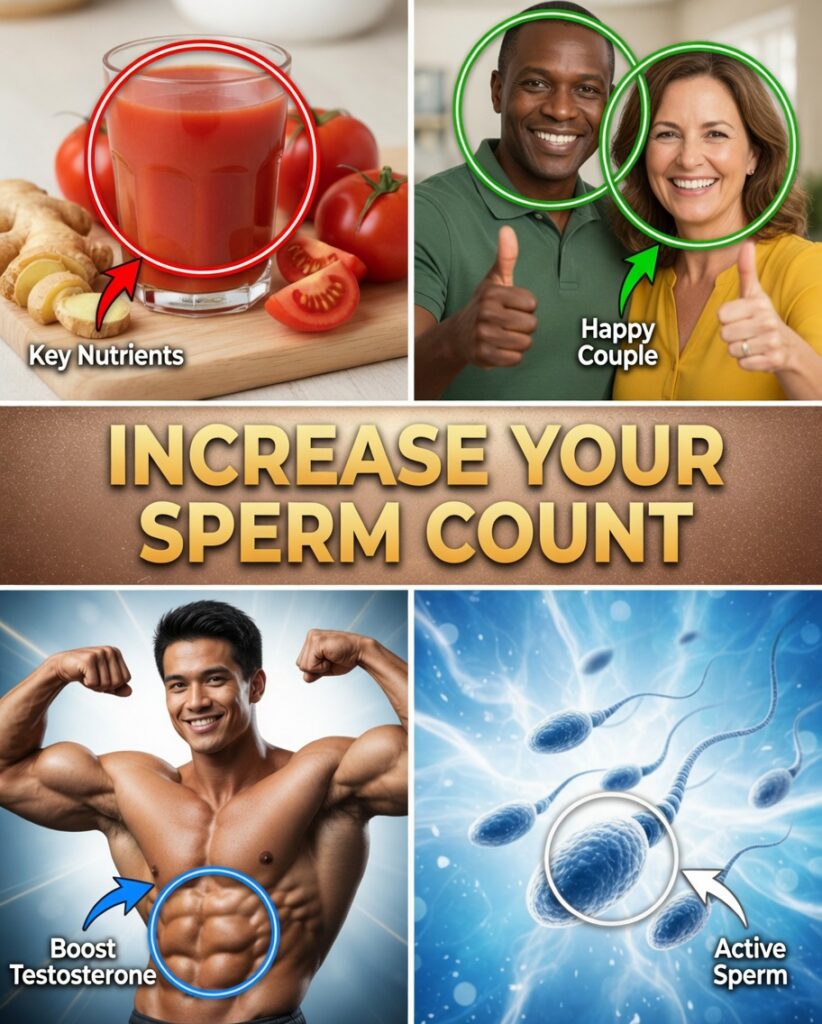
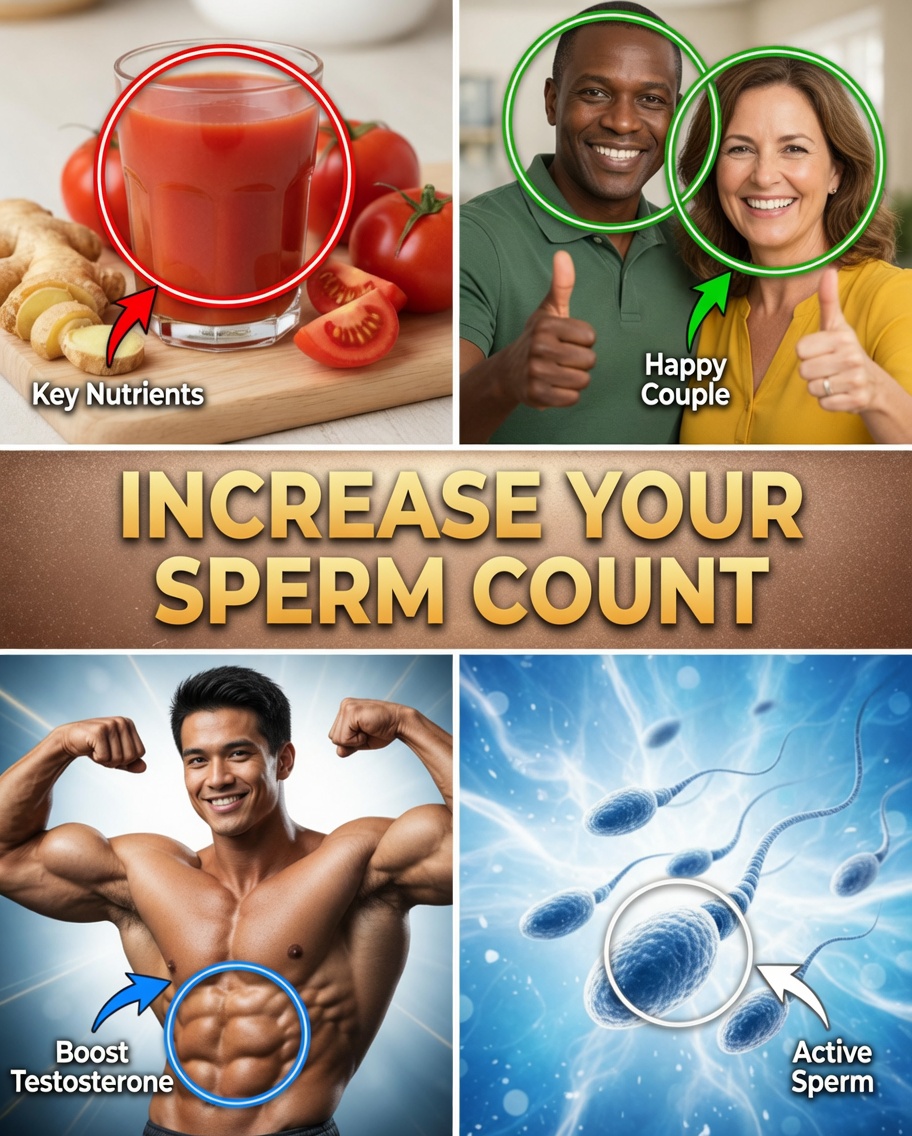
Tomatoes are one of the richest dietary sources of lycopene, a potent antioxidant linked to improved sperm health. Lycopene intake has been associated with:
- A higher sperm count
- Better sperm morphology (shape and appearance)
- Protection against DNA damage in sperm cells
Interestingly, cooked tomatoes (such as tomato sauce or tomato paste) provide lycopene in a form that is more easily absorbed than in raw tomatoes, making them particularly beneficial for male fertility.
How to Use These Vegetables for Better Fertility
To get the most out of these fertility-friendly vegetables:
- Eat them regularly, not just occasionally.
- Combine them with healthy fats (like olive oil, nuts, or avocado) to enhance nutrient absorption.
- Avoid overcooking them, except for tomatoes, which are more beneficial when cooked.
- Pair them with other healthy lifestyle habits: quality sleep, regular physical activity, and effective stress management.
Final Thoughts
Vegetables alone are not a magic cure for infertility, but a diet rich in asparagus, carrots, spinach, garlic, and tomatoes can significantly support male reproductive health. Over time, these foods help create better conditions for:
- A higher sperm count
- Improved sperm quality (motility, morphology, and DNA integrity)
- Overall enhanced fertility and reproductive wellness