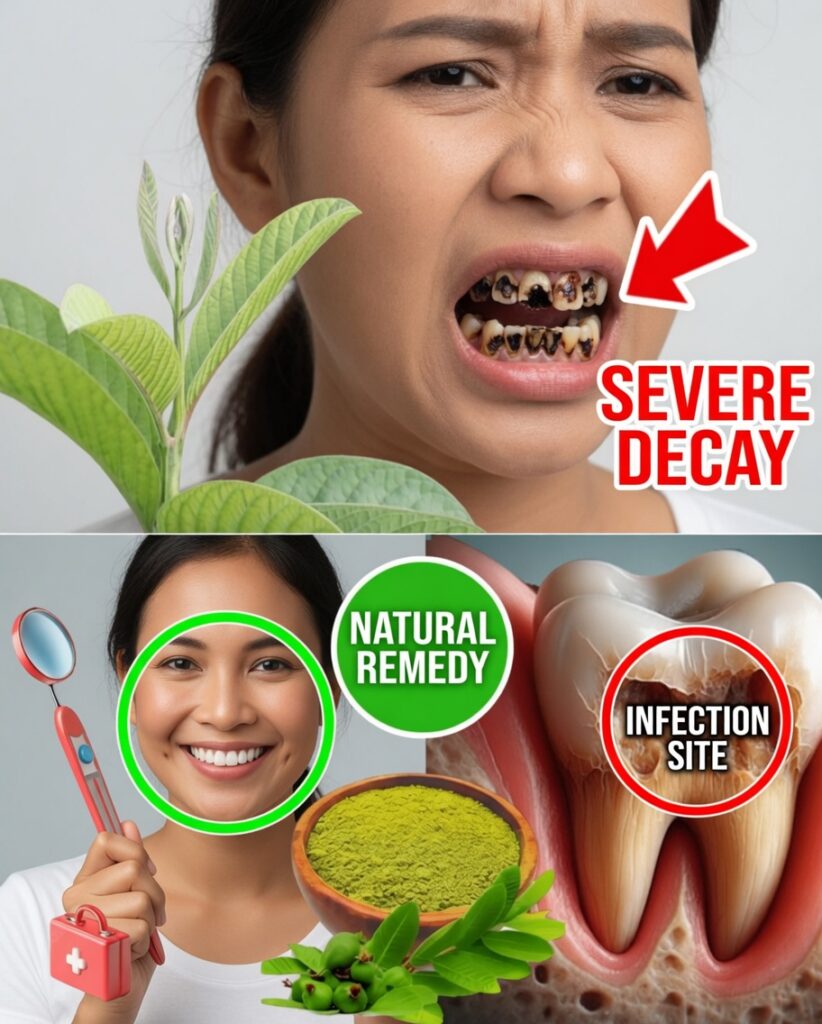
Natural Oral Care with Guava Leaves: 3 Simple At-Home Methods
Many adults deal with occasional tooth sensitivity, sore gums, or worry about plaque buildup even when they brush regularly. These concerns can make eating uncomfortable and may affect how confident you feel about your smile. On top of that, dental treatments can be costly and time-consuming.
Guava leaves have been used for generations in traditional medicine and are now attracting scientific interest for their potential role in oral hygiene. Below you’ll find three gentle, home-friendly ways to use guava leaves that are supported by traditional use and emerging research.
How Guava Leaves May Help Your Teeth and Gums
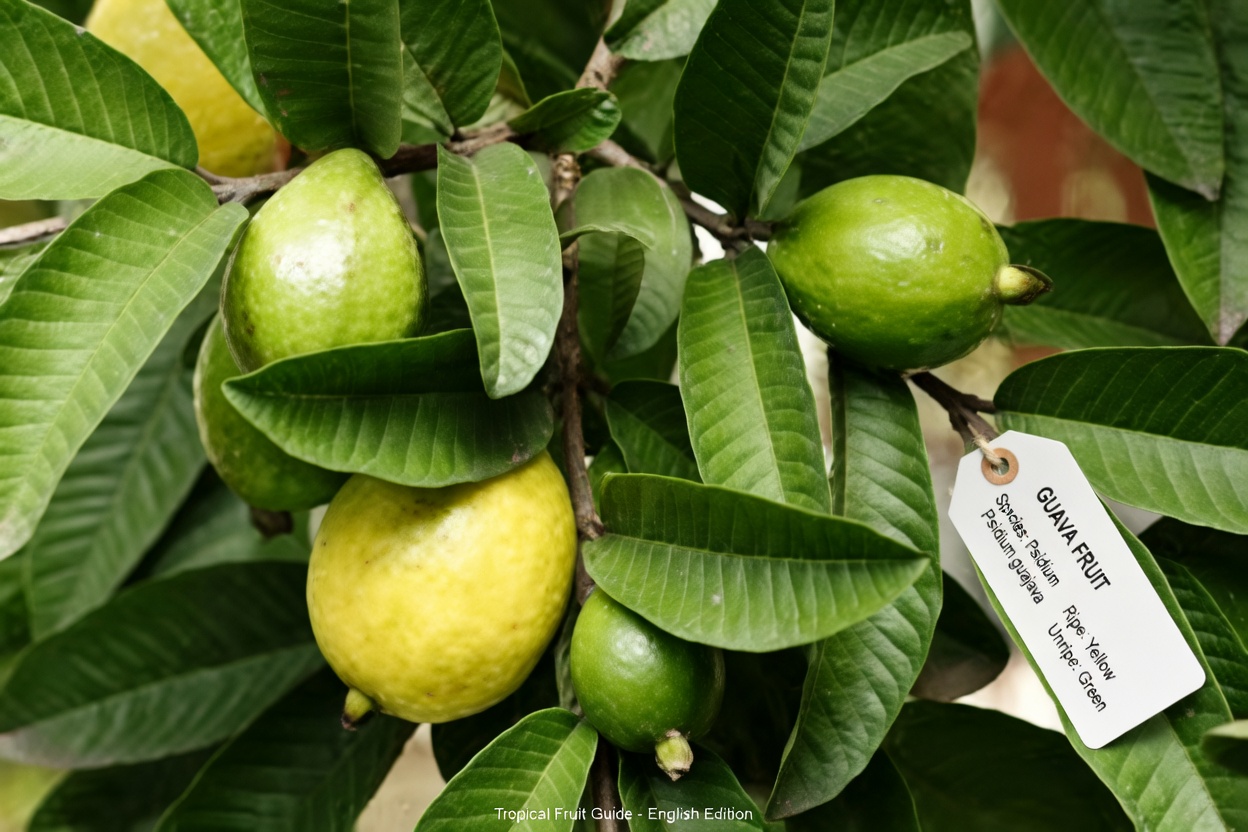
Guava leaves come from the guava tree (Psidium guajava), which grows widely in tropical and subtropical regions. The leaves are rich in flavonoids, tannins, and other plant compounds that have been studied for their antibacterial and anti-inflammatory effects, especially against bacteria found in the mouth.
Several studies—some published in dental and pharmacology journals—suggest that extracts from guava leaves can:
- Inhibit the growth of plaque-forming bacteria
- Reduce markers of gum inflammation
- Support generally healthier oral tissues when used with regular oral care
Guava leaves are not a substitute for professional dental treatment or routine brushing and flossing. However, they can be a practical, natural addition to your daily oral care routine.
They are also:
- Easy to source in many regions
- Low-cost compared with many commercial products
- Simple to prepare at home with basic kitchen tools
Method 1: Guava Leaf Mouth Rinse for Daily Freshness
Making a guava leaf mouthwash (decoction) is one of the best-studied ways to use guava leaves for oral care. Traditional remedies and clinical trials both indicate that a guava leaf rinse, used alongside brushing, may help:
- Lower plaque levels
- Soothe mild gum irritation
- Freshen breath by reducing bacterial activity
How to Prepare and Use a Guava Leaf Rinse
- Boil 5–7 fresh or dried guava leaves in 2 cups (about 500 ml) of water for 10 minutes.
- Remove from heat and allow the liquid to cool.
- Strain out the leaves and pour the liquid into a clean glass jar or bottle.
- Use about ½ cup (120 ml) as a mouth rinse, swishing for 30–60 seconds, then spit out.
- Use twice daily, ideally morning and night, after brushing.
To keep it clear, here is a quick reference:
| Step | Action | Frequency |
|---|---|---|
| Prepare | Boil leaves in water | As needed |
| Use | Swish cooled decoction | 2× per day |
| Store | Refrigerate in a jar | Up to 3 days |
Whenever possible, choose fresh, healthy-looking leaves for a stronger and more aromatic rinse.

Method 2: Chewing Fresh Guava Leaves for Direct Contact
In many cultures, people chew young guava leaves as a traditional way to care for their teeth and gums. This method offers two main benefits:
- Increased saliva production – Saliva naturally helps neutralize acids and wash away food particles and bacteria.
- Direct contact with leaf compounds – The plant compounds can reach the teeth and gums more directly during chewing.
Some reports and small studies suggest that this may offer temporary relief for minor gum or tooth discomfort.
Simple Steps to Chew Guava Leaves
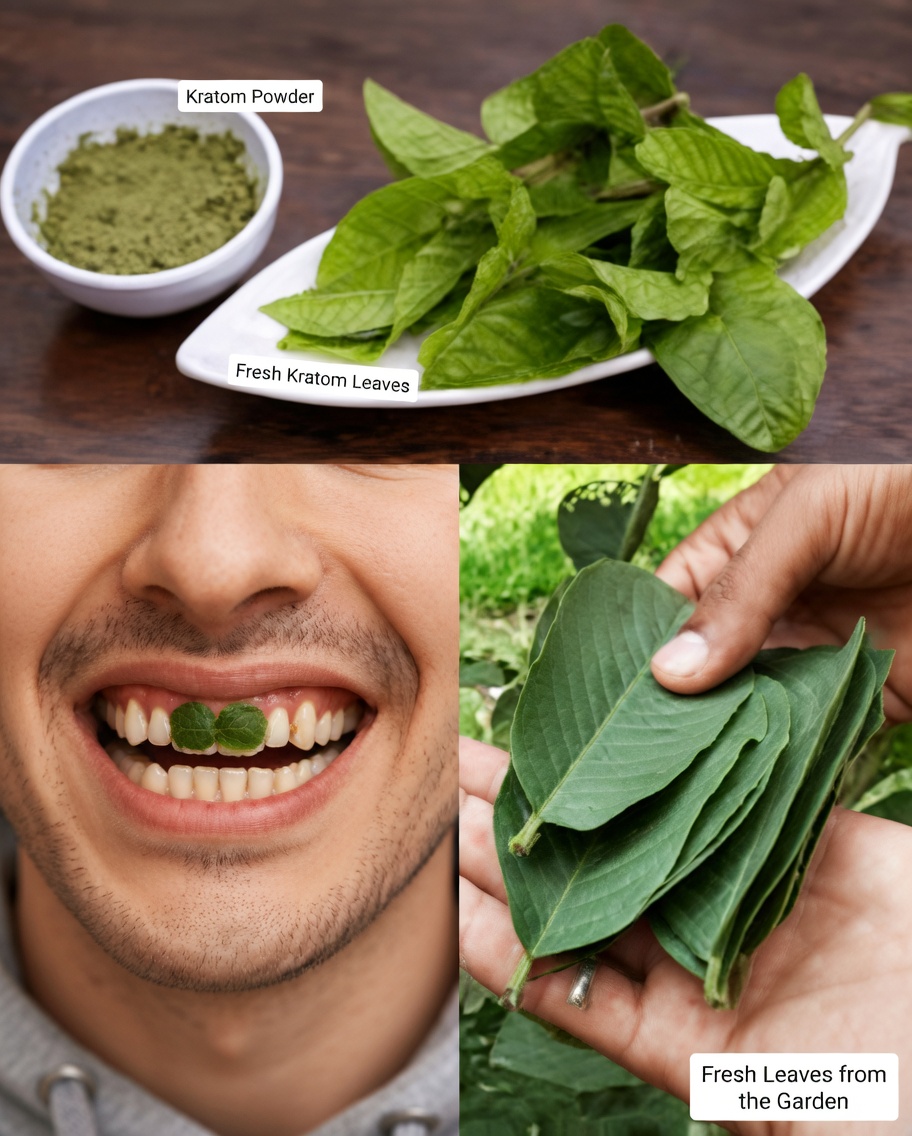
- Pick 2–3 young, tender guava leaves that are free from visible damage.
- Rinse them thoroughly under clean, running water.
- Chew the leaves slowly for 5–10 minutes, moving the chewed leaves around the mouth so different areas are covered.
- Spit out the remaining fibers; do not swallow if you’re unsure how your body reacts.
- Rinse your mouth lightly with water afterward.
You can try this once or twice daily, ideally after meals.
| Action | Duration | Tip |
|---|---|---|
| Chew leaves | 5–10 minutes | Move chewed leaves to sore areas |
| Optional salt | Occasional | A light pinch can boost freshness |
Pay attention to how your mouth feels. If you notice any irritation, stop using the leaves and consult a dental professional.
Method 3: Guava Leaf Paste for Targeted Gum Support
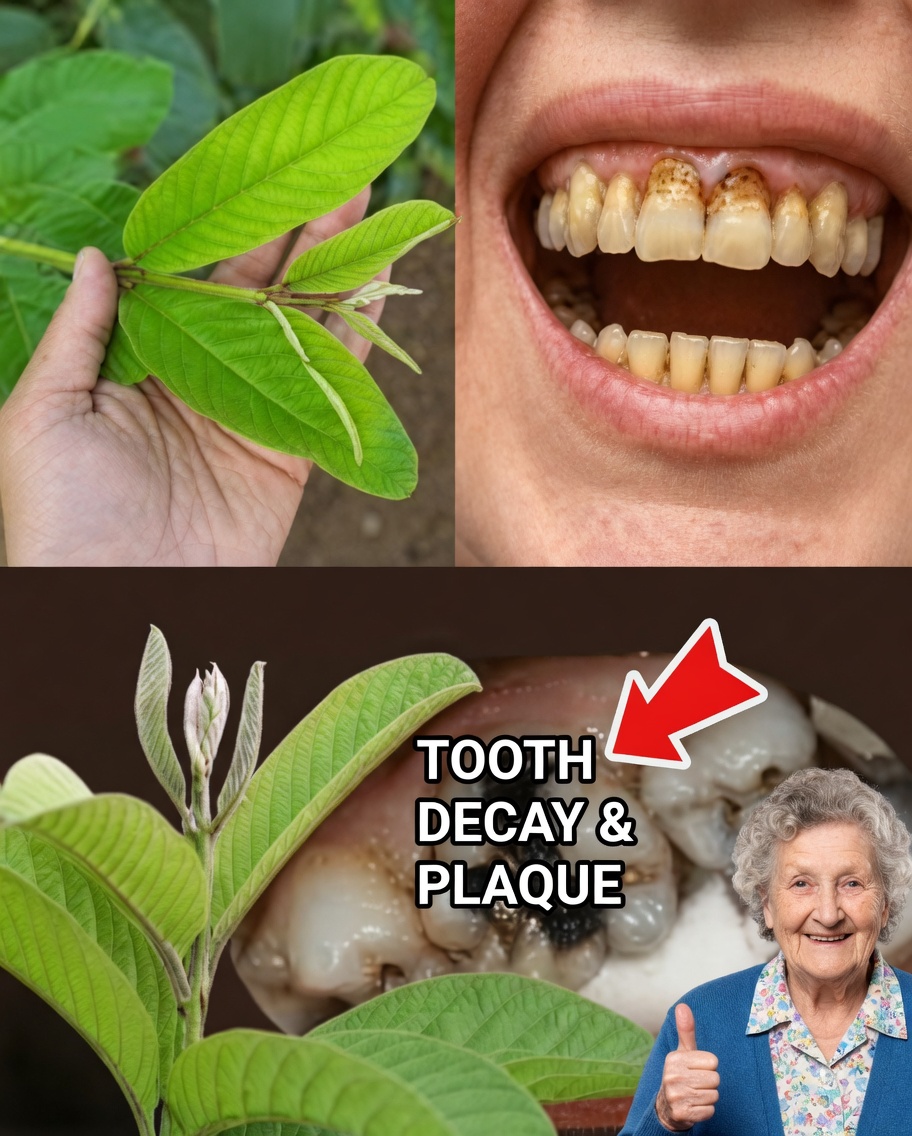
A guava leaf paste or gel allows you to focus on specific areas, such as irritated gums or spots where plaque tends to collect. Research on guava leaf–based gels has shown promising results for:
- Reducing gum inflammation
- Limiting bacterial adhesion around teeth and gum lines
This homemade version is inspired by those formulations, though it is less standardized than laboratory-made products.
How to Make and Use Guava Leaf Paste
- Dry clean guava leaves in the shade until they become crisp and brittle.
- Grind the dried leaves into a fine powder using a grinder or mortar and pestle.
- Mix about 1 teaspoon of guava leaf powder with a few drops of coconut oil (or another mild carrier oil) to form a paste.
- With clean fingers or a soft cotton swab, apply the paste gently to the gums or tooth surfaces you want to target.
- Leave on for about 5 minutes, then rinse thoroughly with water.
A quick overview:
| Ingredient | Amount | Role |
|---|---|---|
| Guava leaf powder | 1 teaspoon | Main active base |
| Coconut oil | Few drops | Binder and carrier |
| Application time | ~5 minutes | Direct local contact |
Use this method occasionally, for example a few times a week, as a spot treatment rather than a daily replacement for toothpaste.
Building a Simple Routine with Guava Leaves
To get the most from guava leaves while keeping your routine realistic, you might combine the methods like this:
- Morning and night: Use the guava leaf mouth rinse after brushing.
- After meals (once daily): Chew a few fresh leaves if available.
- As needed: Apply guava leaf paste to specific areas that feel tender or where plaque tends to accumulate.
Whichever combination you choose, regularity is essential. Guava leaves work best when used consistently alongside:
- Twice-daily brushing with fluoride toothpaste
- Daily flossing or interdental cleaning
- Routine dental checkups and professional cleanings
Practical Tips Before You Start
- Choose clean leaves: Use pesticide-free guava leaves—either freshly picked from a tree away from pollution or dried leaves from a reputable source.
- Patch test first: Try a small amount of rinse, paste, or chewed leaf to see how your mouth reacts before using regularly.
- Store carefully: Keep prepared rinses in the refrigerator and discard if they change odor, color, or develop visible growths.
- Stay well-hydrated: Drinking enough water supports saliva production, which is crucial for natural oral defense.
- Check interactions: If you take medications or have ongoing dental problems, talk with your dentist before introducing new herbal practices.
Quick Self-Check: How Is Your Oral Care Going?
Take a moment to reflect:
- How often do you notice plaque buildup, bleeding, or tenderness in your gums?
- Which guava leaf method feels easiest for you to try first—rinse, chewing, or paste?
- On a scale of 1–10, how confident are you in your current oral care routine (1 = not confident, 10 = very confident)?
Even a small, manageable change can make you feel more in control of your oral health.
Final Thoughts: Blending Nature with Modern Dentistry
Guava leaves offer a traditional, research-supported option that may help:
- Reduce plaque formation
- Calm mild gum irritation
- Naturally freshen breath
The three approaches—mouth rinse, chewing fresh leaves, and applying a leaf-based paste—are simple, affordable, and easy to try at home.
Start with one method, observe how your mouth feels over several days or weeks, and adjust as needed. Natural remedies work best when they complement, not replace, good hygiene and professional care.
Frequently Asked Questions
Are guava leaves safe for everyone to use in the mouth?
Most healthy adults tolerate guava leaves well when used in moderate amounts. However, sensitivities are possible. Begin with a small quantity and stop immediately if you notice burning, rash, or unusual discomfort. Because children may swallow the leaves or rinse, guava leaf preparations are generally not recommended for young children without professional guidance.
Can guava leaves replace toothpaste or dental visits?
No. Guava leaves are a supportive, natural addition—not a substitute—for:
- Brushing with fluoride toothpaste
- Daily flossing or interdental cleaning
- Regular dental exams and cleanings
They may help reduce plaque and support gum health, but they cannot repair cavities, treat advanced gum disease, or replace professional diagnosis and treatment.
How long does it take to notice any difference?
Results vary from person to person. Some studies have noted changes in plaque scores and gum condition within a few weeks when guava leaf products are used consistently alongside standard oral care. For home use, look for gradual improvements in:
- How clean your teeth feel
- Gum comfort
- Breath freshness
If you see no improvement—or if symptoms worsen—consult a dentist.
Safety Notice
This content is for educational purposes only and does not constitute medical or dental advice. Always consult your dentist, doctor, or qualified healthcare provider before starting any new oral care practice, especially if you:
- Have existing dental or gum disease
- Experience persistent pain, bleeding, or swelling
- Are pregnant, breastfeeding, or taking prescription medications
Professional guidance ensures that natural options like guava leaves fit safely and effectively into your overall oral health plan.