The Silent Thyroid Crisis: Why So Many People Feel Exhausted and Don’t Know Why
Up to 60% of people living with thyroid problems—especially women—are never officially diagnosed, according to large health organizations. That means millions of people wake up tired, gain or lose weight without understanding why, notice hair thinning in the shower, or feel like their whole body has slowed down… and then assume it’s “just aging” or “too much stress.”
Imagine a different morning: you get out of bed, look in the mirror, and you don’t see that puffy, drained face staring back. Your skin looks a little brighter, your energy feels more stable, and that heavy brain fog that used to define your mornings feels lighter. No miracle cure. Just consistent, small choices that support your thyroid and overall health.
Pause for a quick self-check: On a scale from 1 to 10, how often do you feel energized, mentally clear, and at ease in your body during a typical day?
(1 = totally wiped out and foggy, 10 = vibrant, focused, and balanced.)
Hold your number in mind. If it’s under 7, you’re in the sweet spot where natural thyroid-support strategies can be especially impactful. Below, you’ll find six realistic, research-informed steps, real-life examples, and some eye-opening science that many articles skip.
Why Thyroid Imbalance Feels So Personal—and So Frustrating
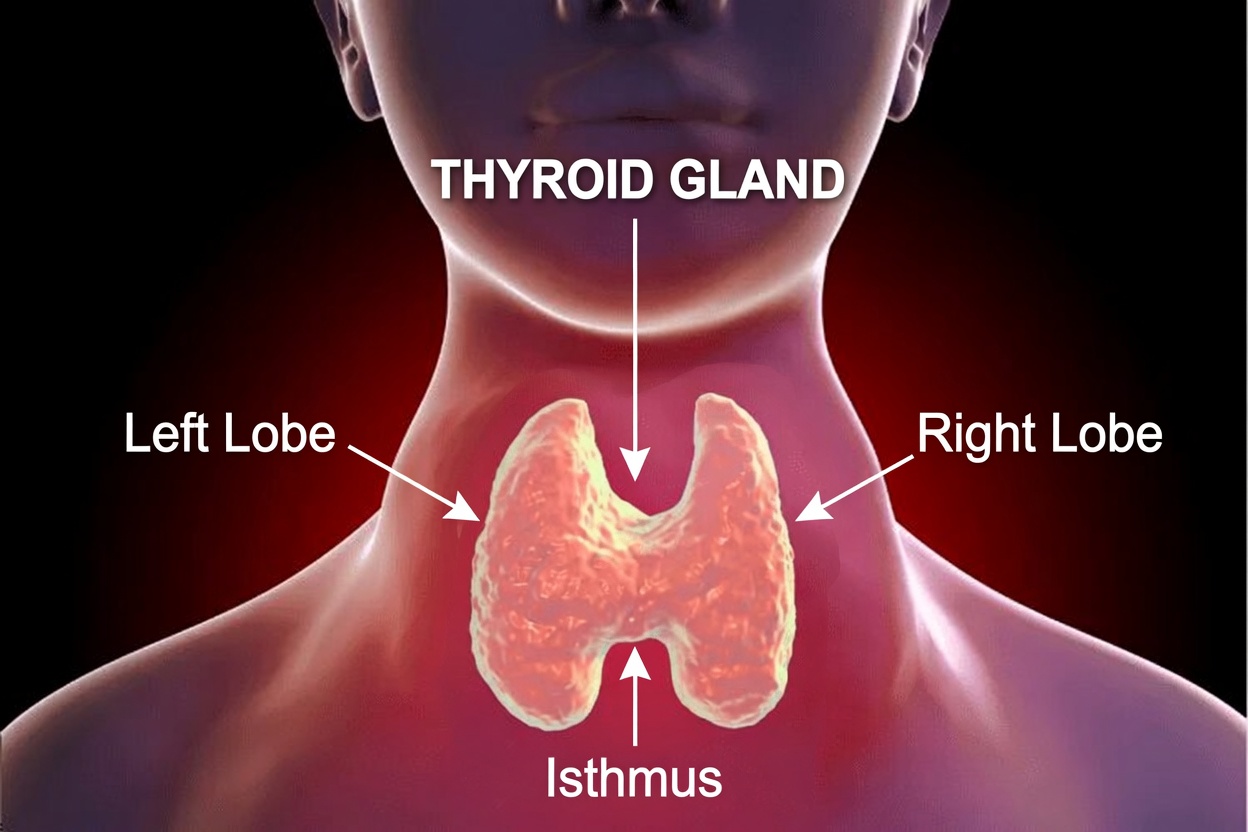
Your thyroid is a small, butterfly-shaped gland at the front of your neck, but its influence is massive. It produces hormones—mainly T4 and its more active form T3—that act like your body’s internal “speed setting.” These hormones influence:
- Metabolism and weight regulation
- Heart rate and circulation
- Body temperature
- Digestion and bowel movements
- Mood and mental clarity
- Hair, skin, and nail renewal
When your thyroid underperforms (hypothyroidism) or becomes overactive (hyperthyroidism), virtually every system in the body can feel the ripple effect.
Statistics suggest that about 1 in 8 women will develop a thyroid issue during their lifetime, with the risk rising sharply after age 35. Men are affected too, but their diagnosis often comes later because symptoms are frequently dismissed as “burnout” or “getting older.”
It’s discouraging when:
- You crash every afternoon no matter how much you sleep
- Your weight climbs or refuses to budge despite similar eating habits
- Your hair looks thinner and ends up in the shower drain more than on your head
Many people try to push through with extra coffee, intense workouts, strict diets, or over-the-counter “thyroid support” supplements—only to notice little or temporary change.
But what if the real shift doesn’t come from one more pill or extreme regimen? What if natural thyroid support is built on six simple, synergistic lifestyle changes? Let’s break them down.
Step 1: Remove Foods That Quietly Work Against Your Thyroid
Certain everyday foods can raise inflammation, interfere with iodine use, or stress thyroid hormone production and conversion.
Common culprits to cut back on or avoid:
-
Refined sugars and high-fructose corn syrup
Spike blood sugar and insulin, promote inflammation, and can worsen energy swings. -
Ultra-processed foods (packaged snacks, fast food, processed meats)
Often contain additives, unhealthy fats, and excess salt that can burden your system. -
Excessive soy products, especially unfermented (soy milk, processed soy snacks)
In large amounts, some soy compounds may inhibit thyroid peroxidase, a key enzyme needed for hormone production. -
Huge quantities of raw cruciferous vegetables (broccoli, kale, cabbage, Brussels sprouts)
These contain goitrogens, which can interfere with iodine utilization when eaten in very large amounts raw. Lightly cooking them reduces this effect. -
Gluten for some individuals, especially with Hashimoto’s or sensitivity
Emerging research links non-celiac gluten sensitivity with increased thyroid antibodies in some people with autoimmune thyroid disease.
Quick reflection: On a scale of 1–5, how often do you reach for sugary drinks or processed snacks?
(1 = almost never, 5 = multiple times per day.)
If you’re at 3 or higher, replacing even half of those choices with whole, minimally processed options can reduce your thyroid’s inflammatory burden.
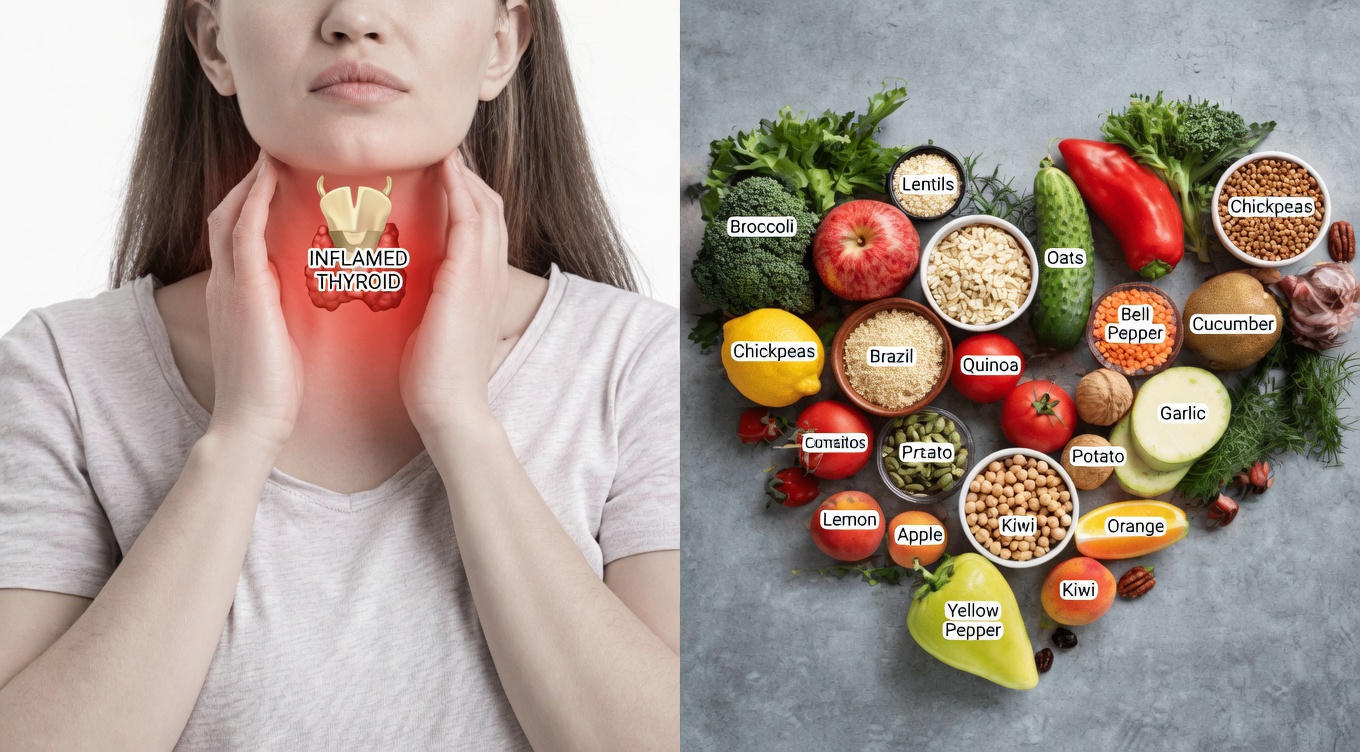
Step 2: Feed Your Thyroid the Nutrients It Needs Most
Thyroid hormones aren’t created out of thin air. Your body relies on specific vitamins and minerals to produce, convert, and regulate them effectively. Research repeatedly highlights these key nutrients:
-
Iodine (in the right amount)
Essential for thyroid hormone synthesis. Both deficiency and excess can cause problems.
Sources: seaweed (in small amounts), wild-caught fish, eggs, and moderate use of iodized salt. -
Selenium
Crucial for converting T4 into active T3 and protecting the thyroid from oxidative stress.
Sources: Brazil nuts (often 2–3 per day is enough), tuna, sardines, sunflower seeds. -
Zinc
Supports hormone production and contributes to immune balance, especially in autoimmune thyroid issues.
Sources: oysters, beef, lamb, pumpkin seeds, chickpeas. -
Iron
Low iron stores (especially low ferritin) are a common hidden reason for ongoing fatigue in people with hypothyroidism.
Sources: red meat, liver, lentils, beans, and dark leafy greens combined with vitamin C-rich foods. -
Vitamin D and B vitamins
Deficiencies are widespread globally and are associated with reduced thyroid function and low mood.
Sources: sunlight (for vitamin D), fatty fish, fortified foods, eggs, and a variety of whole grains and leafy greens for B vitamins.
Real Story: Lisa’s Small Changes, Big Results
Lisa, a 41-year-old marketing manager and mom of two, spent three years battling extreme fatigue, a stubborn 20-pound weight gain, and thinning hair. Her bloodwork showed subclinical hypothyroidism along with low selenium and low ferritin (iron stores).
What she changed:
- Started eating 2 Brazil nuts per day
- Added more zinc-rich foods like beef and pumpkin seeds
- Included seaweed snacks occasionally for iodine
- Addressed her low iron under medical guidance
Within about 8 weeks, Lisa noticed enough energy to restart gentle morning walks. By around the four-month mark, her hair shedding slowed dramatically. Her words: “I had no idea how much my nutrient gaps were draining me.”
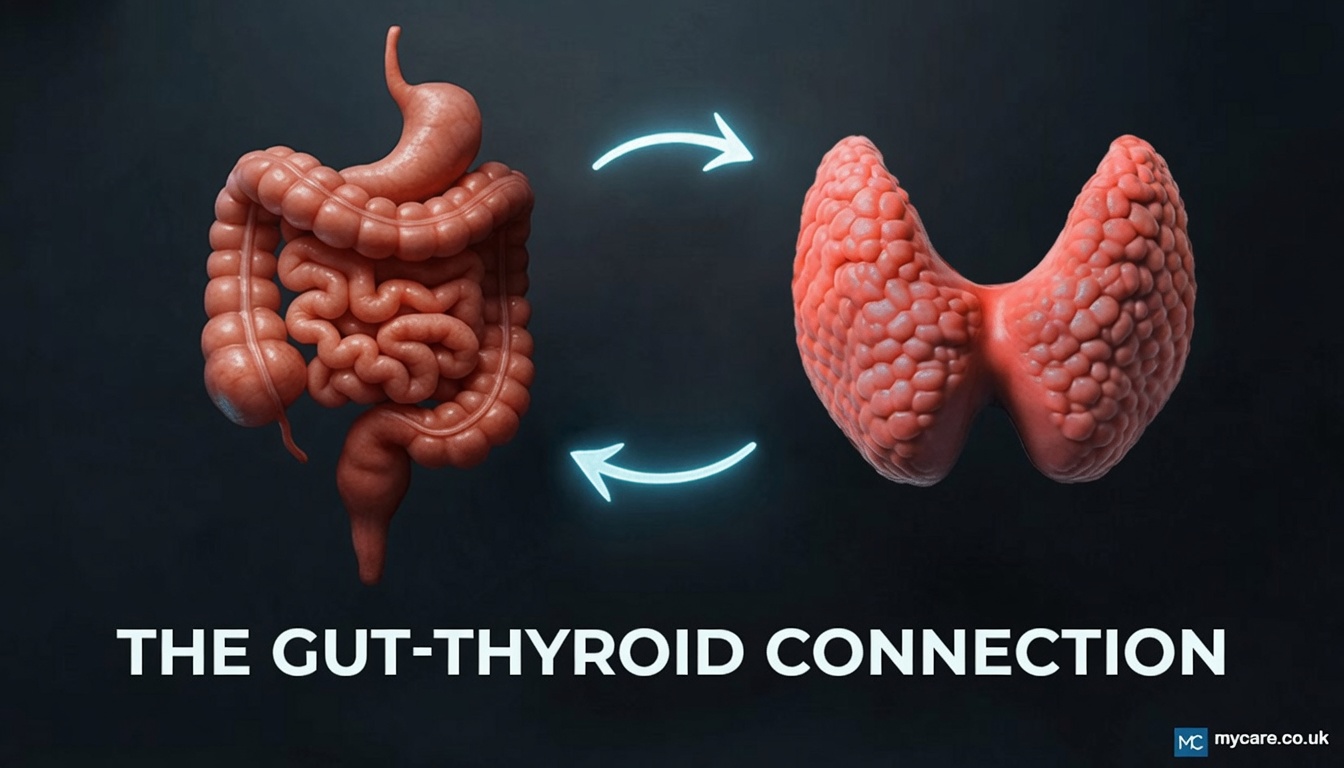
Step 3: Heal the Gut–Thyroid Connection (The Missing Link for Many)
Around 70–80% of your immune system is based in your gut. Imbalances such as leaky gut, bacterial overgrowth, or chronic low-grade inflammation can contribute to or worsen autoimmune thyroid diseases like Hashimoto’s.
Supporting gut health can indirectly support thyroid balance, especially in autoimmune cases.
Simple gut-friendly habits:
-
Increase fiber intake
Aim for about 25–35 g of fiber per day from vegetables, fruits, legumes, and whole grains (as tolerated). -
Include fermented foods regularly
Sauerkraut, kimchi, kefir, yogurt with live cultures, and other fermented foods provide beneficial bacteria that support a healthy microbiome. -
Stay well hydrated
A general guideline is to drink approximately half your body weight in ounces of water per day (adjusted for climate and activity level). -
Eat mindfully and chew thoroughly
Slowing down at mealtimes and chewing well supports digestion, nutrient absorption, and can reduce bloating and discomfort.
Bonus gut-support tip: Start your main meals with a small glass of warm water with a squeeze of lemon. It can gently stimulate digestion without overwhelming your system.
Step 4: Make Stress Management a Daily Priority
Chronic stress is one of the most underestimated thyroid disruptors. Long-term elevation of cortisol (your primary stress hormone) can:
- Suppress TSH (thyroid-stimulating hormone), which signals your thyroid to produce hormones
- Reduce the conversion of T4 into active T3
- Worsen inflammation and sleep issues, further impacting thyroid health
Practical daily stress-reduction anchors:
-
10–20 minutes of focused breathing
Techniques like box breathing (inhale for 4, hold for 4, exhale for 4, hold for 4) help calm the nervous system. -
A consistent 7–9 hours of restorative sleep
Prioritize a regular sleep schedule and a dark, cool, quiet bedroom. -
Gentle, regular movement
Walking, yoga, stretching, or light cycling can be more supportive than daily high-intensity workouts for a stressed system. -
Set boundaries and say “no” more often
Commit to declining at least one nonessential task or obligation per week to protect your energy.
If you’ve read this far, you’re already among the minority who actively invest in their own health—momentum is on your side.
Step 5: Gentle Neck Massage Around the Thyroid Area
A soft, careful massage around the base of your neck may help improve circulation in the area, ease muscle tension, and support overall relaxation—all indirectly beneficial for your thyroid and nervous system.
How to try it:
- Use a carrier oil such as coconut, jojoba, or olive oil.
- With clean hands, apply a small amount of oil to the front and sides of your neck.
- Using light, circular motions, gently massage around the lower front of the neck (where the thyroid sits), avoiding strong pressure.
- Continue for about 3–5 minutes, ideally in the evening to help you wind down.
Important: Never press hard on your neck, and avoid this practice if you have known thyroid nodules, significant swelling, or pain. Always check with your healthcare professional before trying if you have a diagnosed thyroid condition.
Step 6: The Garlic & Onion Thyroid-Support Infusion
This simple traditional-style infusion combines two sulfur-rich foods—garlic and onion—that are known for their antioxidant and anti-inflammatory properties.
Ingredients (for 1–2 days)
- 1 medium red onion, roughly chopped
- 2–3 garlic cloves, lightly crushed
- 2 cups filtered water
Method
- Bring the water to a gentle boil.
- Add the chopped onion and crushed garlic.
- Reduce heat and simmer for about 10 minutes.
- Strain the liquid, let it cool slightly, and sip warm.
- Suggested amount: about 1 cup per day, either on an empty stomach in the morning or before bed.
- Suggested rhythm: 7 days on, followed by 5 days off.
Why It May Help
Garlic and onions are rich in sulfur compounds such as allicin and quercetin. Preliminary cell and animal studies suggest these compounds:
- Support the body’s natural detoxification pathways
- Help reduce oxidative stress in endocrine tissues, including the thyroid
- Offer general immune and anti-inflammatory benefits
While this infusion is not a cure, it may be a supportive, traditional complement to a thyroid-friendly lifestyle.
Quick Thyroid Check-In Quiz
You’re now roughly halfway through these strategies. Take one minute to check in with yourself:
-
Which nutrient demands the most careful balance for thyroid health?
Answer: Iodine—both too little and too much can be problematic. -
What is your main symptom right now?
- Fatigue
- Weight or metabolism issues
- Hair or skin changes
- Mood or brain fog
-
Rate your daily energy again on a scale of 1–10.
Compare it with the number you gave yourself at the beginning of this article. Has your awareness shifted? -
Which step do you think will create the fastest noticeable change for you personally?
Circle it mentally: food changes, nutrient focus, gut support, stress reduction, gentle massage, or the garlic–onion infusion.
Awareness is the first step toward targeted action.
When Natural Thyroid Support Isn’t Enough
Lifestyle and nutrition can significantly improve how you feel, and in some cases may positively influence lab results—particularly in mild or subclinical thyroid imbalance. However, natural strategies are not a substitute for appropriate medical treatment when you have a diagnosed thyroid disorder.
Medication such as levothyroxine (for hypothyroidism) or other prescribed therapies for hyperthyroidism might still be necessary to protect your long-term health.
Who Needs Extra Caution
You should work closely with a healthcare provider if you:
- Are already taking thyroid medication (regular blood tests are essential)
- Are pregnant or breastfeeding
- Have diagnosed thyroid nodules, Graves’ disease, or Hashimoto’s thyroiditis
- Have a history of iodine sensitivity or autoimmune flare-ups
Bringing It All Together
Thyroid health is not controlled by a single supplement or secret hack. It’s shaped by a combination of what you eat, how you manage stress, the state of your gut, your nutrient status, and the daily habits that either support or strain your endocrine system.
By:
- Reducing inflammatory and disruptive foods
- Prioritizing thyroid-essential nutrients
- Supporting your gut
- Actively managing stress
- Trying gentle physical support like neck massage
- Experimenting with traditional helpers like garlic and onion infusion
…you give your thyroid—and your entire body—a better environment to function in.
You don’t have to implement all six steps at once. Choose one or two that feel most achievable this week, track how you feel, and build from there. Over time, these small, consistent shifts can add up to steadier energy, clearer thinking, and a body that feels more like your own again.