Pumpkin: A Traditional Food-Remedy for Whole-Body Health
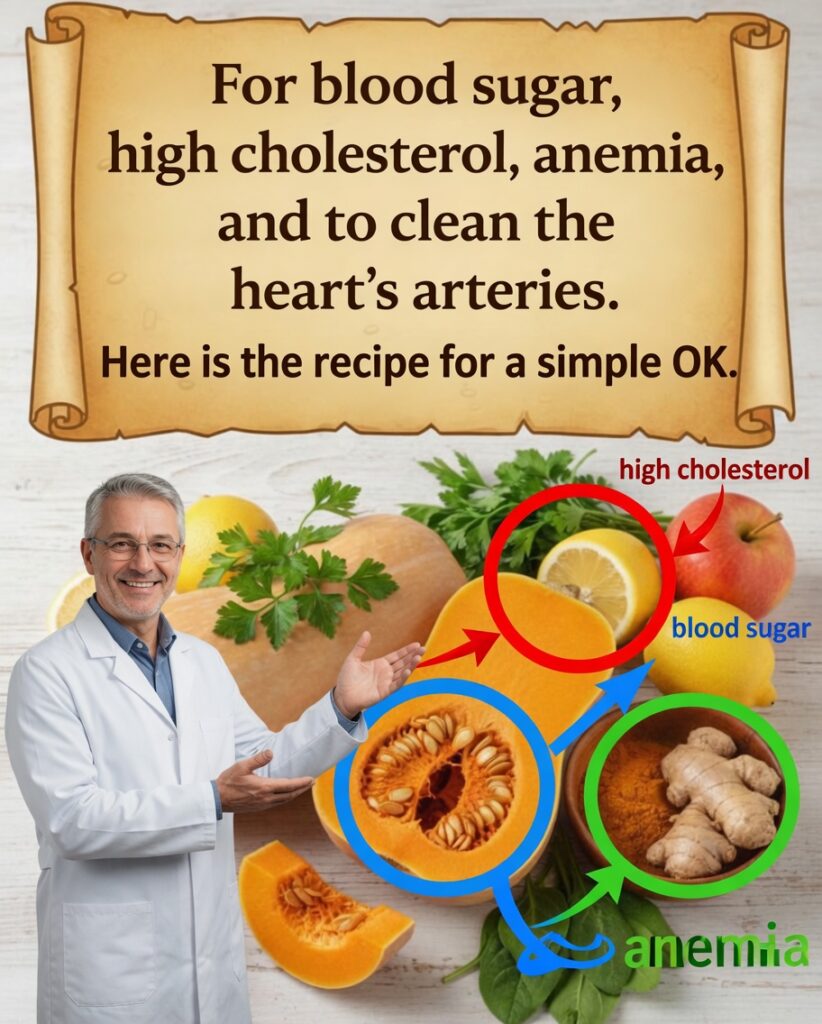
Pumpkin has been used for generations in many cultures as a nourishing food with natural healing properties. Packed with essential nutrients, it supports overall health, helps balance blood sugar and cholesterol, and promotes cardiovascular wellness.
Simple to prepare, easy to digest, and widely available, pumpkin truly deserves a regular spot in your diet.
Why Is Pumpkin So Good for You?
🎃 Pumpkin Flesh (the orange part)
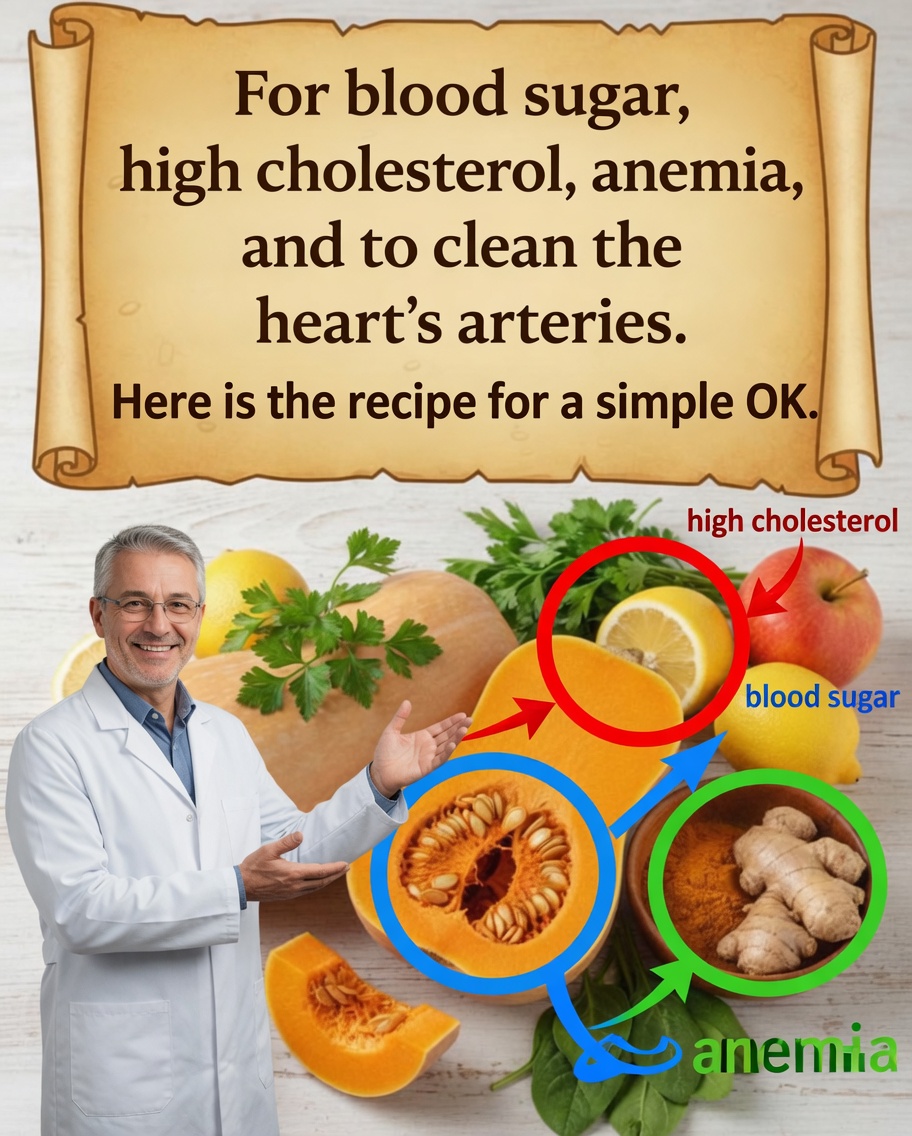
Pumpkin flesh offers a powerful combination of nutrients that support metabolic and cardiovascular health:
- High in fiber → helps stabilize blood sugar levels
- Low in calories → supportive of heart and weight management
- Rich in beta-carotene (provitamin A) → helps protect blood vessels and tissues
- May help reduce “bad” LDL cholesterol when eaten as part of a healthy diet
❤️ Pumpkin for Heart Health
Including pumpkin in your meals can support a healthy cardiovascular system:
- Improves blood circulation
- Helps support healthy blood pressure
- Provides antioxidants that protect against oxidative stress
These combined effects make pumpkin a valuable ally for heart health.
🩸 Pumpkin and Anemia-Related Fatigue
Pumpkin can be a helpful addition for people dealing with fatigue related to anemia, as part of a balanced diet:
- Contains plant-based iron
- Is rich in vitamin C, which helps improve iron absorption
- Supports the production of red blood cells when combined with other iron-rich foods
🍬 Pumpkin and Blood Sugar Balance
Thanks to its fiber content and moderate glycemic index when properly cooked, pumpkin can support healthy blood sugar regulation:
- Slows down the absorption of sugar into the bloodstream
- Helps reduce blood sugar spikes after meals
- Promotes more stable energy levels throughout the day
It is especially useful for people who want to better manage their blood sugar.
✅ Gentle Traditional Pumpkin Recipe
🥣 Nourishing Pumpkin Purée
A simple, soothing way to enjoy pumpkin and its benefits.
Ingredients:
- 250 g of pumpkin 🎃
- 1 glass of water
- 1 pinch of cinnamon or cumin (optional)
- 1 teaspoon of olive oil (optional)
Preparation:
- Cut the pumpkin into pieces.
- Steam or boil until soft and tender.
- Mash or blend into a smooth purée.
- Add the spice and olive oil if desired.
- Enjoy warm.
How often to eat it?
Aim for 3 to 4 times per week, as a side dish or a light evening meal.
🌰 Bonus: Pumpkin Seeds
Pumpkin seeds are just as valuable as the flesh:
- Rich in magnesium and zinc
- Support heart health
- Can help lower cholesterol
- Promote healthy blood circulation
A small handful per day is enough to benefit from their nutrients.
⚠️ Important Tips
- Avoid adding sugar to pumpkin dishes
- Choose gentle cooking methods, such as steaming or light boiling
- Pumpkin does not replace medical treatment
- Always include it as part of a varied, balanced diet
🌟 Key Takeaways
- 🎃 Traditional food-remedy with long-standing use
- ❤️ Supports heart and vascular health
- 🍬 Helps balance blood sugar levels
- 🩸 Useful against fatigue linked to anemia, within a healthy diet
- 🌿 Natural, gentle, and accessible for everyday meals
Pumpkin nourishes the body deeply and gently, offering powerful benefits without being harsh on the system.