Soursop (Graviola) and Cancer: What You Need to Know
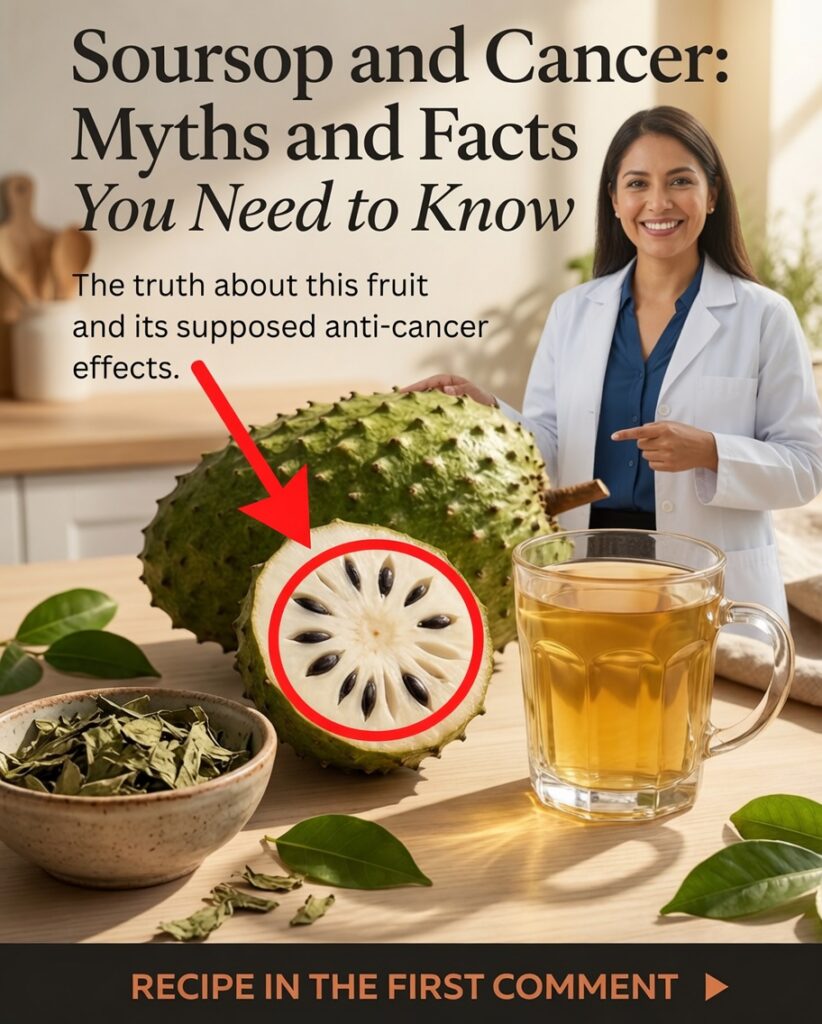
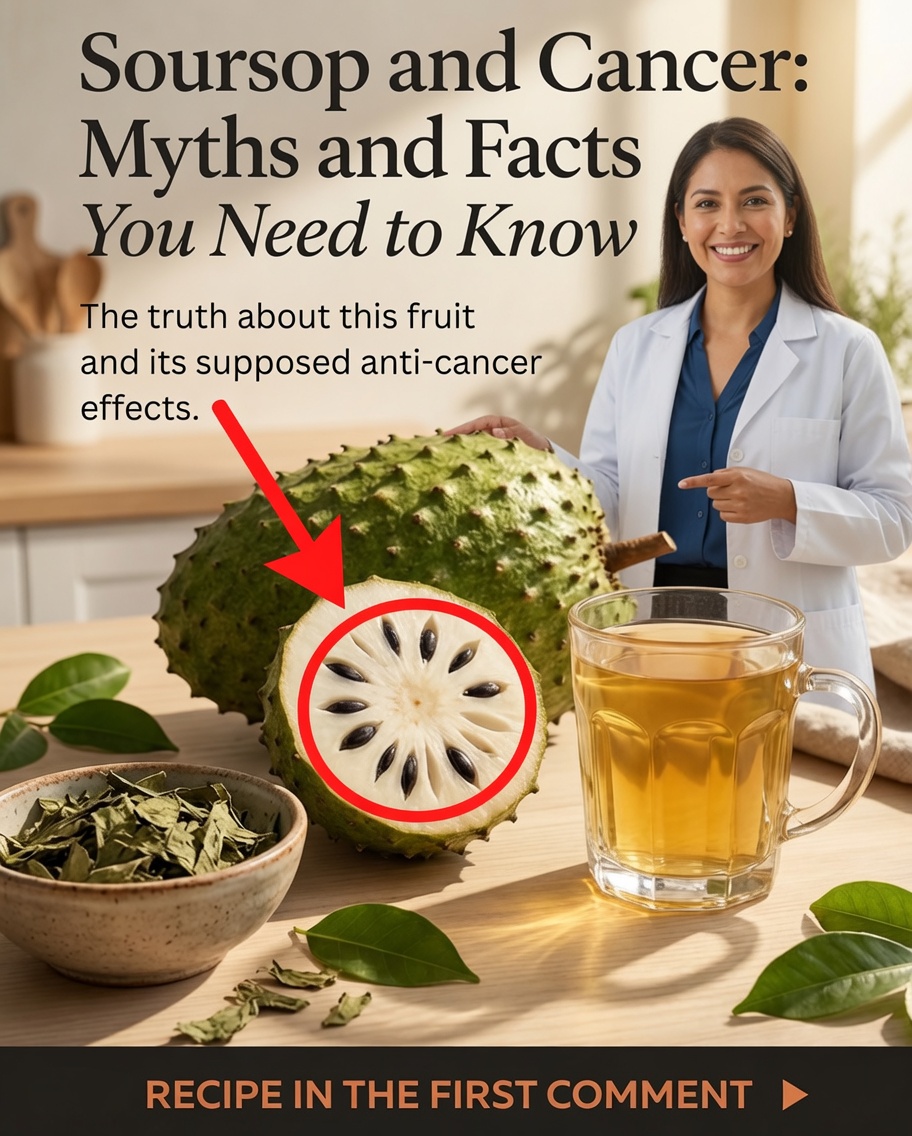
Soursop, also known as graviola (Annona muricata), is a tropical fruit widely used in traditional medicine across Africa, Latin America, and the Caribbean. In recent years, it has been promoted online as a “natural cure” for cancer.
But does soursop really treat cancer, or is this claim misleading?
Why Is Soursop Considered an Anti-Cancer Fruit?
Soursop contains natural compounds called acetogenins. Laboratory experiments (in vitro) have found that these substances can:
- Slow down the growth of certain isolated cancer cells
- Disrupt the energy production of abnormal cells
These findings are limited to test-tube studies on cells, not on actual patients.
In other words, the results come from controlled experiments in the lab, not from real-life treatments in humans.
What Does Current Science Say?
Based on the scientific evidence available today:
- ❌ There is no solid clinical trial in humans proving that soursop can cure or treat cancer
- ❌ No therapeutic dose has been scientifically established
- ❌ No major health authority (such as the WHO or recognized cancer institutes) endorses soursop as a cancer treatment
➡️ An effect seen in a petri dish does not automatically mean it works, or is safe, in the human body.
Health Risks and Side Effects to Be Aware Of
Using soursop in excessive amounts or for long periods, especially in the form of:
- Concentrated leaf preparations
- Seeds
- Strong extracts or supplements
may lead to:
- Neurological damage
- Movement disorders that resemble Parkinson’s disease
- Possible interactions with certain medications
⚠️ Soursop seeds are toxic and should never be eaten.
People with existing health issues or those taking medication should always speak with a healthcare professional before using soursop supplements or concentrated products.
Should You Completely Avoid Soursop?
Not necessarily. When used reasonably as a food, soursop can have a limited, supportive role in overall wellness.
Traditional, moderate uses may include:
- Mild digestive support
- Relaxing or calming effect
- Nutritional benefits, such as vitamin C from the fruit pulp
However:
👉 Soursop should never be used as a replacement for cancer treatment.
Eating the fruit occasionally as part of a balanced diet is very different from taking high-dose extracts claiming to treat cancer.
Essential Message
- 🌿 Soursop is not a proven treatment for cancer
- 🌿 It must not replace conventional, evidence-based medical care
- 🌿 Anyone diagnosed with cancer should follow a validated treatment plan prescribed by qualified medical professionals
Conclusion
Soursop clearly shows the contrast between:
- Traditional remedies and scientific evidence
- Popular hope and medically proven treatments
Staying informed with reliable, science-based information is one of the best ways to protect your health.