
Thyme: The Medicinal Herb Our Grandmothers Swore By
Small in size but huge in reputation, thyme is one of the oldest and most widely used medicinal plants in the world.
Commonly found in kitchens across the globe, it has also been a cornerstone of traditional remedies for breathing, digestion, and natural immunity.
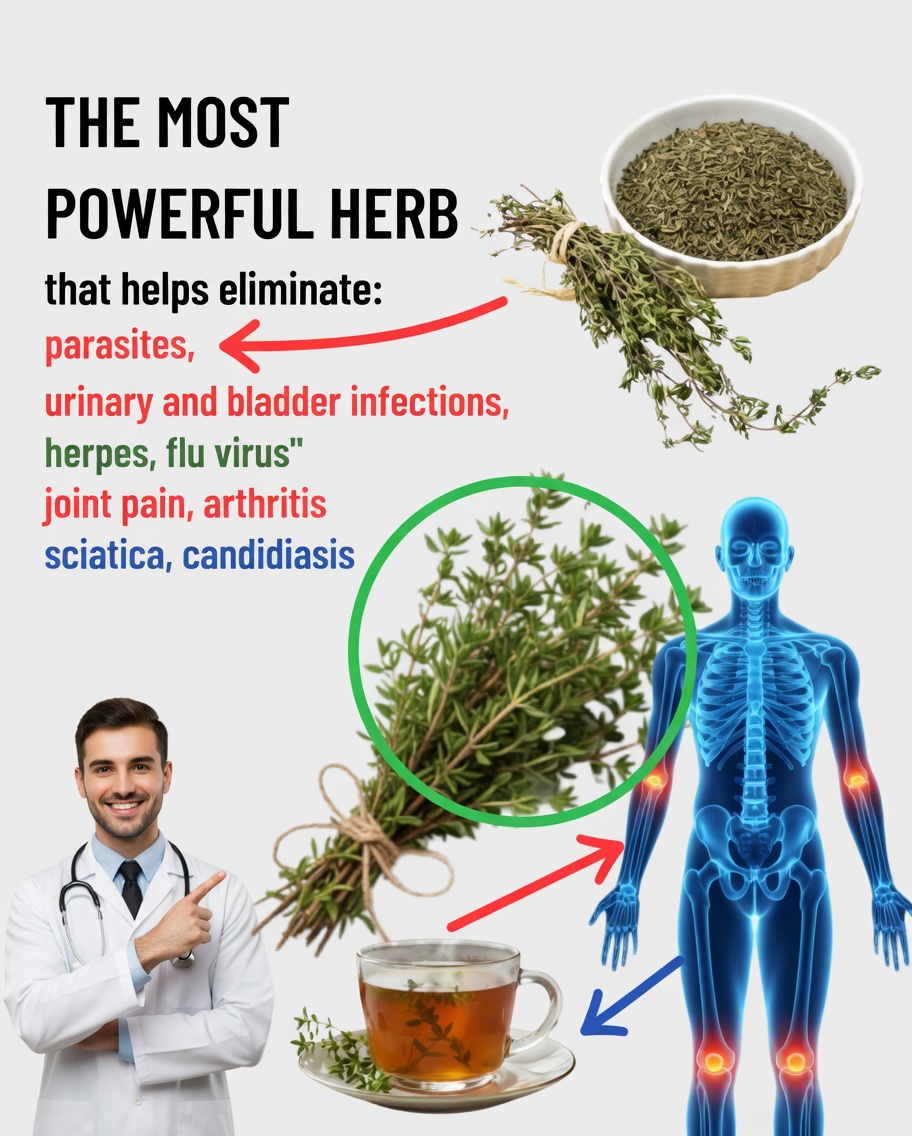
Why Is Thyme So Potent?
Thyme naturally contains a rich combination of active compounds, including:
- Thymol and carvacrol
- Flavonoids
- Antioxidants
- Essential oils
- Minerals such as iron, calcium, and magnesium
This powerful blend explains why thyme holds such an important place in herbal and traditional health practices.
35 Traditional Benefits of Thyme
These benefits come from traditional use and should not replace medical treatment.
Respiratory & Immune Support
Traditionally, thyme has been used to:
- Calm coughing
- Support bronchial health
- Help during colds and seasonal illnesses
- Soothe sore throats
- Promote clearer airways
- Support the immune system
- Ease mild asthma symptoms (traditional use)
Digestion & Intestinal Comfort
For the digestive system, thyme is known to:
- Support healthy digestion
- Reduce bloating
- Soothe intestinal spasms
- Help maintain a balanced gut flora
- Assist with mild diarrhea
- Decrease gas and intestinal discomfort
Circulation & Vitality
In traditional herbalism, thyme is also used to:
- Stimulate blood circulation
- Help combat tiredness
- Support overall energy and vitality
- Warm up the body, especially in cold weather
Nervous System & Mental Clarity
For the nervous system, thyme is believed to:
- Ease mild stress and tension
- Support focus and concentration
- Promote mental clarity
Mouth, Skin & Oral Care
Applied or used locally, thyme can:
- Help cleanse and purify the mouth
- Fight bad breath
- Support gum health
- Soothe small cuts and minor wounds
- Support the healing process
- Calm minor skin irritations
Muscles & Joints
Traditionally, thyme has been used to:
- Help relieve muscle discomfort
- Soothe joint aches
- Warm cold or stiff areas of the body
Other Traditional Uses
In folk medicine, thyme may also:
- Support women during difficult menstrual cycles
- Help the body fight mild infections
- Support liver function
- Assist in the elimination of toxins
- Be associated with longevity and resilience
- Strengthen the body during the winter months
How to Use Thyme: 3 Classic Remedies
Recipe 1: Thyme Herbal Tea (Most Popular Use)
Ingredients
- 1 teaspoon of dried thyme
- 250 ml of water
Preparation
- Bring the water to a boil.
- Remove from the heat.
- Add the thyme.
- Cover and let steep for about 10 minutes.
- Strain before drinking.
How to Use
- Drink 1 to 2 cups per day.
- Particularly helpful in winter or after meals to support digestion and comfort.
Recipe 2: Thyme and Honey Drink for the Throat
Ingredients
- 1 cup of thyme infusion (prepared as above)
- 1 teaspoon of honey
Mix the honey into the warm thyme tea and drink it lukewarm, especially in the evening to soothe the throat.
Recipe 3: Thyme Bath or Steam Inhalation
- 2 handfuls of thyme
- 1 liter of water
Instructions
- Boil the thyme in water for about 10 minutes.
- For inhalation: pour the hot preparation into a bowl and inhale the steam (keeping a safe distance).
- For a bath: strain and pour the liquid into your bathwater.
Important Precautions
- Avoid excessive consumption of thyme.
- Large quantities are not recommended for pregnant women.
- Thyme essential oil is extremely concentrated and should only be used with professional guidance.
- Thyme does not replace medical treatment or professional health advice.
In Summary
Thyme is a versatile, accessible, and powerful medicinal plant with a long history of traditional use. When used in appropriate amounts, it can support breathing, digestion, immunity, circulation, and overall vitality—making it a valuable ally in natural health routines.