The Honey Locust Tree: Benefits, Uses, and Traditional Remedies
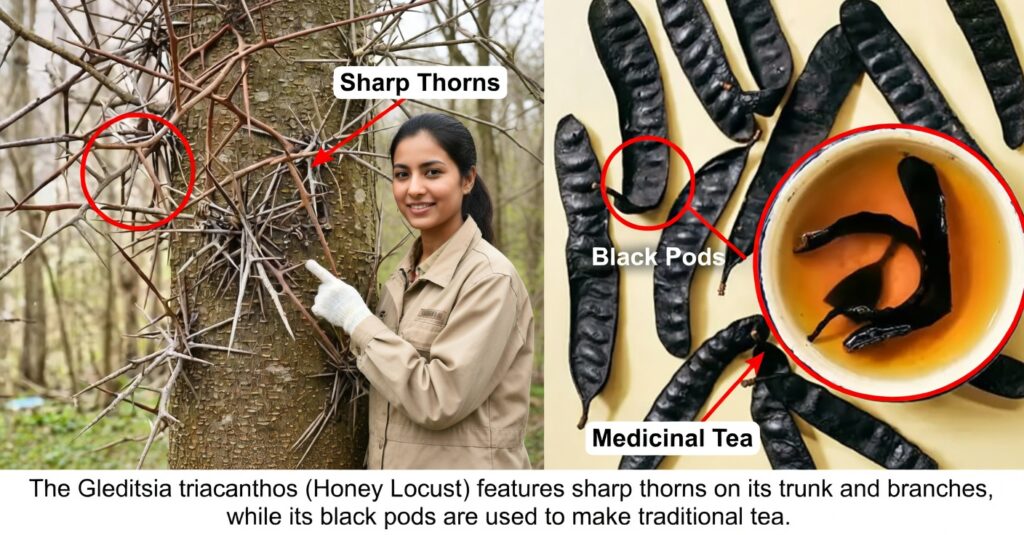
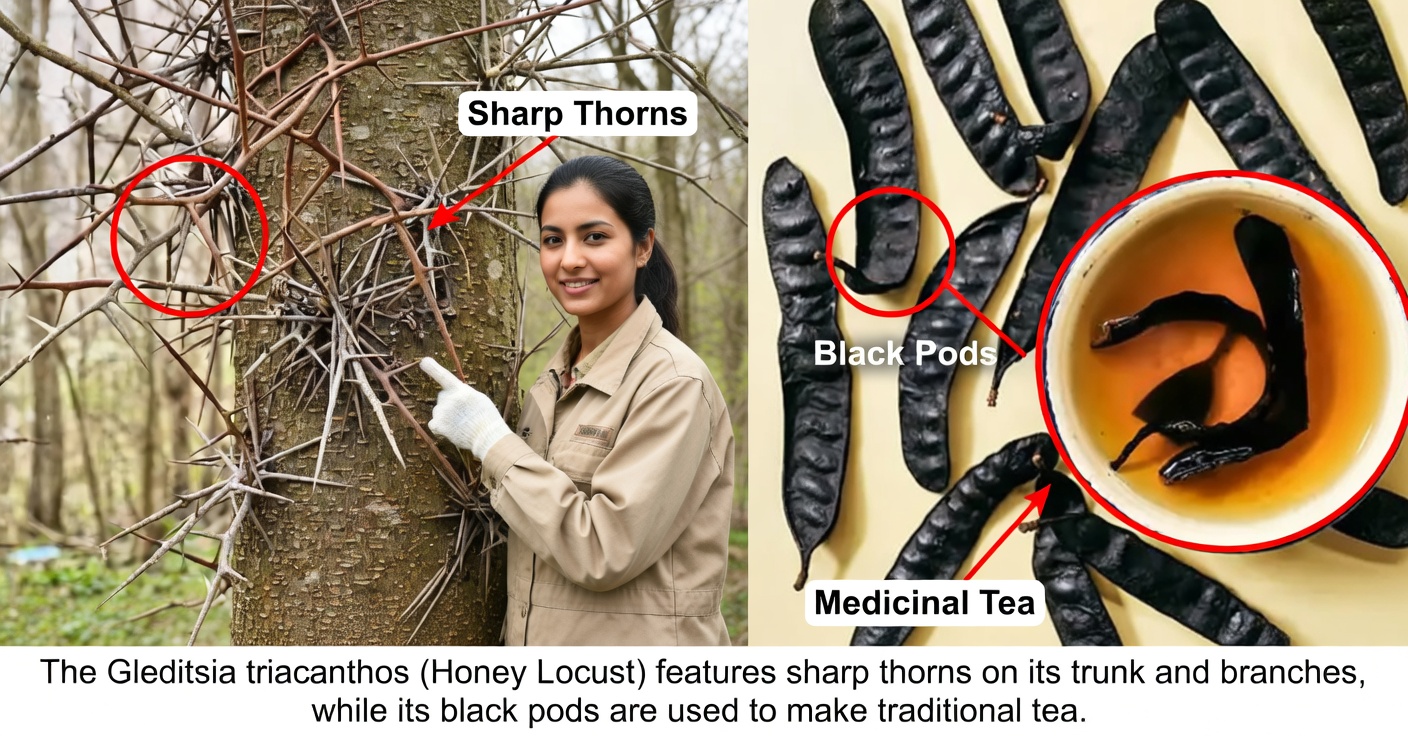
The Honey Locust tree (Gleditsia triacanthos) is easy to overlook—until you notice its formidable thorns and long, twisted seedpods. Native to North America, this resilient tree has quietly served as a source of food, medicine, natural soap, and practical tools for generations.
While many people only see a shade tree or a thorny nuisance, traditional cultures recognized that nearly every part of the Honey Locust has value. From pod to bark, seed to wood, this species is a compact survival toolkit growing right in the landscape.
Today, you can still make use of these time-tested properties at home with simple, low-tech methods. Below are the main benefits of the Honey Locust tree and practical ways to put them into action.
Key Benefits and Natural Properties of Honey Locust
Here are the core Honey Locust tree benefits, explained in straightforward terms.

1. Gentle Natural Cleansing (Saponins in the Pods)
The seedpods of Honey Locust are rich in saponins—natural plant compounds that foam lightly in water, similar to those in soap nuts. When soaked or boiled, they create a mild, soapy liquid that has long been used as a natural hair and body wash.
2. Mild Antimicrobial Action
Traditional use and some modern research suggest that extracts made from the bark and pods can exhibit light antimicrobial properties. This is one reason they were historically used to cleanse skin and support minor skin discomforts.
3. Digestive Support from the Pod Pulp
The sweet, sticky pulp found inside the pods was traditionally chewed to comfort the digestive system, especially in lean seasons when other foods were limited. It offered both gentle support and extra calories.
4. Quick Energy from Natural Sugars
The inner pulp is naturally sweet and rich in carbohydrates, making it a portable energy source. Indigenous peoples and early settlers reportedly sucked on pods while traveling, using them as a simple trail snack for fast fuel.
5. Natural Seed Gum as a Thickener
Honey Locust seeds contain gum-like compounds similar to guar gum. Once properly processed, this seed gum can act as a natural thickening agent in foods such as soups, stews, or sauces.
6. Soil-Enhancing Leaf Litter
As a member of the legume family, Honey Locust contributes to soil health. Although it is not as strong a nitrogen fixer as some other legumes, its leaf litter decomposes and enriches the soil with minerals and organic matter, improving fertility over time.
7. Exceptionally Tough, Rot-Resistant Wood
The wood of Gleditsia triacanthos is extremely dense and durable. It resists decay and has been widely used for fence posts, tool handles, stakes, and handmade implements where strength and longevity are essential.

8. Nutritious Livestock Feed
Farmers have long recognized the value of Honey Locust pods as animal feed. Their sweet flavor and high carbohydrate content make them a useful supplement or treat for livestock when properly prepared and fed in moderation.
9. Antioxidant Plant Compounds
The bark and pods contain antioxidant phytochemicals. In traditional herbal practice, they were sometimes used in teas or external washes to help the body cope with oxidative stress and support overall resilience.
10. Traditional Respiratory Support
In some folk traditions, teas made from Honey Locust bark were used to support the lungs and breathing, especially during seasonal respiratory discomfort. This use is historical and should be approached cautiously and sparingly.
Homemade Uses of the Honey Locust Tree
Below are simple, at-home Honey Locust uses based on traditional knowledge. These ideas are for educational purposes and should be used carefully and in moderation.
1. Honey Locust Natural Shampoo & Body Wash
A gentle, plant-based cleanser made from pods.
You’ll need:
- 3–5 dried Honey Locust pods
- 2 cups water
Steps:
- Break the pods into small pieces.
- Place them in a pot with the water.
- Simmer for 10–15 minutes.
- Allow the liquid to cool, then strain out the pod pieces.
- Use the resulting liquid as a mild natural shampoo or body wash.
Why it works:
The saponins released from the pods create a light, cleansing lather without harsh chemicals.

2. Honey Locust All-Purpose Cleaning Liquid
This simple preparation works well for light cleaning tasks, especially on wood or as a very mild dishwashing alternative.
Steps:
- Boil several pods in water until the liquid becomes slightly foamy.
- Let the mixture cool completely.
- Strain and store in a clean jar or bottle.
- Use for gentle surface cleaning around the home.
3. Traditional Honey Locust Digestive Tea
A historical herbal drink used occasionally for digestive support.
You’ll need:
- 1 small piece of bark or a few thoroughly cleaned pod fragments
- 2 cups hot water
Steps:
- Add the bark or pod pieces to a small pot with water.
- Simmer gently for 10–15 minutes.
- Strain the liquid.
- Sip small amounts as a mild, traditional herbal tea.
Note:
This is intended as an occasional, light herbal drink, not a daily tonic.
4. Honey Locust Seed Flour as a Natural Thickener
With careful preparation, Honey Locust seeds can be turned into a thickening powder.
Steps:
- Boil the seeds for 20–30 minutes to soften them.
- Drain and dry the seeds thoroughly.
- Grind them into a fine powder using a grinder or mortar and pestle.
- Add small amounts of the powder to soups, gravies, or sauces to thicken.
Use sparingly until you understand how much thickening power your batch provides.
5. Sweet Pod Pulp for a Quick Energy Snack
The inner pulp of the pod can be enjoyed as a simple, traditional snack.
How to use:
- Open a mature pod lengthwise.
- Scrape or bite off the sweet pulp surrounding the seeds.
- Chew the pulp for a quick burst of natural energy.
- Do not bite or swallow the hard seeds.

6. Honey Locust Thorn Crafts and Tools
The long, sharp thorns of Honey Locust can be repurposed into various traditional tools and crafts once dried.
Common uses include:
- Natural sewing or mending needles
- Decorative craft elements
- Simple fishing tools in traditional settings
Always handle and store thorns with extreme care.
7. Durable Honey Locust Wood for Tools and Structures
Thanks to its hardness and resistance to decay, Honey Locust wood is ideal for:
- Tool handles
- Walking sticks or staffs
- Garden stakes
- Long-lasting fence posts and outdoor structures
Its strength makes it a favorite for projects that demand durability and resilience.
8. Homemade Animal Feed Supplement
Dried Honey Locust pods can be used as a natural sweetener in animal feed.
Basic guidelines:
- Dry the pods thoroughly.
- Crush or break them into small pieces.
- Mix modest amounts into existing feed as an energy-rich supplement.
Important:
Prevent animals from swallowing whole, hard seeds to avoid choking risks. Introduce any new feed slowly and in moderation.
9. Honey Locust Bark Skin Wash (Traditional External Use)
Historically, a light bark decoction was used as a skin wash for minor irritation.
Steps:
- Place a small piece of bark in a pot of water.
- Boil gently for several minutes.
- Allow to cool, then strain.
- Use the cooled liquid as a gentle external wash on the skin.
Always test on a small patch of skin first to check for sensitivity.
Safety Notes and Cautions
- Thorns are extremely sharp: Use gloves and care when handling branches or pods.
- Seeds are very hard: They should not be eaten whole due to the risk of tooth damage or choking.
- Bark use should be minimal: Internal use of bark should be occasional and in small quantities.
- Skin sensitivity: Always perform a small patch test before using any homemade Honey Locust preparation on larger areas of skin.
- If you have medical conditions, are pregnant, breastfeeding, or taking medications, consult a qualified professional before using Honey Locust internally.
A Powerful, Overlooked Tree in Everyday Life
The Honey Locust tree is far more than a thorny silhouette in the landscape. It is a versatile, multi-purpose plant that has supported people and animals for centuries—with its natural cleansing properties, sweet energy-rich pods, tough wood, and gentle traditional remedies.
Whether you use it as:
- a natural shampoo,
- a mild household cleaner,
- an occasional herbal drink,
- a quick energy snack, or
- a source of durable wood and craft materials,
Honey Locust remains one of the most underrated trees in North America.
Reintroducing these traditional uses into modern life is a way to reconnect with practical, ancestral knowledge—and Honey Locust is a vivid example of how much value a “common” tree can quietly hold.