12 Powerful Foods People Over 50 Are Using to Feel Younger, Stronger, and Sharper
After age 50, the average American loses about 3–8% of muscle mass every decade if they don’t actively work to maintain it. During that same time, the risk of heart disease roughly doubles every 10 years, and nearly 1 in 2 women and 1 in 4 men over 50 will experience a fracture related to osteoporosis.
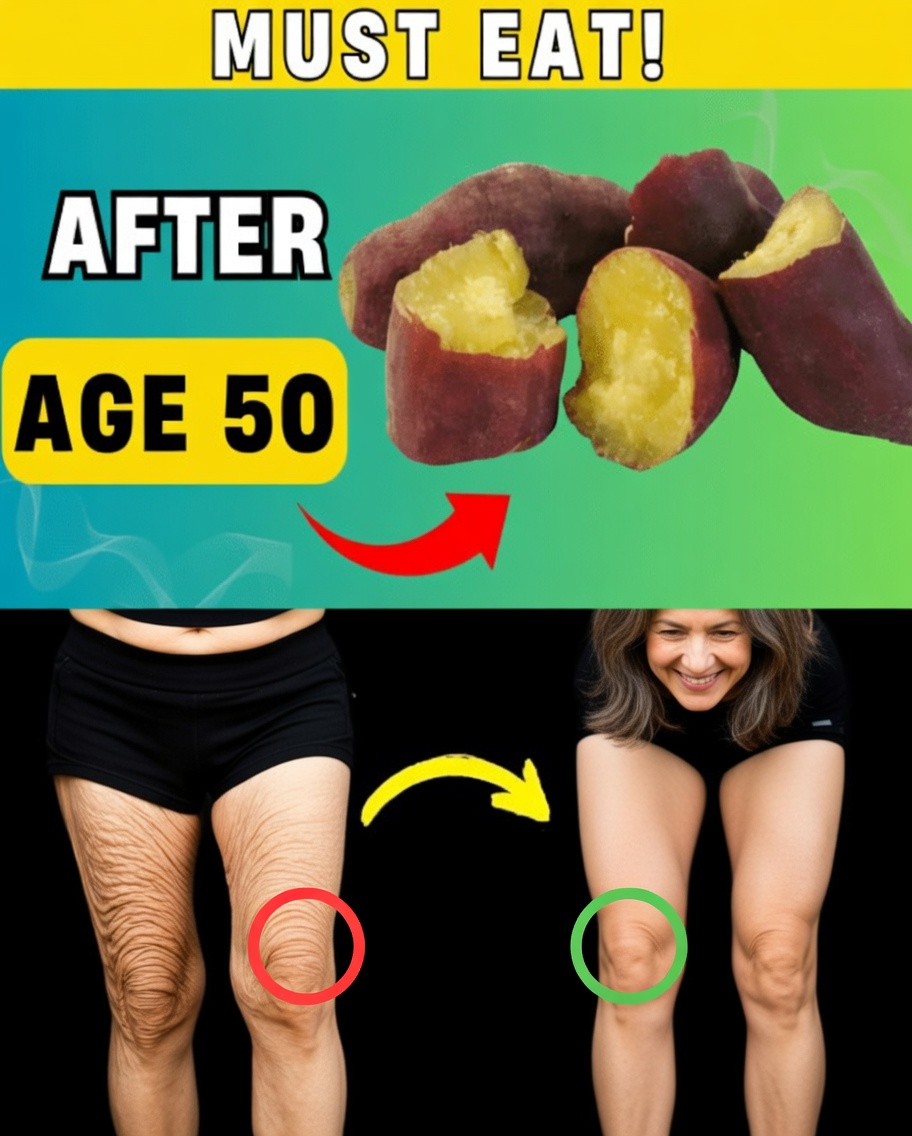
Now picture this: you slice into a perfectly roasted sweet potato—edges caramelized, warm cinnamon drifting through the kitchen—and with every bite, your body soaks up beta-carotene, potassium, and fiber your aging cells desperately need.
Whether you cook at home or rely on a food delivery service, those small, strategic choices can make a surprising difference.
On a scale from 1 to 10, how much energy do you usually have at the end of a typical day? Hold that number in your mind. What if simply adding a handful of delicious, targeted foods could push that number several points higher—naturally?
As someone over 50 (or someone caring for an older loved one), you may already feel:
- Slower recovery and more fatigue
- Stiff or creaky joints
- Occasional brain fog
- Clothes fitting differently than they used to
Many people turn first to new supplements or restrictive diets. But often, the most powerful transformation comes from something much simpler: upgrading what’s already on your plate.
Stick with this guide as we walk through 12 science-backed foods that thousands of people over 50 quietly use to feel more energetic, strong, and mentally clear. The stories and research might surprise you.
Why Your Body Feels Different After 50 – And How Food Becomes Your Best Ally
Crossing 50 can feel like your body has its own agenda: knees complain more, blood pressure creeps up, and memory isn’t quite as sharp as it used to be. According to the CDC, over 60% of adults 50+ live with at least one chronic condition. By 65, that number jumps to nearly 85%.
You might eat “healthy” and still feel sluggish. That’s common. A lot of people try cutting carbs, drinking endless green juices, or buying pricey bone health supplements, yet overlook the consistent, nutrient-dense whole foods that directly support the changes happening in an aging body.
Food isn’t only about disease prevention—it’s about:
- Having the stamina to play with grandkids
- Feeling confident in your clothes
- Keeping your mind sharp enough to fully enjoy life
Most one-size-fits-all diet plans ignore the specific needs of people over 50. The good news? You don’t need complicated rules. You can enjoy satisfying meals that quietly:
- Rebuild and protect muscle
- Support heart and blood vessel health
- Nourish bones, joints, and brain
Let’s start with 12 foods that do exactly that.
1. Sweet Potatoes – Support for Vision, Skin, and Blood Sugar
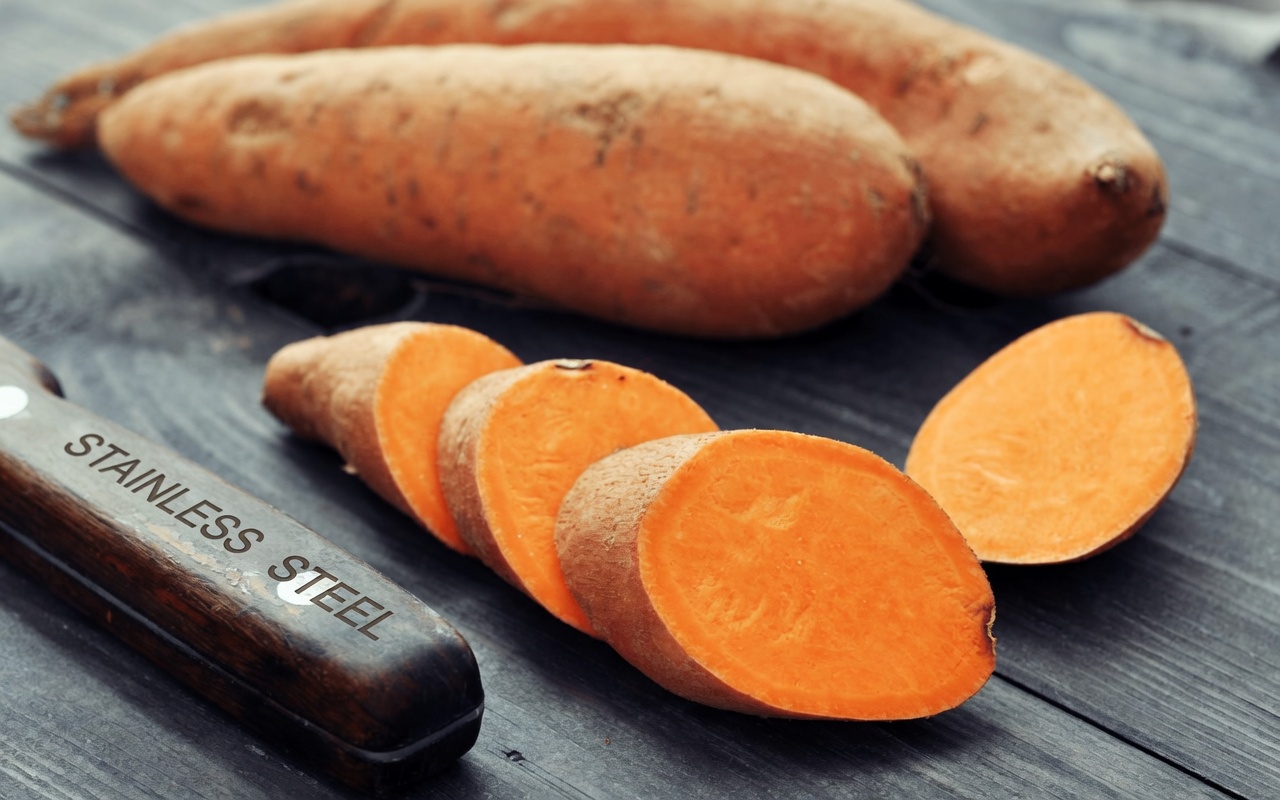
If your eyes tire more quickly or your skin looks less radiant than before, sweet potatoes can be a game-changer. They’re rich in beta-carotene, which your body converts to vitamin A—a single medium sweet potato provides over 400% of your daily vitamin A needs.
A 2023 study in Nutrients found that higher beta-carotene intake is associated with:
- Better skin elasticity
- Lower risk of age-related macular degeneration (a leading cause of vision loss)
Meet Linda, 58, a retired nurse from Colorado:
“I felt foggy, and my skin was dry all the time. I started roasting sweet potatoes and eating them three nights a week. Within a month, my energy picked up and my skin actually looked brighter.”
Take a moment: rate your daily energy from 1 to 10. If that number is on the low side, adding sweet potatoes a few times a week could be a simple first step.
And if you’re thinking about blood sugar, don’t worry—we’re about to look at a legume that supports stable blood sugar and heart health at the same time.
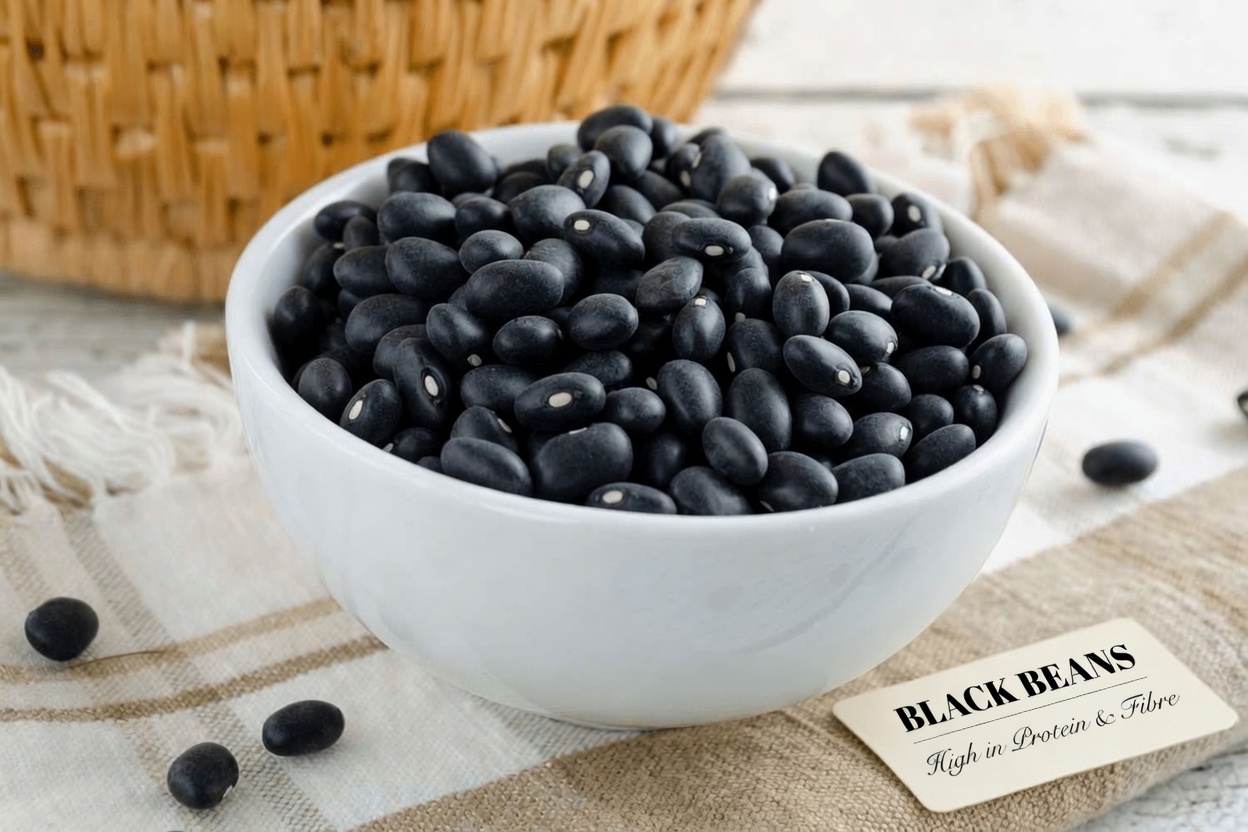
2. Black Beans – Muscle Maintenance and Cholesterol Control
Muscle naturally declines after 50, but your diet can slow that loss. Black beans provide about 15 grams of plant-based protein per cup, along with magnesium, iron, and plenty of fiber that helps manage cholesterol.
A 2024 meta-analysis in The American Journal of Clinical Nutrition found that regular legume consumption can lower LDL (“bad”) cholesterol by 6–10 mg/dL on average.
James, 61, a former truck driver from Ohio, started eating black bean chili weekly:
“My doctor was stunned—my LDL dropped 28 points in three months and I didn’t change my medication at all.”
Quick self-check: On a scale of 1–5, how often do you eat beans in a week?
- 1 = Rarely or never
- 5 = Almost daily
If your score is low, you may be missing out on an easy way to protect both muscle and heart.
Whether you cook from scratch or use a diet planning service, make room for beans—they’re inexpensive, filling, and powerful.
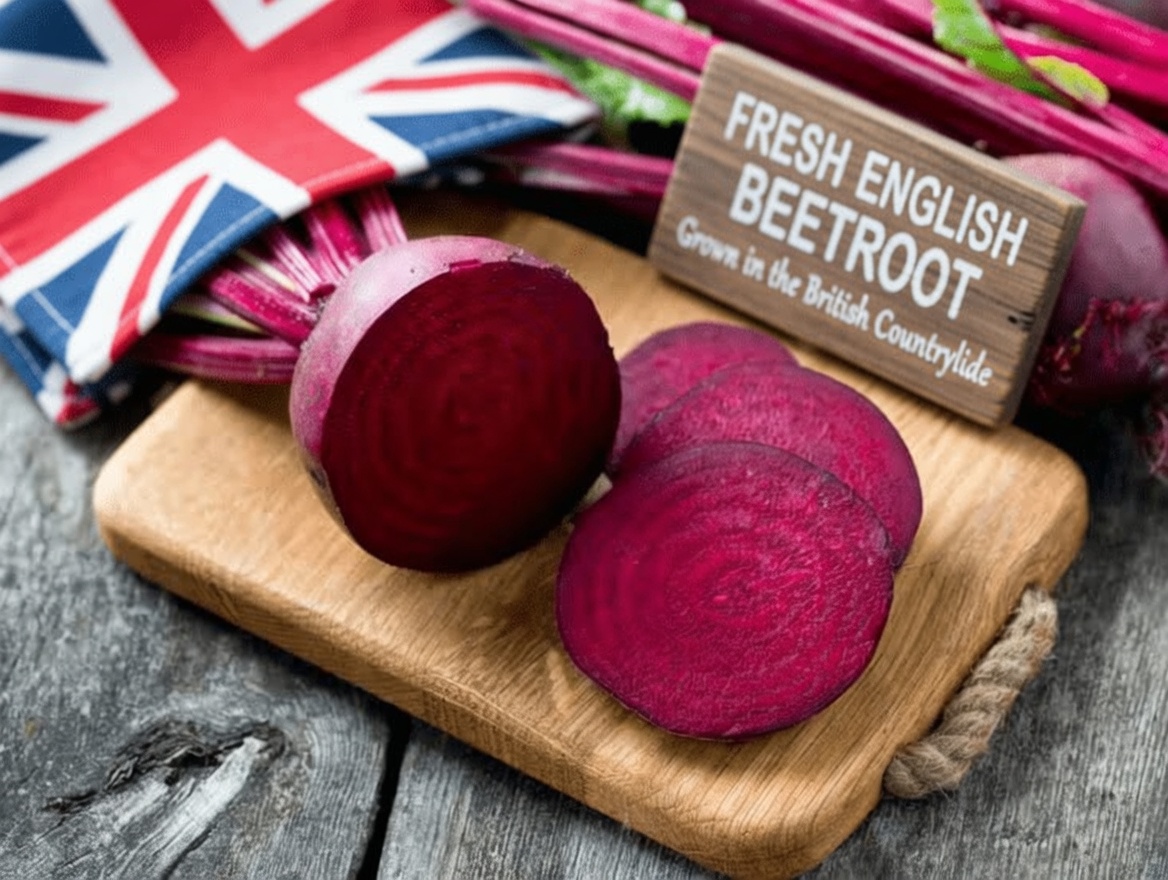
3. Beets – Natural Support for Energy and Brain Function
If walks, workouts, or even long errands leave you drained, beets could help. They’re rich in dietary nitrates, which the body converts into nitric oxide to improve blood flow and oxygen delivery.
Research, including a 2023 study in the Journal of Applied Physiology, has shown that beet juice can boost exercise endurance by 15–25% in older adults.
Maria, 56, a school librarian from Florida, tried adding a small beet smoothie to her day:
“I used to be done by 3 p.m. Now I still have enough energy to be out in the garden at 6.”
Beets may also support brain health by improving circulation to the brain—important for memory and focus as we age.
If you’ve never had your levels checked, a vitamin deficiency test can help identify gaps that foods like beets can help fill.
4. Onions – Quiet Immunity and Inflammation Support
If minor cuts or scrapes seem to take forever to heal or you feel “inflamed” more often, onions deserve a spot in your kitchen. They contain quercetin and sulfur compounds that help:
- Ease inflammation
- Support immune function
A 2024 review in Food Science & Nutrition linked regular onion intake to:
- Lower levels of inflammatory markers like CRP
- Improved immune responses
Sauté onions slowly in olive oil over low to medium heat—this boosts flavor and can make some beneficial compounds more available to your body. This is one of those simple cooking habits that can quietly upgrade your health, whether you cook yourself or rely on a food delivery service that uses whole ingredients.
5. Extra Virgin Olive Oil – Heart and Skin Nourisher
Imagine drizzling fragrant, golden extra virgin olive oil over a tray of roasted vegetables. Beyond the amazing taste, you’re getting:
- Monounsaturated fats that help protect arteries
- Polyphenols that fight oxidative stress and inflammation
The well-known PREDIMED trial showed that a Mediterranean-style diet rich in olive oil reduced major cardiovascular events (like heart attack and stroke) by roughly 30%.
Replacing butter or highly processed oils with extra virgin olive oil is a small shift with big payoffs for heart, brain, and skin.
Quick Check-In: What Have You Absorbed So Far?
Pause for a moment and lock in what you’ve learned:
- How many foods have we covered so far? (Answer: 5)
- What’s your biggest health challenge right now—energy, joints, weight, memory, or something else? Write it down.
- Rate your energy from 1–10 again. Has your awareness shifted since you started reading?
- Which upcoming food do you think will surprise you the most?
- Still reading? That already puts you in the small group who follow through on their health goals.
If you’re ready to keep going, you’re well ahead of the pack—right up there with people who use structured tools like a diet planning service to stay consistent.
6. Turmeric – Natural Support for Joints and Inflammation
If you wake up stiff or notice more joint aches than you used to, turmeric is worth attention. Its active compound, curcumin, is one of nature’s most studied anti-inflammatory agents.
A 2023 meta-analysis in Phytotherapy Research found that curcumin can relieve knee osteoarthritis pain as effectively as ibuprofen, but with fewer side effects.
Pro tip: Combine turmeric with black pepper. Piperine, found in black pepper, can boost curcumin absorption by up to 2000%, making your turmeric far more effective.
7. Garlic – Everyday Protection for Heart and Immunity
When garlic is crushed or chopped, it forms allicin, a compound that helps:
- Relax and widen blood vessels
- Lower blood pressure
- Support immune defenses
A 2024 review concluded that daily garlic intake can reduce systolic blood pressure by about 5–8 mmHg in people with hypertension.
Adding fresh garlic to soups, stews, or roasted vegetables is a simple, flavorful way to support heart health and resilience against infections.
8. Greek Yogurt – Building Blocks for Muscle, Bones, and Gut Health
If you want more protein without a lot of extra calories, Greek yogurt is a standout choice. A typical cup provides:
- 20+ grams of protein
- Calcium for bones
- Probiotics that support digestive and immune health
Studies show that higher dairy protein intake in older adults helps preserve muscle mass and bone density, both critical for staying independent and active.
Paired with a senior fitness program, Greek yogurt can be an excellent ally in maintaining strength, balance, and mobility.
9. Ginger – Gentle Help for Digestion and Joint Discomfort
If you struggle with bloating, nausea, or occasional indigestion, ginger can help. Its active compounds, gingerols, are known to:
- Speed up gastric emptying
- Soothe the digestive tract
- Reduce inflammatory processes
Research suggests ginger can ease osteoarthritis pain with effectiveness similar to some NSAID pain relievers—without some of the typical side effects.
Try adding fresh ginger to tea, stir-fries, or smoothies as a daily ritual.
10. Cucumbers – Hydration and Appetite-Friendly Crunch
Hydration often becomes a hidden challenge after 50, and mild dehydration can sap energy and dull skin. Cucumbers are about 96% water, making them an easy way to:
- Support healthy hydration
- Provide a refreshing, low-calorie snack
- Help you feel satisfied on fewer calories
Combine cucumbers with Greek yogurt for a refreshing dip or salad that supports both hydration and weight management.
11. Eggs – Compact Fuel for Brain, Eyes, and Muscle
Eggs are a nutrient-dense powerhouse, especially valuable as you age. They’re rich in:
- Choline, essential for memory and brain function
- Lutein and zeaxanthin, key antioxidants for eye health
- High-quality complete protein to support muscle
Despite old concerns, newer studies show that for most people, eating 1–2 eggs per day does not increase heart disease risk.
If you use bone health supplements, pairing them with eggs (and their protein and micronutrients) can make your bone-support strategy even more effective.
12. Salmon – Omega-3 Champion for Brain and Heart
Fatty fish like salmon are one of the best dietary sources of omega-3 fatty acids (EPA and DHA), which:
- Reduce systemic inflammation
- Support brain structure and function
- Help lower triglycerides and protect heart health
A 2024 study found that eating two servings of fatty fish per week was linked to a 20–30% lower risk of cognitive decline.
If fresh salmon isn’t always accessible, canned salmon is still a nutritious choice, especially when combined with other foods on this list.
You’ve now reached all 12 foods—welcome to the “top 5%” who not only read about health but are ready to act on it.
Quick Comparison Table: 12 Foods vs Common Aging Concerns
Use this table as a simple cheat sheet to match your top concerns with the foods that help most.
| Aging Concern | Best Foods From the List | Key Benefits |
|---|---|---|
| Muscle loss | Black beans, Greek yogurt, Eggs, Salmon | High-quality protein to maintain lean mass |
| Heart health | Olive oil, Garlic, Salmon, Black beans | Lower BP and LDL, reduce inflammation |
| Joint pain & inflammation | Turmeric, Ginger, Onions, Garlic | Natural anti-inflammatory and antioxidant support |
| Bone strength | Greek yogurt, Eggs, Salmon, Sweet potatoes | Calcium, protein, vitamin A, and supportive fats |
| Energy & stamina | Beets, Sweet potatoes, Cucumbers, Eggs | Better blood flow, stable blood sugar, hydration |
| Brain & memory | Salmon, Eggs, Beets, Olive oil | Omega-3s, choline, improved circulation |
| Immune support | Garlic, Onions, Greek yogurt, Ginger | Antimicrobial, probiotic, and anti-inflammatory |
Pick one concern to focus on first, choose 2–3 of the matching foods, and weave them into your weekly meals. Small, consistent changes like these often work better than extreme diets or short-lived fixes.
Over time, you may find that your end-of-day energy rating—and your overall quality of life—quietly move in a much better direction.