Foot Reflexology: An Ancient Practice for Modern Well-Being
Foot reflexology is an age-old practice found in many traditional cultures.
It is based on a simple idea: every area of the foot is linked to a specific organ or function of the body.
While it does not replace medical treatment, reflexology is now widely used as a complementary wellness approach, supporting relaxation, balance, and overall comfort.
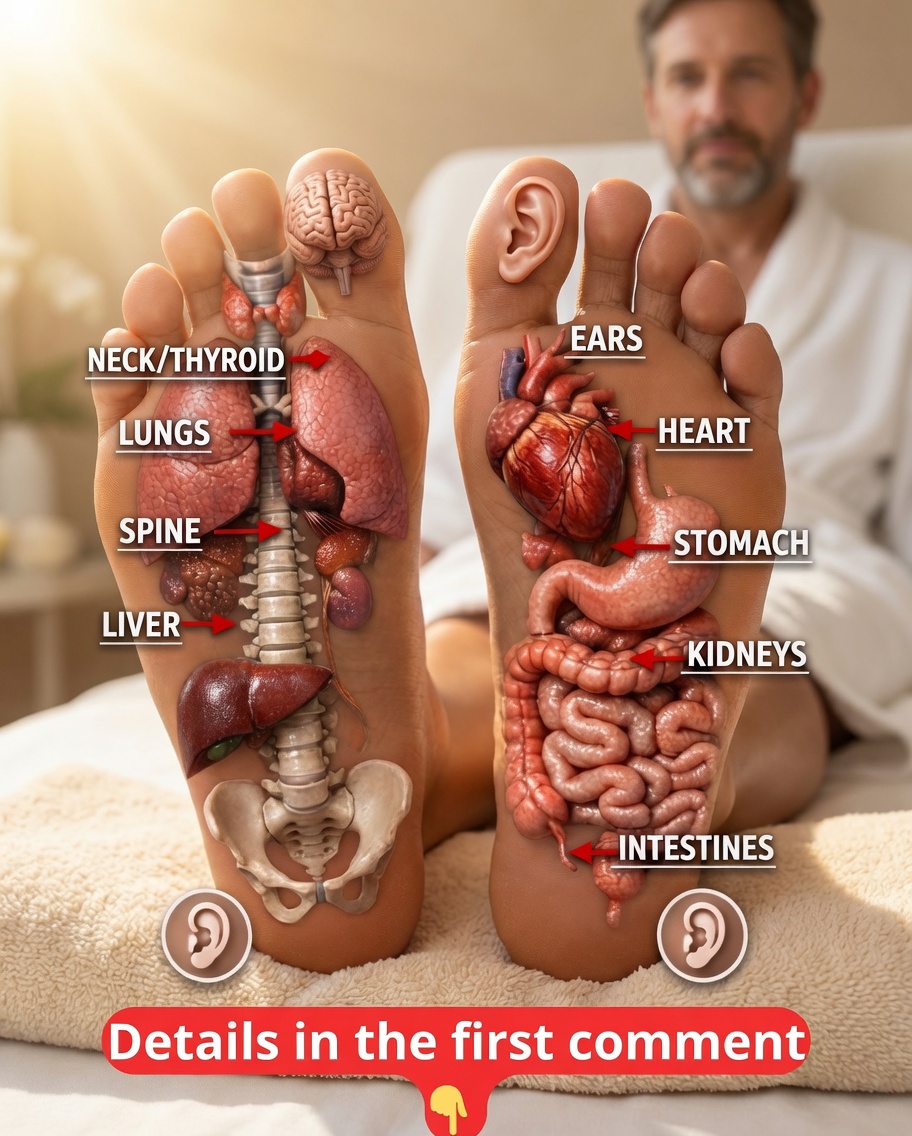
What Is Foot Reflexology?
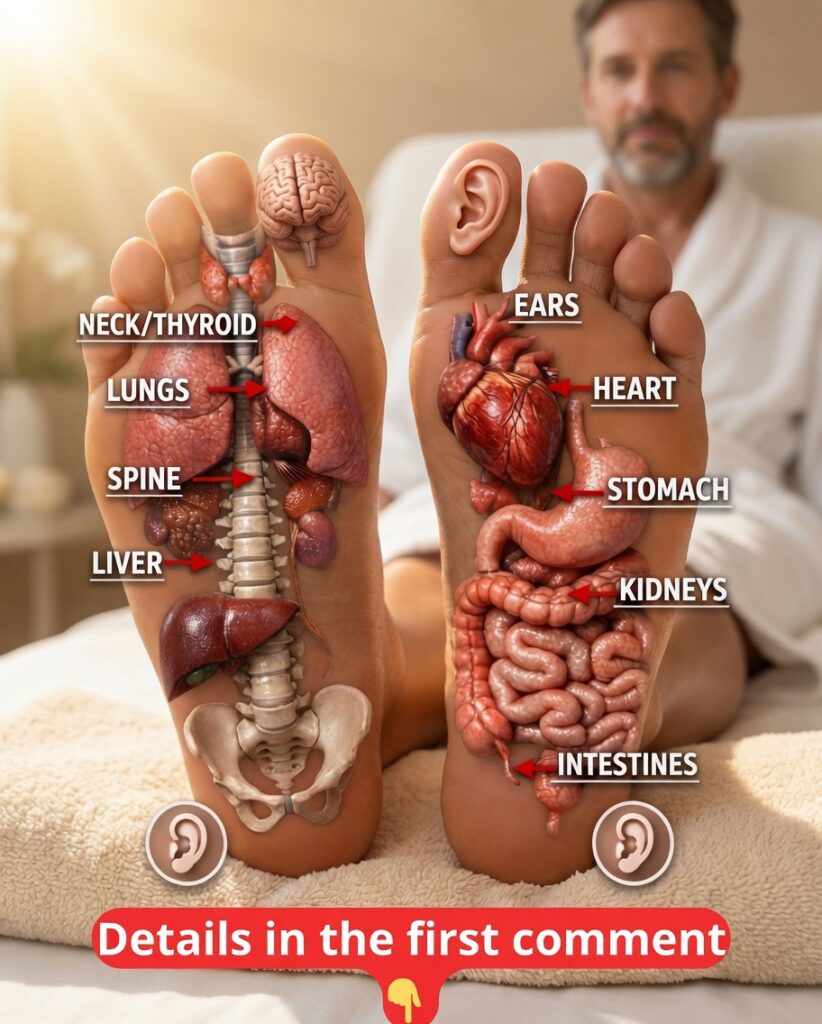
Foot reflexology views each foot as a miniature map of the entire body.
By applying gentle, precise pressure to specific points on the feet, the aim is to:
- promote deep relaxation
- support the body’s natural balance
- improve body awareness and perception
- contribute to overall well-being
The Foot Reflexology Map: Main Zones and Their Links
Reflexology charts divide the foot into different areas that correspond to the head, chest, digestive system, spine, and more. Below is a simplified overview of the main zones and their traditional associations.
Head and Brain
Location: Tips of the toes
Associated with:
- Brain
- Sinuses
- Eyes
- Ears
This area is often worked on when there is mental fatigue, nervous tension, or a need for mental relaxation.
Chest and Breathing
Location: Ball of the foot, just under the toes
Associated with:
- Lungs
- Bronchi
- Heart (mainly on the left foot)
This zone is commonly stimulated to encourage a sense of ease in breathing and to support respiratory relaxation.
Digestion
Location: Middle of the arch of the foot
Associated with:
- Stomach
- Liver (mainly on the right foot)
- Pancreas
- Intestines
This region is linked to digestive comfort and a feeling of lightness in the body.
Kidneys and Elimination
Location: Center of the foot
Associated with:
- Kidneys
- Bladder
- Urinary tract
This area is often stimulated to support fluid balance and the body’s natural elimination processes.
Spine and Back
Location: Inner edge of the foot
From the base of the big toe down to the heel, this line is traditionally linked to the spine.
This is considered a key zone for posture, back comfort, and tension along the vertebral column.
Pelvis, Hips, and Legs
Location: Heel area
Associated with:
- Hips
- Sciatic nerve
- Lower back
- Pelvic organs
This zone is often used in sessions focused on the lower back, pelvis, and legs.
How to Practice Gentle Foot Reflexology at Home
A simple self-massage routine can be done at home to enjoy some of the relaxing effects of foot reflexology.
Soft Self-Massage Method
- Sit in a comfortable position where you can easily reach your feet
- Work on one foot at a time
- Apply moderate pressure with your thumbs or fingers—never to the point of pain
- Breathe slowly and deeply while you massage
- Continue for about 10 to 15 minutes in total
Using a natural oil (such as sweet almond, sesame, or olive oil) can make the massage smoother and more pleasant.
Commonly Reported Benefits
People who practice or receive foot reflexology often describe:
- deep relaxation
- a sense of letting go and release
- improved awareness of their body and sensations
- reduced feelings of stress
- greater overall comfort and well-being
Effects can vary significantly from one person to another.
Important Precautions
Foot reflexology is a wellness technique and does not replace professional medical care.
It is generally advised to avoid reflexology in cases of:
- phlebitis (vein inflammation or blood clots)
- foot infections
- recent fractures or trauma to the foot
- advanced pregnancy, without prior professional advice
If you are unsure whether reflexology is suitable for you, consult a healthcare professional first.
In Summary
The foot reflexology map is a valuable wellness tool that can help you:
- better understand the links between your feet and your body
- reconnect with your physical sensations
- create a simple, natural relaxation ritual in daily life
It is a moment just for you, starting from the feet—yet intended to bring harmony and comfort to the whole body.