Subtle Signs Your Kidneys May Be Under Extra Strain
You come home after a long day, slip off your shoes, and notice your ankles or feet look puffier than usual—almost as if your body is holding on to extra fluid. Or you feel worn out and heavy, even though you’re getting enough sleep. Maybe your energy just feels “off,” but you can’t quite explain why.
These quiet changes are easy to blame on age, stress, or a busy schedule. Yet for many people over 45, they’re often linked to everyday factors such as:
- Hydration habits
- Blood pressure ups and downs
- Blood sugar swings
- The constant workload your kidneys handle around the clock
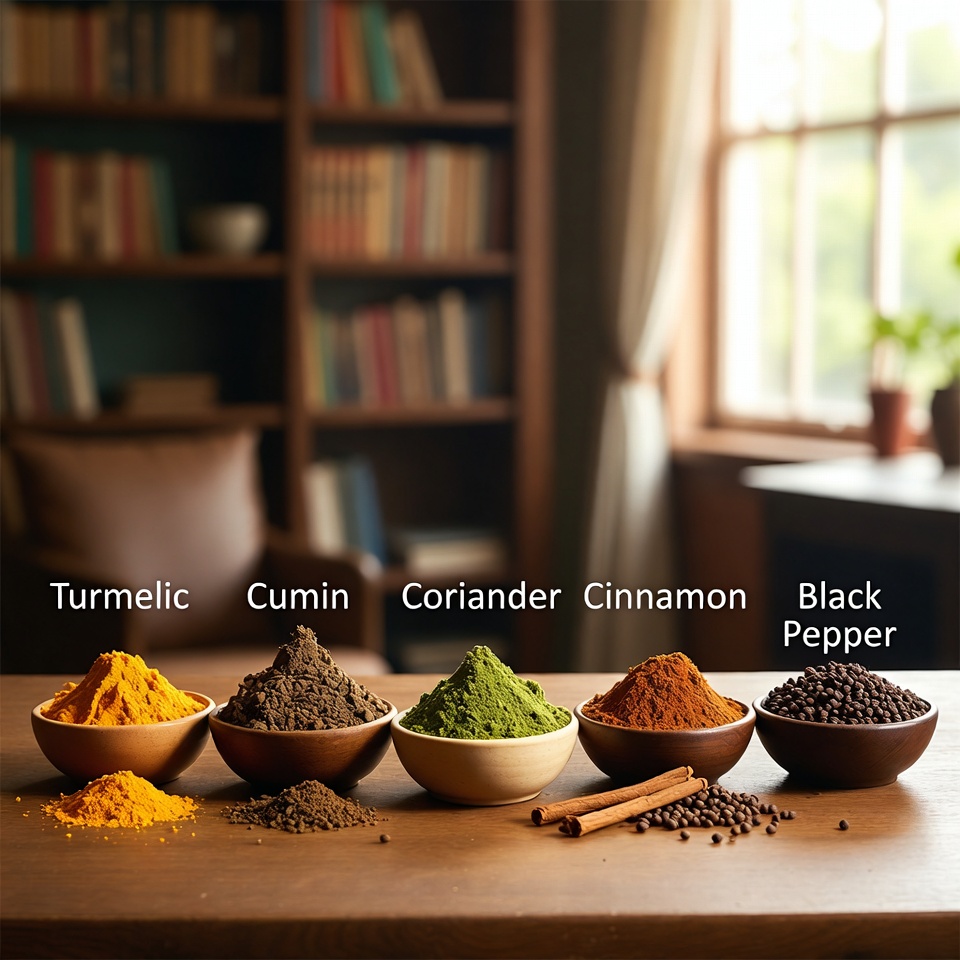
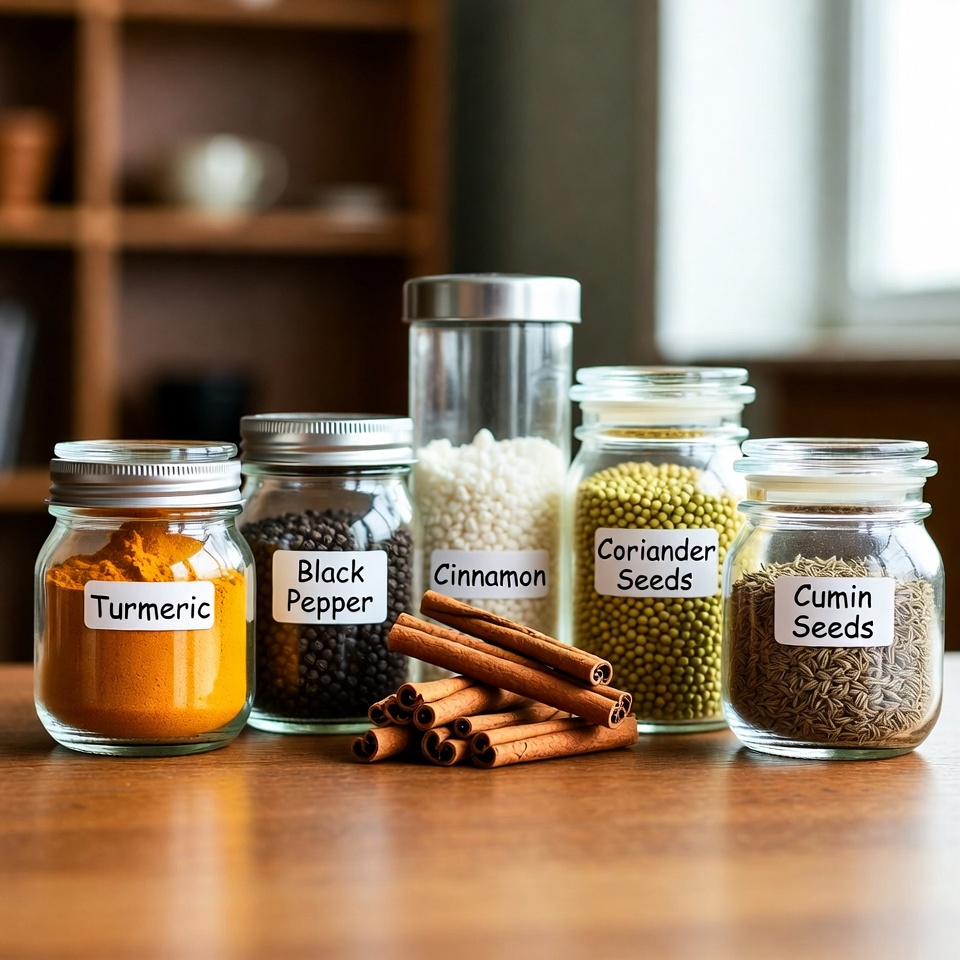
Here is the encouraging part: you may already have simple tools in your kitchen. A handful of common spices can offer gentle, daily support for kidney comfort—no extreme “detox” plans required. And the #1 spice on this list surprises most people, because it’s usually dismissed as nothing more than a decorative garnish.
The Daily Hidden Pressure on Your Kidneys
Your kidneys are quiet workhorses. Every day they:
- Filter roughly 200 quarts of blood
- Balance fluid levels
- Remove metabolic waste
- Help regulate blood pressure and electrolyte balance
When everything is functioning smoothly, you barely notice them. But modern lifestyle habits can steadily increase the load they carry.
Common sources of silent strain include:
- Ongoing low-grade inflammation and oxidative stress
- High sodium intake from processed and packaged foods
- Long-term blood sugar fluctuations
- Inconsistent or inadequate hydration
- Certain medications or chronic health conditions
These influences rarely cause sudden, dramatic symptoms. Instead, they can build up slowly, leaving you feeling heavier, more swollen, more tired, or just less comfortable in your own body.
Research in publications such as the American Journal of Kidney Diseases has highlighted the role of inflammation and oxidative stress in kidney stress, especially when combined with elevated blood pressure or blood sugar concerns.
The encouraging news: you generally do not need harsh cleanses or restrictive regimens. Consistent, realistic nutrition and lifestyle choices—including strategic use of specific spices—can help create a more kidney-friendly environment over time.
Why Gentle Daily Habits Beat Extreme Detox Trends
Trendy detoxes often promise dramatic results in a short time, but they tend to be:
- Too restrictive
- Difficult to maintain
- Risky for people managing blood pressure, blood sugar, or medications
Spices, on the other hand, offer a quieter, food-based approach to supporting kidney health and overall well-being.
They work well because:
- They’re typically used in moderate, culinary amounts
- They make healthy meals more flavorful and satisfying
- They can encourage better habits (e.g., drinking more water, choosing whole foods over processed options)
- They blend into your normal routine without feeling like “medicine”
Think of these spices as subtle allies rather than dramatic fixes. Studies in journals such as Antioxidants and Phytotherapy Research have explored how plant compounds in common spices may help reduce oxidative stress and inflammation—two key factors that can indirectly lighten the kidneys’ workload when paired with a balanced lifestyle.
The key takeaway: consistency matters far more than intensity.
Countdown: 5 Everyday Spices That May Support Kidney Comfort
5. Turmeric – The Golden Spice with Calming, Anti-Inflammatory Potential
Turmeric is known for its bright yellow color and warm, earthy flavor. Its main active compound, curcumin, has been widely studied for its antioxidant and anti-inflammatory actions.
Research, including studies in the Journal of Renal Nutrition, suggests that curcumin may help influence oxidative pathways in the body, promoting a calmer internal environment. While turmeric does not treat kidney disease, using it regularly as part of a healthy diet may support overall comfort and help reduce the impact of inflammatory stress—especially when combined with better hydration and lower sodium intake.
How to use turmeric:
- Add ½–1 teaspoon to soups, stews, rice dishes, or roasted vegetables a few times per week
- Combine with a pinch of black pepper and a healthy fat (such as olive or avocado oil) to improve curcumin absorption
4. Ginger – The Warming Root for Digestion and Gentle Comfort
Fresh ginger root provides a bright, zesty heat that seems to wake up the system. Compounds called gingerols and shogaols have demonstrated antioxidant and anti-inflammatory properties in multiple studies.
Many people find ginger:
- Soothes occasional digestive discomfort
- Promotes a feeling of warmth and circulation
- Encourages a sense of fluid movement in the body
Some individuals notice a mild, natural diuretic-like effect from ginger tea, which may help support fluid balance, although responses vary from person to person.
Easy ways to enjoy ginger:
- Slice fresh ginger and steep in hot water for a simple tea
- Grate into stir-fries, curries, marinades, or soups 3–5 times per week
3. Cinnamon – The Sweet Spice That May Support More Stable Blood Sugar
Cinnamon’s cozy aroma is instantly recognizable. Beyond flavor, its polyphenols have been studied for potential benefits on glucose metabolism and insulin sensitivity.
Stable blood sugar levels are crucial for long-term kidney health, because years of blood sugar spikes and crashes can put strain on the kidneys. Research in journals such as Diabetes Care suggests that cinnamon may help support healthier blood sugar responses when used consistently in normal food amounts.
Simple cinnamon ideas:
- Use Ceylon cinnamon (often called “true” cinnamon and considered a gentler variety)
- Sprinkle on oatmeal, yogurt, cottage cheese, or fruit instead of added sugar
- Stir into coffee, herbal tea, or warm milk alternatives
2. Cayenne – A Small Kick for Circulation and Flavor
Cayenne pepper offers a quick burst of heat with just a small pinch. Its active component, capsaicin, has been researched for effects on circulation and metabolic processes.
Supporting healthy circulation can benefit your organs—kidneys included—by improving the delivery of oxygen and nutrients. Cayenne can also make food more flavorful, helping some people cut back on salty seasonings and sauces, which may reduce overall sodium intake.
Important caution:
If you have acid reflux, stomach ulcers, or a very sensitive digestive system, you may want to avoid cayenne or use it very sparingly.
How to add cayenne:
- Add a tiny pinch to soups, stews, roasted vegetables, or chili
- Blend a small amount into spice rubs for poultry, fish, or plant-based proteins
1. Parsley – The Overlooked Herb That May Help Fluid Balance
Parsley is often treated as a decorative garnish, but many traditional cuisines value it for its fresh flavor and potential fluid-balancing properties. It contains plant compounds such as flavonoids and apiol, which have been noted in herbal research for their gentle diuretic-like effects.
Many adults report feeling less puffy and more comfortable when they use fresh parsley regularly—especially when combined with:
- Increased water intake
- Reduced processed and high-sodium foods
Easy ways to use more parsley:
- Chop generously and sprinkle over salads, soups, grain bowls, eggs, or roasted vegetables
- Blend into sauces like chimichurri, pesto-style spreads, or green dressings
- Steep a handful of fresh parsley in hot water for a mild herbal tea
How to Incorporate These Spices Safely and Effectively
Start Slowly and Build Consistency
You do not need to add all five spices at once. A gradual approach is more realistic and sustainable.
Consider this plan:
- Pick 1–2 spices to focus on for the week.
- Use them in normal culinary amounts (about ¼–1 teaspoon per serving, depending on the spice and your taste).
- Choose fresh or high-quality dried versions for the best flavor and potency.
- Pair your spice use with core kidney-supportive habits:
- Drink enough water throughout the day
- Limit processed and packaged foods
- Reduce excess sodium where possible
- Move your body daily (even gentle walking helps)
Matching Spices to Your Main Concerns
You can also choose spices based on what you’re noticing in your body.
If you’re dealing with noticeable swelling or puffiness:
- Focus on:
- Parsley (fresh, often)
- Ginger (especially as tea)
- Also aim to:
- Cut back on salty, processed foods
- Drink more water regularly
If you’re concerned about blood sugar patterns:
- Focus on:
- Cinnamon in breakfasts and snacks
- Also aim to:
- Prioritize whole foods (vegetables, lean proteins, whole grains)
- Reduce sugary drinks and refined carbs
If you feel general fatigue or suspect inflammation:
- Focus on:
- Turmeric in savory dishes
- Ginger in teas and meals
- Also aim to:
- Stay consistently hydrated
- Include colorful fruits and vegetables for extra antioxidants
If you have a sensitive stomach:
- Use more:
- Ginger (gently, in small amounts)
- Parsley
- Use less or avoid:
- Cayenne and very spicy foods
If you already have a diagnosed kidney condition or take medications:
- Always:
- Talk with your doctor or a qualified healthcare provider before making significant dietary changes or increasing spice intake beyond normal food amounts
Small Steps, Noticeable Comfort
Picture waking up with:
- Less ankle and foot swelling
- More steady, reliable energy
- A general feeling of lightness and ease
Not because you followed an extreme cleanse, but because you made small, enjoyable adjustments day after day.
These five everyday spices—parsley, ginger, cinnamon, turmeric, and cayenne—can become quiet, reliable partners when paired with:
- Good hydration
- Whole, minimally processed foods
- Regular movement
- Reasonable sodium and sugar control
You do not need to overhaul your life overnight. Choose one spice today. Use it intentionally tomorrow. Then slowly build from there.
Frequently Asked Questions
Can these spices replace kidney medication?
No. These spices are not medications and cannot replace prescribed treatments, medical advice, or regular checkups. They are meant to complement, not substitute, your doctor’s recommendations. Always follow your healthcare provider’s guidance.
How long before I might notice any difference?
Everyone is different. Some people notice subtle changes—like less puffiness, easier digestion, or steadier energy—within a few weeks of consistent use, especially when combined with:
- Better hydration
- Reduced sodium intake
- More whole foods and fewer processed items
Others may experience changes more gradually. Think long-term support rather than quick, dramatic results.
Are there any risks with these spices?
In normal food-level amounts, these spices are generally safe for most healthy adults. However:
- High doses (particularly in capsule or supplement form) can sometimes:
- Interact with medications (such as blood thinners, diabetes drugs, or blood pressure medications)
- Aggravate digestive issues in sensitive individuals
- Be inappropriate for certain medical conditions (for example, some kidney patients need to limit specific herbs or spices)
To stay safe:
- Use spices mainly as part of meals, not in megadose supplement form, unless advised by a healthcare provider.
- If you are pregnant, breastfeeding, have a kidney condition, or take prescription medications, talk with your doctor or pharmacist before making significant changes.
- Stop using any spice that causes discomfort and seek medical advice if you notice adverse reactions.
Used mindfully and consistently, these everyday spices can be a flavorful way to support overall wellness and create a more comfortable, kidney-friendly lifestyle.