High Creatinine on Your Lab Report: What It Really Means for Your Diet
Seeing a high creatinine result can feel alarming. Many people react by cutting out random foods—especially nuts and protein—hoping to quickly “cleanse” their kidneys.
Here’s the key point: creatinine is a marker of kidney function, not a toxin you can flush out overnight.
Food alone cannot cure kidney disease, but a kidney-friendly diet can ease the workload on your kidneys and support treatment recommended by your healthcare team.
Why Creatinine Levels Increase
Creatinine levels may rise when:
- The kidneys are under increased filtration stress
- You are dehydrated
- Protein intake is too high or poorly distributed
- Inflammation or chronic health conditions affect kidney function
Your daily food choices matter because the kidneys have to process:
- Protein waste products
- Phosphorus
- Potassium
- Sodium
Managing these nutrients carefully helps reduce extra strain on the kidneys.
Foods People Commonly Avoid With High Creatinine
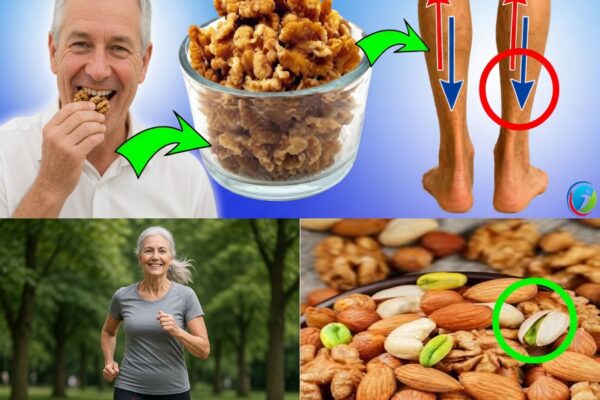
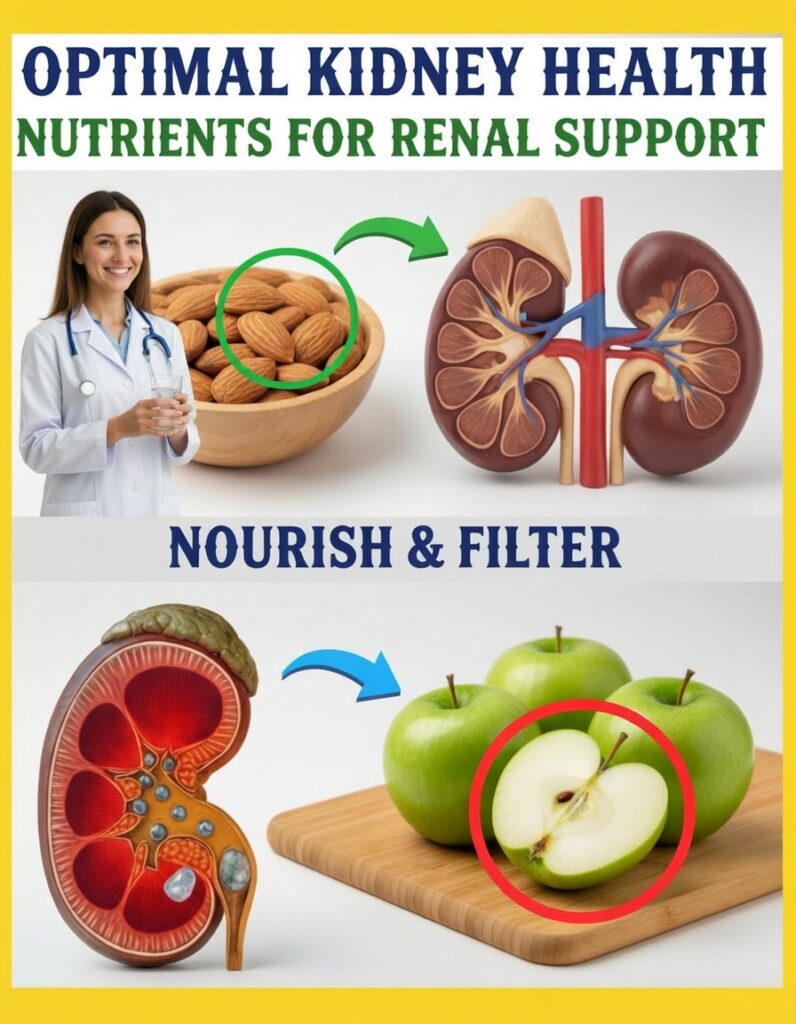
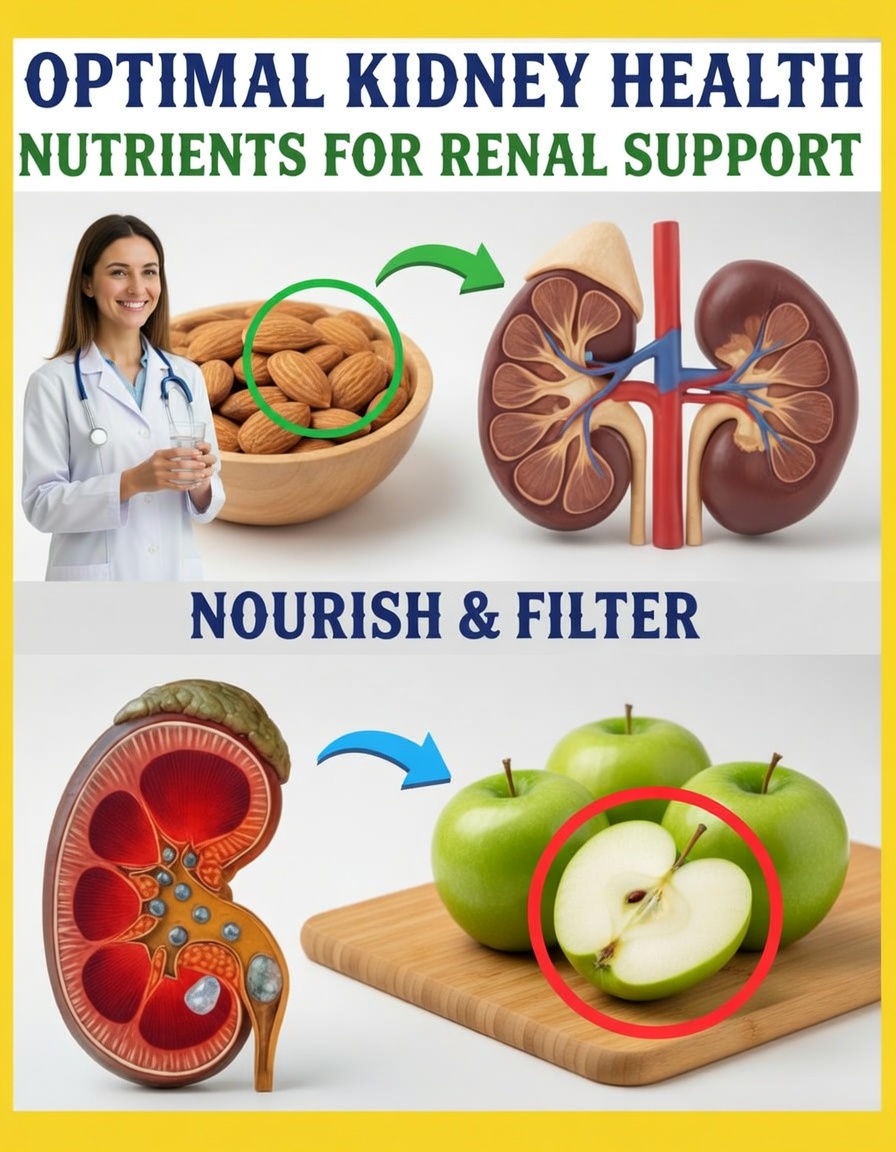
Nuts and Seeds: Not Always “Bad,” But Portion Size Matters
Many posts online label nuts and seeds as “dangerous” for kidney health.
Why they get a bad reputation:
- Many nuts and seeds are rich in phosphorus and protein
- In large amounts, these nutrients can increase the workload on weakened kidneys
Important clarification:
This does not mean all nuts and seeds are permanently off-limits.
What it actually means:
- Portion size matters – small amounts, not big handfuls
- Frequency matters – occasional use, not constant snacking
- Kidney disease stage matters – your lab results and medical advice guide what’s safe
If your creatinine is elevated, frequently snacking on large amounts of nuts or seeds can quietly add stress to your kidneys.
A Gentler Option: Why Onion Is Kidney-Friendly
When creatinine is high, onion can be a smart ingredient to lean on.
Benefits of onion for kidney support:
- Very low in protein
- Naturally low in potassium and phosphorus
- Adds strong flavor without needing extra salt
- Helps meals feel satisfying when protein needs to be moderated
Ways to use onions every day:
- Sauté with other vegetables as a flavor base
- Add to soups and stews for depth and aroma
- Use instead of heavy, salty sauces to build flavor
- Roast lightly to bring out natural sweetness without adding sodium
Onions help create tasty, filling meals while keeping the kidney workload lower.
How to Build Kidney-Supportive Meals
Rather than chasing “detox” or “cleansing” claims, aim to reduce filtration stress on your kidneys.
Practical strategies:
- Use onion as a primary flavor base in cooking
- Enjoy nuts and seeds in small, controlled portions, not as all-day snacks
- Spread your protein intake evenly across meals instead of eating large amounts at once
- Drink enough water unless your doctor has placed you on a fluid restriction
- Limit excess salt, processed foods, and fast food that can overload the kidneys with sodium and additives
This steady, balanced approach offers more benefit than any “quick cleanse” and supports your kidneys over time.
When to Expect Changes: A Realistic Timeline
The impact of dietary changes on creatinine and kidney function is gradual, not instant.
You may notice:
- Within a few days: Less bloating, improved awareness of hydration
- Within 2–4 weeks: Lab values may begin to stabilize if diet and fluid intake are consistent
- Long-term: The best outcomes come from ongoing dietary balance, regular lab monitoring, and medical follow-up
Any claim to “flush” or “cleanse” kidneys in a few days is misleading.
Safety Essentials You Should Not Ignore
- High creatinine always needs medical evaluation. Nutrition is supportive, not a replacement for medical care.
- Do not remove all protein from your diet unless specifically advised by your doctor or dietitian.
- People with chronic kidney disease need personalized nutrition plans, especially regarding:
- Nuts and seeds
- Potassium
- Phosphorus
- If your creatinine rises suddenly or you feel unwell, contact a healthcare provider immediately.
Key Takeaway
When creatinine is high, the goal is not extreme restriction or fear-based dieting.
The real goal is to lower unnecessary stress on the kidneys through consistent, thoughtful food choices.
- Be cautious with heavy nut and seed snacking
- Build meals around kidney-friendly, low-stress foods like onions and other suitable vegetables
- Combine these changes with ongoing medical care and monitoring
This gentle, sustainable approach supports kidney balance as part of a comprehensive care plan, rather than chasing quick fixes.