What Is Natural Tree Resin?
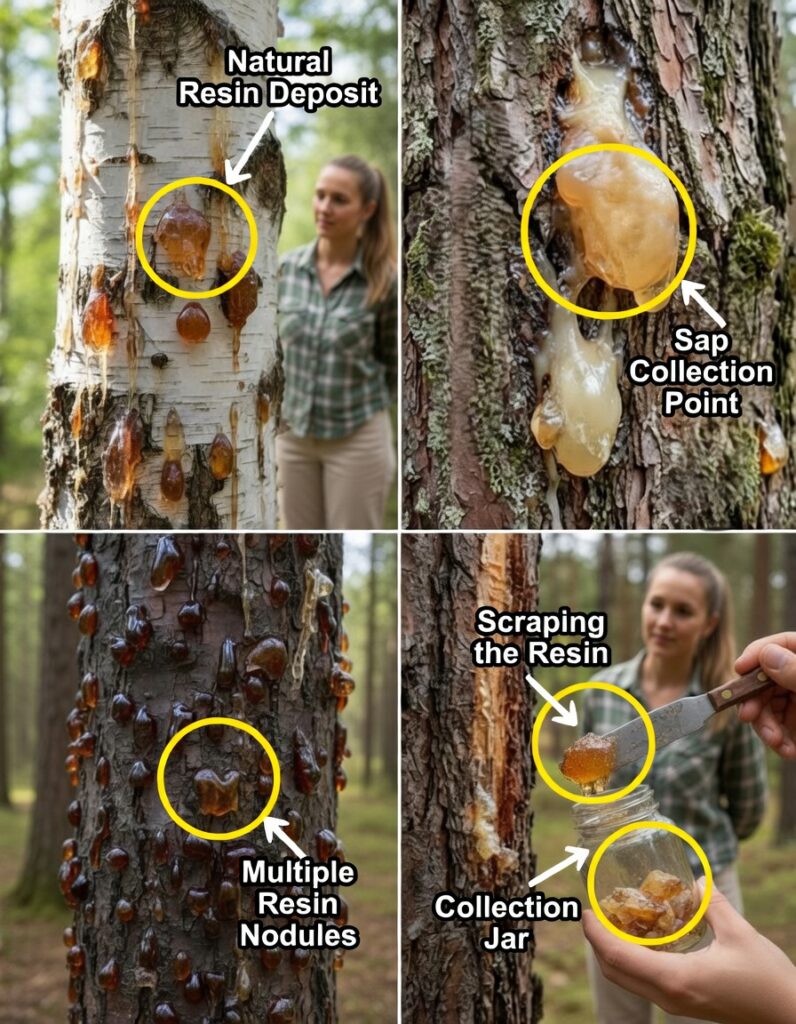
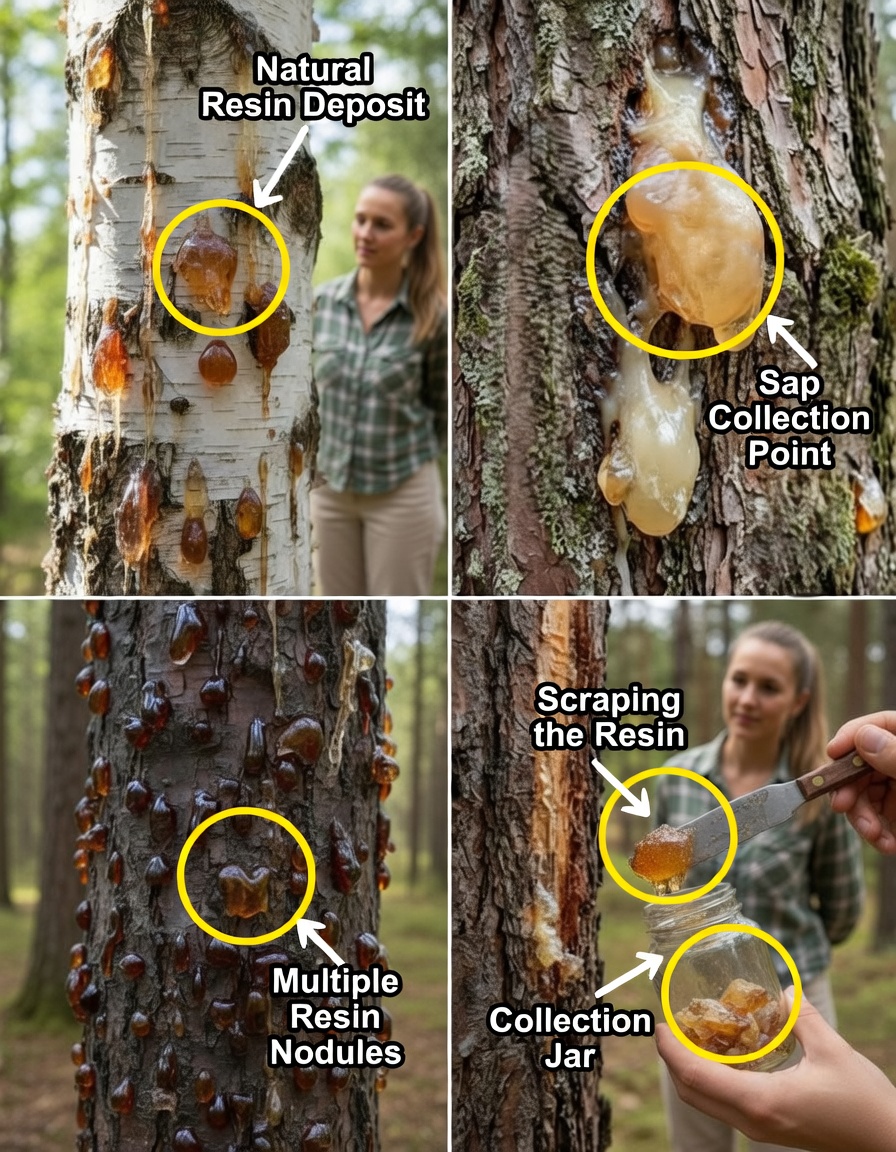
Natural tree resin is a thick, golden, amber-like substance that seeps from the bark when a tree is damaged or stressed. This sticky, translucent material forms as part of the tree’s built-in defense system against injury, pests, and environmental threats.
For thousands of years, people have valued natural tree resins in traditional medicine, skincare, incense, crafts, and even food preservation. From pine resin to cherry gum and acacia gum, these substances are known for their antimicrobial, anti-inflammatory, adhesive, aromatic, and preservative qualities.
How Tree Resin Works as a Natural Defense
Tree resin is a viscous secretion that gradually hardens once exposed to air. Trees release resin as a protective response to:
- Seal and close wounds in the bark
- Reduce the risk of infection
- Repel insects and other pests
- Defend against fungi and harmful bacteria
Different types of trees produce distinct resins with their own characteristics and uses, including:
- Pine resin
- Cherry gum
- Acacia gum (gum arabic)
- Mastic resin
- Frankincense
Each variety has a slightly different composition, aroma, and traditional application.
Top Benefits of Natural Tree Resin
1. Natural Antimicrobial Action
Many tree resins contain plant compounds that help inhibit the growth of bacteria, fungi, and other microbes. Traditionally, natural resin has been used to:
- Clean and disinfect minor wounds
- Protect small cuts and scrapes
- Calm irritated or chapped skin
Pine resin in particular has a long history as a natural topical antiseptic in folk remedies.
2. Anti-Inflammatory Support
Certain resins can help ease inflammation when applied externally. They are often used to provide relief for:
- Mild joint discomfort
- Sore or tired muscles
- Irritated or inflamed skin
- Itchy insect bites
In some traditional practices, warm resin poultices were placed on the skin to soothe localized swelling and discomfort.
3. Traditional Respiratory Support
Some resins—especially pine resin—have been burned or inhaled in various cultures to support respiratory health. Historically, people burned resin as incense to:
- Help open the airways
- Ease chest congestion
- Freshen and purify indoor air
The aromatic compounds in the smoke can act as natural expectorants, helping to loosen mucus and clear the breath.
4. Strong Natural Adhesive
Once hardened, resin becomes tough and highly adhesive, which made it an essential material in traditional daily life. It has been used to:
- Seal jars, containers, and seams
- Repair and reinforce wooden tools
- Waterproof leather, fabrics, and gear
- Craft and strengthen arrows, baskets, and boats
Even today, resins are foundational ingredients in many varnishes, sealants, and commercial glues.
5. Natural Chewing Gum Alternative
Gums from trees such as acacia, cherry, and mastic have long been used as natural chewing gums. These plant-based gums can:
- Freshen the breath
- Promote saliva production
- Support basic oral hygiene
Mastic gum, for example, remains popular in certain regions for its potential digestive and dental benefits.
6. Preservative and Thickening Agent
Edible resins like acacia gum (also known as gum arabic) are widely used in modern food and beverage manufacturing. They are commonly found in:
- Natural candies and confectionery
- Soft drinks and flavored beverages
- Syrups and sauces
- Emulsifiers and stabilizers in processed foods
These gums help improve texture, stabilize mixtures, and extend shelf life naturally.
7. Incense and Space Cleansing
Many cultures burn tree resins for their rich, aromatic smoke. Common uses include:
- Spiritual and religious ceremonies
- Meditation and relaxation rituals
- Energetic or symbolic space cleansing
Pine resin, copal, and frankincense are known for producing fragrant smoke that many believe helps purify, uplift, and ground the atmosphere.
Common Uses of Natural Tree Resin
1. Herbal Balms and Salves
When blended with oils, beeswax, or natural fats, resin is a popular ingredient in homemade and herbal salves. These balms are often applied to:
- Cracked or dry skin
- Minor cuts and abrasions
- Rough patches like elbows and heels
- Mild insect bites and stings
The resin adds both protective and soothing properties to topical preparations.
2. Natural Fire Starter
Dried tree resin is highly flammable and burns hot and long, making it a reliable fire starter. It is often included in:
- Camping gear
- Survival and emergency kits
- Bushcraft and outdoor activities
Just a small amount can help ignite damp wood or kindling.
3. Crafting and Woodworking
Resin has played an important role in traditional crafts and woodworking. It is used for:
- Natural glues and adhesives
- Waterproofing wooden surfaces and seams
- Finishing and protecting wood
- Sealing cracks and joints
In many cultures, resin-based mixtures were essential for building durable tools, containers, and boats.
4. Aromatic and Fragrance Uses
When burned on charcoal or in special burners, resin releases a deep, earthy, and often uplifting scent. It is used for:
- Home fragrance
- Grounding and relaxation
- Air purification and ambiance
Different resins have distinct aromas, from fresh and piney to warm and resinous.
5. Edible Resins (Specific Species Only)
Certain resins are considered safe and are widely used in food products—most notably:
- Acacia gum (gum arabic)
- Mastic resin
These are used as ingredients in sweets, beverages, and traditional recipes. However, not all tree resins are edible, and accurate identification is essential before any internal use.
Precautions When Using Tree Resin
- Do not consume resin unless you are absolutely sure the species is edible and safe.
- Some individuals may be allergic or sensitive to certain resins.
- Resin can occasionally cause skin irritation—always patch test before wider use.
- Because resin is highly flammable, handle with care when burning or using near open flames.
A Powerful Natural Resource
Natural tree resin is far more than a sticky substance on bark. It is a versatile natural resource with:
- Healing and soothing properties
- Antimicrobial and protective benefits
- Practical uses in crafting and repairs
- Aromatic and spiritual significance across cultures
From ancient remedies and traditional crafts to modern natural products, tree resin remains an important ally for wellness, craftsmanship, and a more nature-connected way of living.