
Caring for Dry, Tired Eyes in a Screen-Focused World
Many people now spend long stretches glued to phones, laptops, and TVs, often without realizing how rarely they blink or how seldom they pause. Over time, this can lead to dry, irritated eyes, itching, blurry vision, and a heavy, tired feeling that makes it harder to concentrate or enjoy your day. When these symptoms linger, even simple tasks like reading or checking emails can feel exhausting.
The encouraging news: small, consistent habits and supportive lifestyle choices can help keep your eyes more comfortable and hydrated. Below are practical, natural strategies you can start using right away.
Understanding Digital Eye Strain and Dry Eyes
Extended screen use naturally reduces how often you blink. Fewer blinks mean less of your eye’s own protective tear film spreading across the surface, which can contribute to dryness and discomfort. This cluster of symptoms is often called digital eye strain or computer-related dry eye.
According to organizations such as the American Academy of Ophthalmology, common signs include:
- Dryness or a gritty feeling in the eyes
- Burning, stinging, or itching
- Fluctuating or blurred vision
- Eyes that feel more tired in the evening
Natural strategies are not a substitute for medical treatment, but they can help ease mild symptoms and support overall eye comfort as part of a balanced routine. Many people notice meaningful relief by making simple daily adjustments.
Use the 20-20-20 Rule to Ease Screen Strain
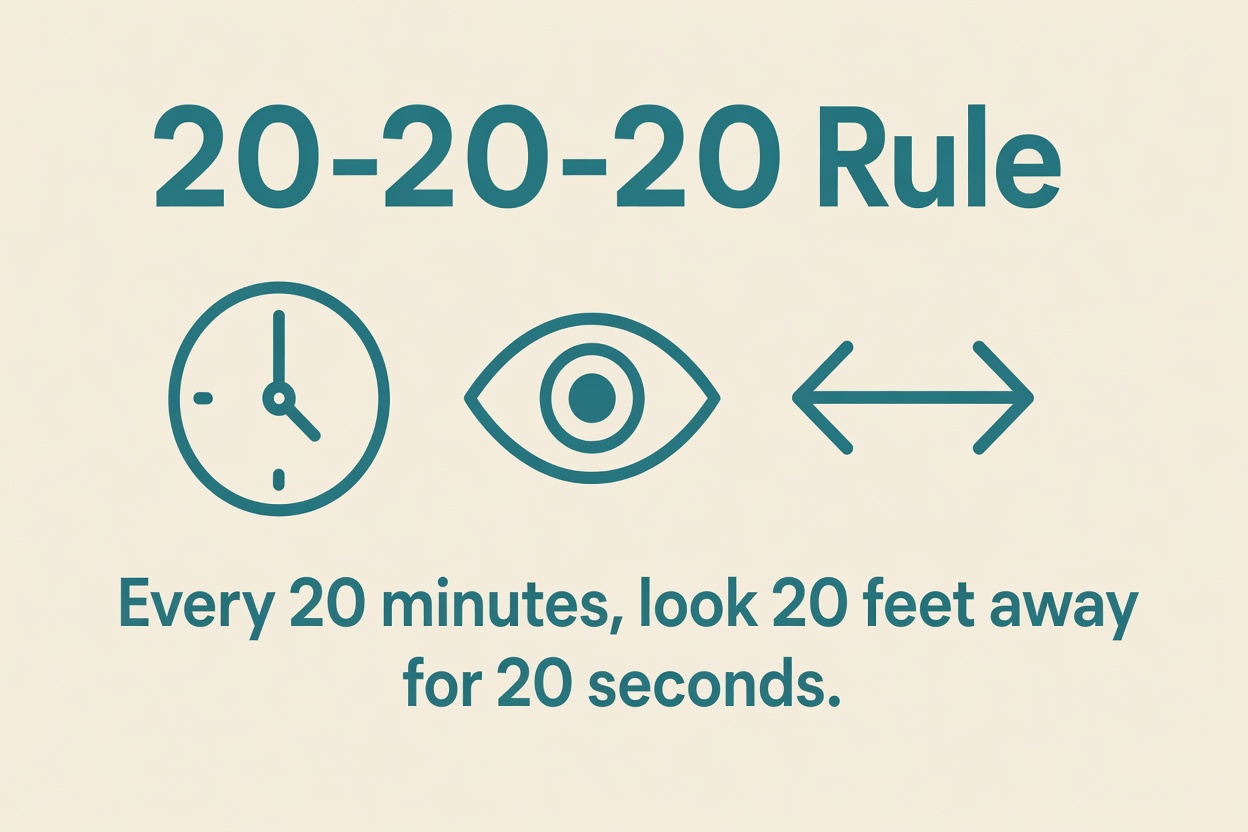
One of the most effective and beginner-friendly habits for dry, tired eyes is the 20-20-20 rule.
- Every 20 minutes
- Look at something about 20 feet away
- For at least 20 seconds
This brief pause relaxes the eye muscles that focus at close range and encourages you to blink, helping your natural tears coat the eye surface more effectively.
Because it’s quick, free, and requires no special tools, the 20-20-20 rule is easy to weave into any work or study schedule. Many people notice less eye fatigue by the end of the day when they use this technique consistently.
Gentle Eye Exercises for Flexibility and Relaxation
Your eyes contain small muscles that can benefit from light “stretching” and movement, just like other muscles in your body. Gentle eye exercises can help reduce tension and support more comfortable focusing.
Simple Focus Exercise
Try this easy routine:
- Hold your thumb about 6 inches (15 cm) in front of your face and focus on it.
- Then shift your attention to an object in the distance.
- Alternate your focus between your thumb and the distant object 10–15 times.
- Repeat this sequence 2–3 times per day.
This exercise may improve your eyes’ ability to shift focus and can help release some of the tightness that comes with staring at a screen for long periods.
Also, practice conscious blinking while using devices: every few minutes, close your eyes fully and gently for a couple of seconds. This helps spread your natural tear film more evenly and can reduce dry eye sensations.
Feed Your Eyes: Vision-Supporting Foods and Nutrients
Diet plays a meaningful role in eye comfort and overall eye health. Nutrient-dense foods, especially those rich in antioxidants and healthy fats, may support tear quality and protect the eye’s surface.
Eye-Friendly Foods to Add to Your Shopping List
Try including more of the following in your meals:
- Leafy greens (kale, spinach): High in lutein and zeaxanthin, pigments that support the retina.
- Carrots and sweet potatoes: Packed with beta-carotene, which your body converts into vitamin A, vital for healthy vision.
- Citrus fruits and bell peppers: Excellent sources of vitamin C, an antioxidant that helps protect eye tissues.
- Eggs: Provide zinc and other protective nutrients that support eye structure and function.
- Fatty fish (salmon, mackerel, sardines): Rich in omega-3 fatty acids, which may help improve tear quality and reduce inflammation.
Research referenced by resources such as Healthline and the Cleveland Clinic suggests that these nutrients can support tear production and help reduce oxidative stress in the eyes.
If diet alone isn’t enough, some people choose vitamins and supplements formulated for eye health. Always discuss supplements like omega‑3 capsules or eye-health blends with a healthcare professional to ensure they’re suitable for you.

Castor Oil in Eye Drops: What You Need to Know
Some lubricating eye drops available over the counter contain castor oil as one of their ingredients. When properly formulated for eye use, castor oil emulsions may:
- Help stabilize the oily (lipid) layer of the tear film
- Reduce tear evaporation
- Provide a smoother, more comfortable eye surface
Reviews and information from sources such as WebMD and Mayo Clinic note that these products are sterile, pharmaceutical-grade preparations created specifically for use in the eyes.
Why Pure Castor Oil Is Not Safe for the Eyes
It is critical to distinguish between medical eye drops that include castor oil and pure, non-sterile castor oil from cosmetic or household products. Ophthalmology experts, including those referenced by the American Academy of Ophthalmology, strongly advise against placing pure castor oil directly into the eyes because it may:
- Cause irritation and redness
- Blur vision
- Increase the risk of infection
- Block oil glands along the eyelids
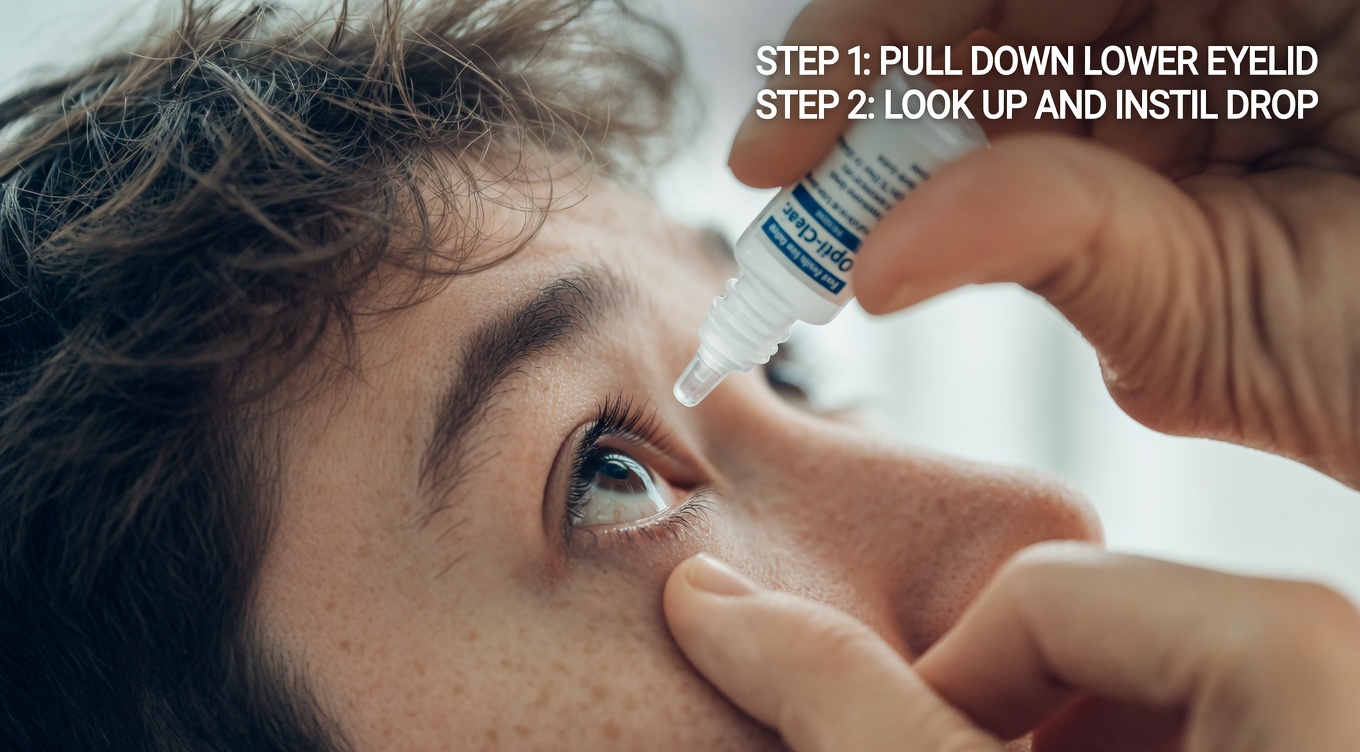
Always choose approved lubricating eye drops designed for ocular use and consult an eye doctor before trying any new product for dry eye relief.

Additional Daily Habits to Support Eye Hydration
Along with breaks, exercises, and nutrition, a few simple lifestyle practices can help your eyes feel more comfortable:
- Morning natural light: Spending a few minutes outdoors in the morning, with your eyes closed and your face gently turned toward the daylight, may help regulate your body’s internal clock, which in turn can support overall eye function.
- Stay well hydrated: Dehydration can intensify dry eye symptoms. Aim to drink enough water throughout the day so your body—and your eyes—are adequately hydrated.
- Reduce glare and harsh lighting: Adjust screen brightness, use anti-glare filters, and position your workspace so overhead or window light does not shine directly into your eyes.
- Consider blue-light filters: Glasses or screen settings that filter part of the blue light spectrum may help some people feel less strain, especially in the evening.
- Soothing compresses: Cool, damp chamomile tea bags can be used externally as compresses on closed eyelids for a relaxing effect. Only use them on the skin—never place tea or non-sterile liquid directly into the eye.
- Thoughtful supplement use: Herbal options such as bilberry or nutrients like omega‑3 fatty acids are popular for eye support, but scientific evidence is mixed. Always talk with a healthcare professional before starting any supplement.
These gentle habits can work together to promote more consistent eye hydration and comfort over time.
At-a-Glance: Daily Tips to Soothe Dry Eyes
Below is a quick comparison of common strategies you can incorporate into your routine:
| Tip | How It Helps | Ease of Starting |
|---|---|---|
| 20-20-20 Rule | Reduces eye strain, promotes blinking | Very easy; start today |
| Eye Exercises | Improves focusing flexibility, relaxes muscles | Just a few minutes daily |
| Nutrient-Rich Foods | Supports tear quality and eye health | Add to regular meals |
| Approved Lubricating Drops | Helps reduce tear evaporation and dryness | Widely available OTC |
| Morning Light Exposure | Supports body rhythms and overall eye function | Simply step outside briefly |
Layering several of these habits often provides better long-term comfort than relying on a single approach.
Frequently Asked Questions About Natural Dry Eye Relief
Are these tips enough if my dry eyes are severe?
These strategies can be very helpful for mild or occasional symptoms. However, if your eyes are persistently dry, painful, or your vision changes, it’s important to see an eye care professional for a thorough evaluation and personalized treatment.
Is pure castor oil ever safe to put in my eyes?
No. Experts recommend using only sterile, ophthalmic eye drops that are specifically formulated for the eyes. Pure castor oil or non-sterile oils can irritate the eyes and increase infection risk.
How long does it take to notice improvement?
Many people experience subtle relief within a few days of consistently using these habits. Results vary from person to person, so pay attention to how your eyes feel and adjust your routine as needed. If symptoms do not improve or worsen, consult a professional.
Conclusion: Small Changes, More Comfortable Eyes
Supporting eye comfort in a digital world doesn’t require drastic changes. Regular screen breaks, gentle eye exercises, eye-friendly foods, safe lubricating drops, and simple lifestyle adjustments can all work together to reduce dryness and strain.
Experiment with these approaches, notice which ones help you most, and combine them in a way that feels realistic for your daily life. For ongoing or significant discomfort, partner with an eye care specialist to create a plan tailored to your specific needs.