How Strong Is Your Defense Against Everyday Infections?
Up to 70% of adults over 40 say they face recurring infections, sluggish immunity, or stubborn digestive troubles at least once a year. Picture smashing a fresh garlic clove and catching that sharp, penetrating smell—that same active compound can circulate through your body like a natural shield, interfering with harmful microbes before they gain momentum.
Now, honestly rate yourself from 1 to 10: how resistant do you feel to everyday infections right now? Keep that number in mind… because a simple kitchen ingredient might be able to move that score much higher.
If you’re like many people navigating modern health challenges—balancing work, family, stress, and frequent prescriptions—you may feel your body doesn’t fight off bugs the way it used to. Could this time-tested remedy, now backed by growing research, be the ally you’ve been overlooking?
In this guide, we’ll unpack the popular claim that garlic “kills 14 bacteria and 13 infections,” explore what the science actually shows, share real-world stories, and outline practical ways to use garlic for everyday support.
Why Infections Feel Harder to Shake After 40
Hitting your 40s often comes with new health frustrations:
- Colds that linger for weeks
- Digestive discomfort that keeps returning
- Skin flare-ups that take longer to heal
Recent data suggest more than 60% of adults experience at least one bacterial-related illness each year—from sinus and respiratory infections to urinary tract issues. What used to be “just a cold” can morph into weeks of fatigue. And with antibiotic resistance on the rise, medications don’t always work as well as they once did.
These recurring problems don’t exist in isolation. Over time, they can contribute to:
- Ongoing, low-grade inflammation
- A less responsive immune system
- Disrupted gut balance that drains energy and affects mood
When was the last time you honestly rated your “infection resilience” on a 1–5 scale? Most people underestimate the impact of small, daily exposures—crowded offices, travel, poor sleep, processed food—slowly wearing down their defenses.
You may have already tried the usual tools: vitamin C, zinc, probiotics, and over-the-counter remedies. They can certainly help, but they often focus on symptoms rather than the underlying microbial imbalance.
This is where garlic offers a different angle.
Quick check-in: On a scale of 1–10, how often do you feel “run down” or caught in a cycle of low-level infections? Note your number—we’ll revisit that later.
Where Did the “14 Bacteria and 13 Infections” Claim Come From?
That attention-grabbing statement comes mainly from studies on garlic’s essential oil and extracts. In laboratory tests, garlic oil has been shown to act against:
- 14 types of enteric pathogens (harmful gut bacteria)
- 11 commensal strains (microbes that normally live in the gut), many of which turned out to be more sensitive
This doesn’t mean garlic literally hunts down exactly 14 bacteria and wipes out 13 named infections inside your body. Instead, it means researchers observed inhibitory effects against these organisms in controlled lab conditions.
The Real Star: Allicin
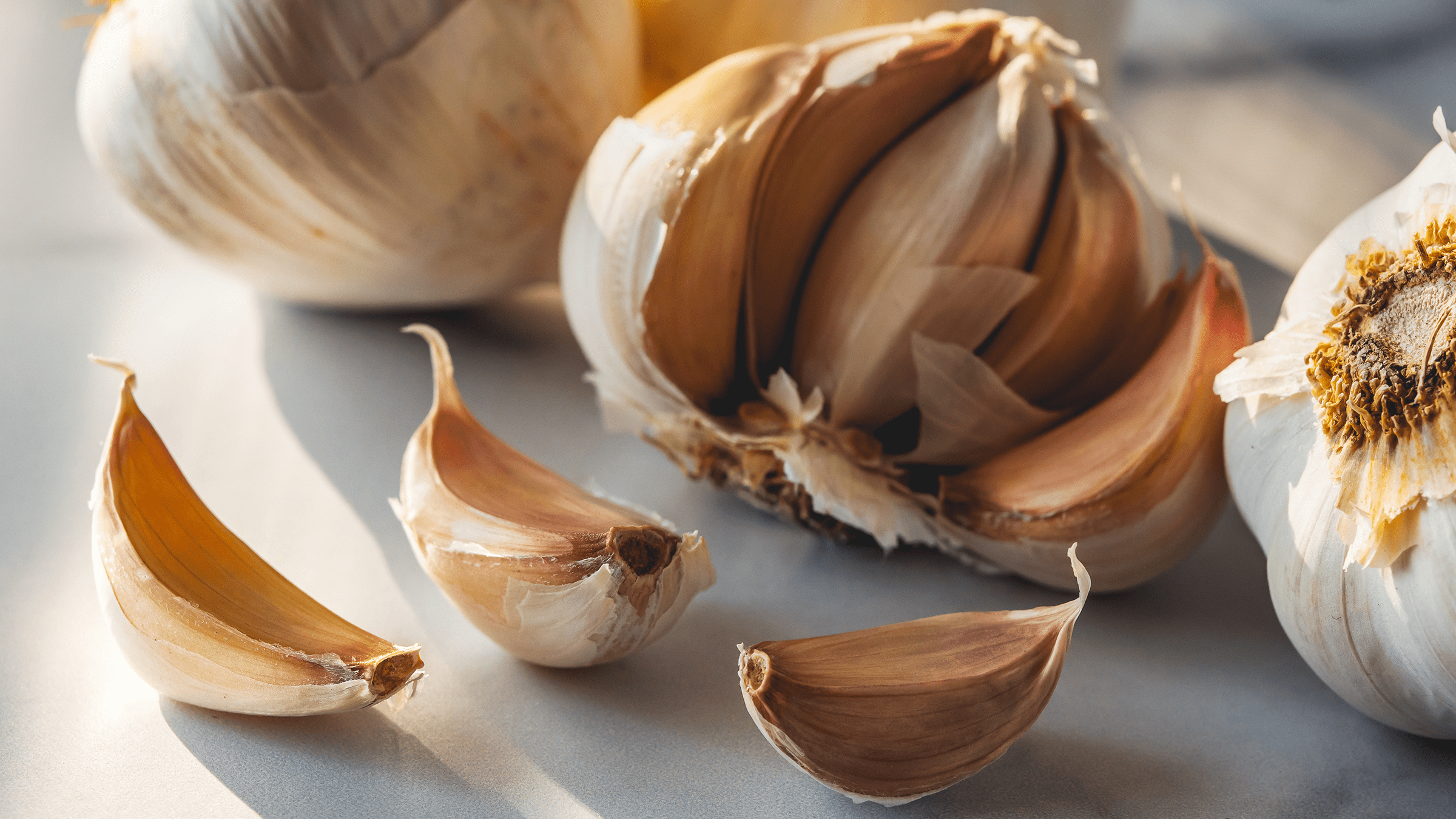
The key compound is allicin, formed when you crush or chop fresh garlic. Allicin is highly reactive and can:
- Bind to thiol (sulfur-containing) groups in microbial enzymes
- Disrupt crucial cellular processes such as energy production
- Interfere with replication and survival mechanisms in microbes
Because allicin targets multiple pathways at once, it’s often described as broad-spectrum, showing activity against both Gram-positive and Gram-negative bacteria. Studies have reported effects even against difficult, resistant strains like:
- MRSA (Methicillin-resistant Staphylococcus aureus)
- Multidrug-resistant Escherichia coli
Research also indicates garlic compounds may help inhibit a wide range of microbes, including:
- Common bacteria: Staphylococcus aureus, E. coli
- Foodborne pathogens: Salmonella
- Stomach bacteria: Helicobacter pylori
- In combination with other therapies: Mycobacterium tuberculosis
Beyond bacteria, there is evidence of potential support against certain fungi, viruses, and parasites. So while the “14 bacteria and 13 infections” line oversimplifies, the overall science is impressive—especially where conventional antibiotics are struggling.
A Real-Life Example: Sarah’s Turnaround with Garlic
Sarah, 42, a school teacher and mom of two in suburban Chicago, was constantly sidelined by sinus infections and digestive upset.
“I was on antibiotics twice a year,” she says. “They helped short-term but left me exhausted and dealing with yeast problems.”
She already enjoyed the flavor of garlic, but after reading about allicin, she took a more intentional approach. She began adding freshly crushed raw garlic to her salads, dips, and dressings every day—letting it sit a few minutes before eating.
Within two weeks, she noticed she wasn’t dragging through the day as much. After a month, her sinus pressure reduced, and the episodes became less frequent. Her doctor noted fewer urgent visits.
“It wasn’t a miracle overnight,” Sarah explains, “but it felt like my body finally had backup.”
Her experience lines up with research suggesting that allicin may:
- Help break down bacterial biofilms (protective layers microbes form)
- Support a more balanced immune response
So how far do garlic’s potential benefits really go?
15 Science-Backed Ways Garlic May Support Your Health
Let’s organize garlic’s potential benefits from basic everyday support to more far-reaching effects.
Buy vitamins and supplements
Foundation Level (1–4): Everyday Protection
-
Broad Antibacterial Support
Compounds in garlic can inhibit the growth of common pathogens such as E. coli and S. aureus, especially in lab conditions involving enteric (gut-related) bacteria.- If your gut comfort is under 7 out of 10, consistently using garlic may make a noticeable difference.
-
Immune System Support
By helping lower overall microbial burden, garlic may assist your immune system so it doesn’t have to work as hard around the clock. -
Digestive Balance
Some studies suggest garlic can discourage harmful bacteria while allowing beneficial species to thrive, contributing to a more balanced microbiome. -
Anti-Inflammatory Potential
Certain sulfur compounds in garlic exhibit anti-inflammatory properties, which may help calm systemic, low-grade inflammation over time.
Momentum Phase (5–8): Strengthening Your Defenses
-
Support Against Resistant Strains
Research indicates garlic extracts can act against antibiotic-resistant organisms like MRSA and multidrug-resistant E. coli.
Sarah’s reduced antibiotic use reflects what many hope for—a complementary way to support the body when resistance is a concern. -
Biofilm Disruption
Microbes often hide in biofilms, slimy protective layers that shield them from drugs and immune cells. Allicin appears capable of weakening these defenses, potentially making microbes easier to target. -
Antifungal Activity
Garlic has long been used traditionally for fungal issues, and modern studies show activity against species such as Candida, which can overgrow in the gut or mucous membranes. -
Early Antiviral Signals
While more human research is needed, in vitro experiments suggest garlic compounds may interfere with viral replication, particularly in certain respiratory viruses.
Mini check-in:
- How many benefits have we covered so far? (8)
- What’s your biggest recurring infection or irritation?
- Has your energy rating shifted since you started reading?
Life-Changing Zone (9–12): System-Wide Effects
-
Cardiovascular Support
Garlic is studied not only for its antimicrobial actions but also for its potential to support healthy blood flow, circulation, and cholesterol balance—an important plus for adults over 40. -
Gut Microbiome Harmony
By selectively challenging harmful microbes and supporting beneficial ones, garlic may contribute to a more diverse and resilient gut ecosystem—key for immunity and mood. -
Oral Health Benefits
Garlic’s antimicrobial effects may help against plaque-forming bacteria in the mouth, complementing brushing and flossing for better oral hygiene. -
Skin and Wound Support
Traditionally, crushed garlic has been applied (carefully and diluted) to minor skin issues. While you should always be cautious with direct application, its antimicrobial and anti-inflammatory properties may help explain why it has been used on small wounds and irritations.
Ultimate Tier (13–15): The Full-Body Picture
-
Antioxidant Capacity
Garlic contains compounds that help neutralize free radicals, supporting cellular protection against oxidative stress, a factor in aging and many chronic conditions. -
Overall Resilience
When you combine immune support, microbial balance, circulation, and antioxidant effects, you build a stronger foundation for resisting infections and bouncing back more quickly. -
Holistic Health Enhancement
Garlic’s influence touches immunity, digestion, energy, cardiovascular health, and more—making it a truly holistic tool when used alongside a balanced lifestyle.
Pro tip: To maximize allicin, crush or chop garlic and let it rest for about 10 minutes before eating or cooking lightly. This waiting period allows the key enzymes to generate more allicin.
More Real Stories: Everyday People, Noticeable Shifts
-
Mike, 55, Construction Manager (Texas)
Years of chronic bronchitis left him constantly coughing on job sites. After incorporating raw garlic daily—often mixed into dressings or added last to warm dishes—he noticed clearer breathing and fewer coughing fits within a few weeks.
“My coworkers were the first to point it out,” he says. “I wasn’t hacking all day.” -
Lisa, 38, Marketing Professional (New York)
She struggled with recurring urinary tract infections. Alongside medical care and lifestyle changes, she made garlic a regular part of her meals. Over time, the frequency of her episodes dropped.
“It wasn’t the only thing I did, but adding garlic made me feel more in control,” she shares. “It’s empowering to use food as part of my toolkit.”
These examples aren’t magic cures—but they show what can happen when small, consistent changes are combined with sensible medical guidance and a supportive lifestyle.
Insider idea: Many people like a simple tonic of crushed garlic mixed with raw honey. Used thoughtfully, this combo can be soothing and may enhance perceived benefits.
Garlic vs. Antibiotics vs. Probiotics: How Do They Compare?
Here’s a simplified comparison of fresh or crushed garlic with two common approaches: antibiotics and probiotics.
| Aspect | Garlic (Fresh/Crushed) | Antibiotics | Probiotics |
|---|---|---|---|
| Spectrum | Broad (bacteria, some fungi & viruses) | Targeted (specific bacteria) | Focused on beneficial gut bacteria |
| Resistance Risk | Low (multi-target mechanisms) | High (resistant strains develop over time) | Low |
| Primary Action | Disrupts microbial enzymes & membranes | Directly kills or inhibits specific bacteria | Replenishes and supports friendly microbes |
| Impact on Gut Flora | May challenge harmful microbes, can affect some beneficials | Often disrupts both good and bad bacteria | Helps restore microbiome after disruption |
| Side Effects | Possible odor, digestive sensitivity in some | Potential GI upset, yeast overgrowth, resistance | Usually mild; occasional bloating |
| Accessibility | Widely available, inexpensive kitchen staple | Prescription (most types) | Over-the-counter supplements & fermented foods |
Important: Garlic is not a replacement for prescribed antibiotics when they’re truly needed. Instead, it may serve as a supportive, complementary tool for everyday wellness, prevention, and long-term resilience.
Bringing It All Together
You started by rating your infection resilience and energy. With what you now know about garlic’s antimicrobial, antioxidant, and immune-supportive properties, imagine how regularly incorporating it—alongside a balanced diet, sleep, movement, and stress management—could shift that number upward over the next few months.
Used wisely, this ancient, affordable ingredient may help:
- Support your body’s natural defenses
- Promote gut and oral health
- Complement modern therapies rather than compete with them
Buy vitamins and supplements
Garlic won’t solve everything, but for many adults over 40, it can be a powerful, science-backed addition to a modern health strategy.