Regular shaving can leave you dealing with razor burn, redness, itchiness, and ingrown hairs—often long after that “just-shaved” smoothness disappears. Many women report post-shave discomfort, especially on high-friction or sensitive areas like the legs, underarms, and bikini line, where irritation can show up as bumps and lingering soreness. It’s not only uncomfortable; it can also affect confidence, particularly in warm weather or when wearing more revealing outfits.
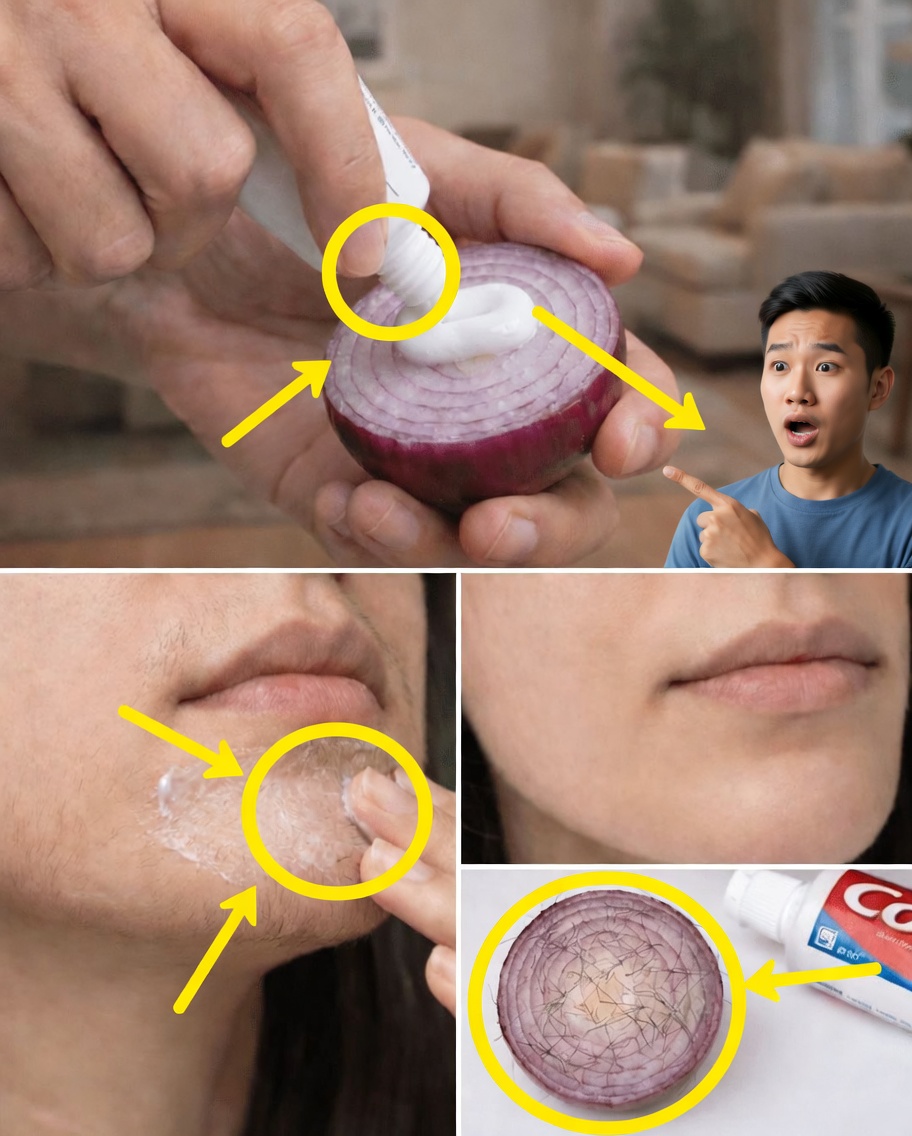
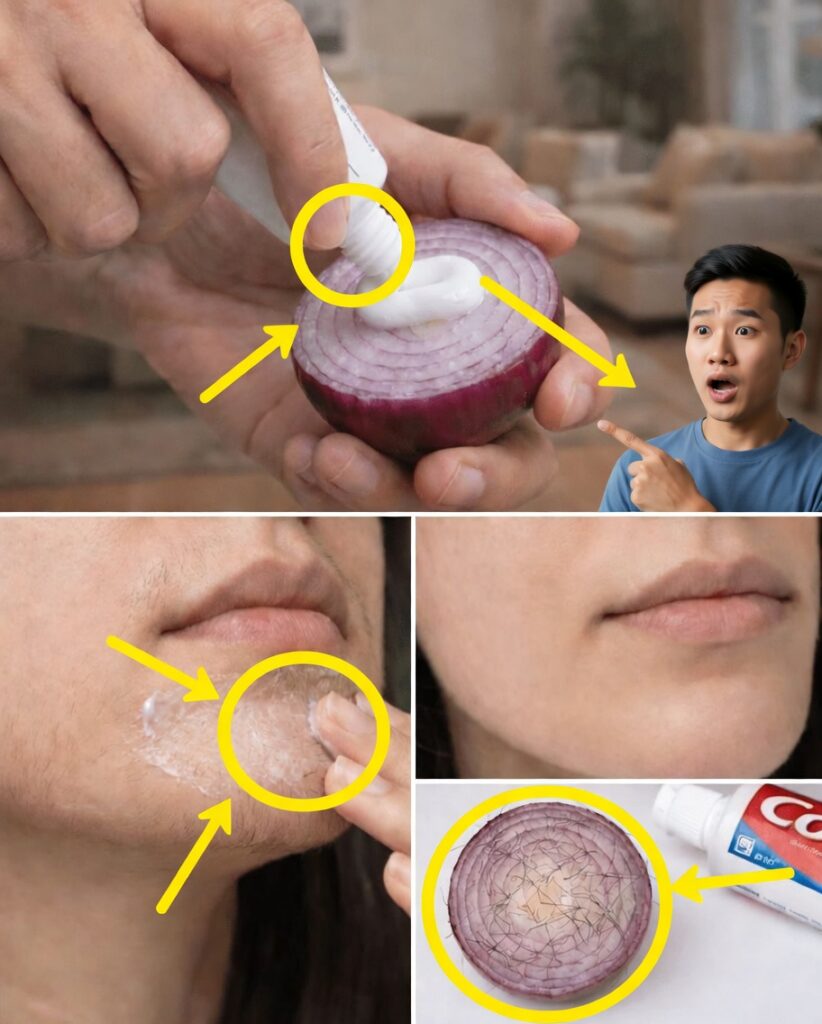
A trending DIY remedy shared online uses toothpaste and onion as a simple at-home paste that some people believe may help gently exfoliate and calm irritated skin. It’s not a proven long-term fix, but the idea is based on common ingredients that may support smoother-looking results when used consistently. Below is what this hack claims to do, how to try it, and what to watch out for.
Why Shaving Often Causes Razor Burn and Ingrown Hairs
Razor burn and ingrown hairs usually happen when shaving disrupts the skin barrier or cuts hair in a way that encourages it to grow back into the skin. Common triggers include:
- Dull blades that tug hair and increase friction
- Dry shaving or shaving with minimal lubrication
- Pressing too hard and scraping the surface
- Shaving against the grain, which can raise ingrown-hair risk
Dermatology guidance often points to friction and technique as key contributors. When the skin becomes inflamed, it can feel like stinging, tenderness, or small bumps—sometimes lasting several days. That’s why many people look for gentle ways to reduce roughness and calm irritation without harsh scrubs or aggressive treatments.
How the Toothpaste and Onion Paste Is Thought to Work
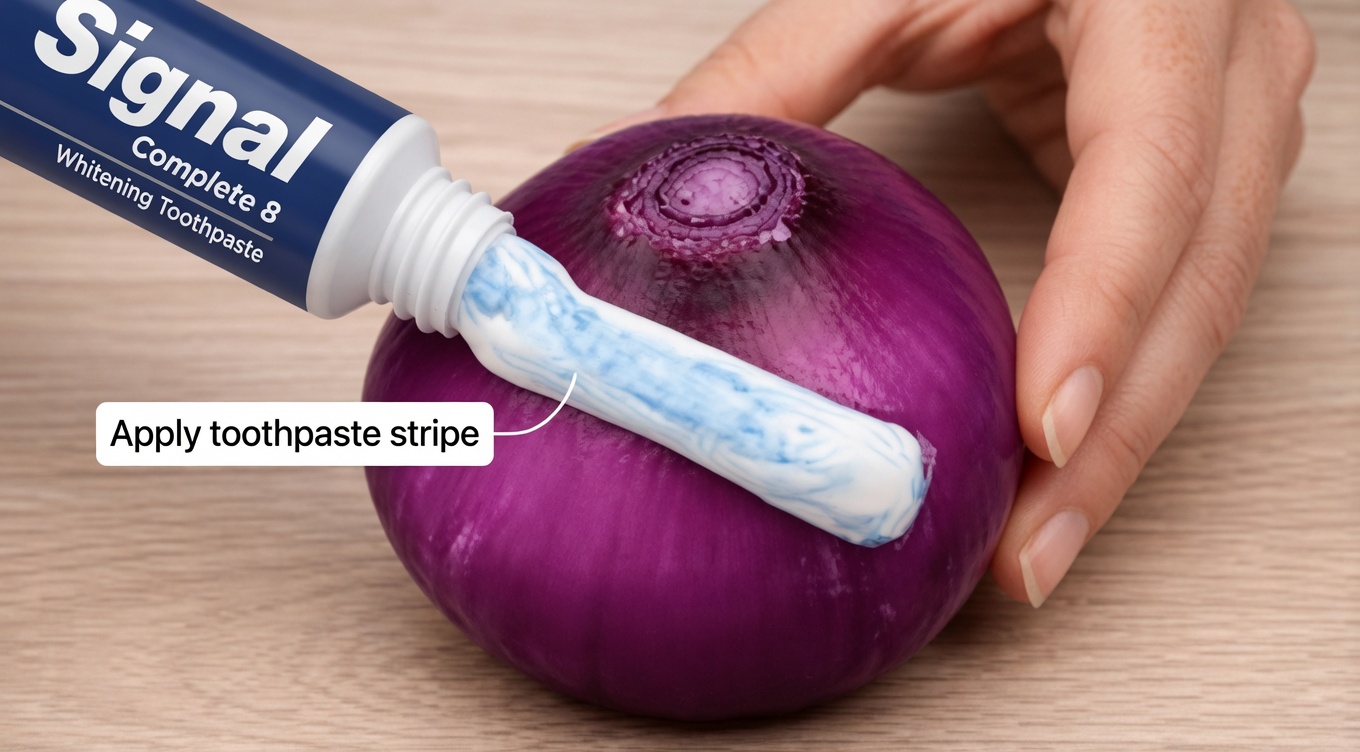
The DIY method involves mixing onion juice or grated onion with a small amount of toothpaste to create a spreadable paste. Supporters of the hack suggest the combination may help with surface smoothing and post-shave discomfort because:
- Toothpaste often contains mild abrasives (such as baking soda or silica) that can lift dead skin cells.
- Onion contains sulfur compounds and antioxidants (including quercetin) that are frequently discussed in traditional wellness uses for soothing and skin support.
This approach is meant to be mild and temporary, not a substitute for medical treatment. Also, onion can irritate some skin types, so a patch test is essential before using it on larger areas.
Potential Benefits People Report
1) Gentle Exfoliation for a Smoother Feel
After shaving, dead skin buildup can make the skin feel rough and contribute to that “prickly” texture as hair starts to grow back. The mild polishing effect of toothpaste may help remove surface dullness, while onion is often described as a calming addition in DIY routines. Many people who try this hack pair it with a good moisturizer and say their skin feels softer over time.
2) Cooling Comfort for Post-Shave Irritation
Redness and stinginess after shaving can be hard to ignore. Some toothpastes include ingredients like menthol, which can create a quick cooling sensation. Combined with onion’s commonly discussed soothing properties, users often describe less itchiness and a calmer feel—especially on legs and underarms.
3) Possible Improvement in the Feel of Hair Regrowth (Anecdotal)
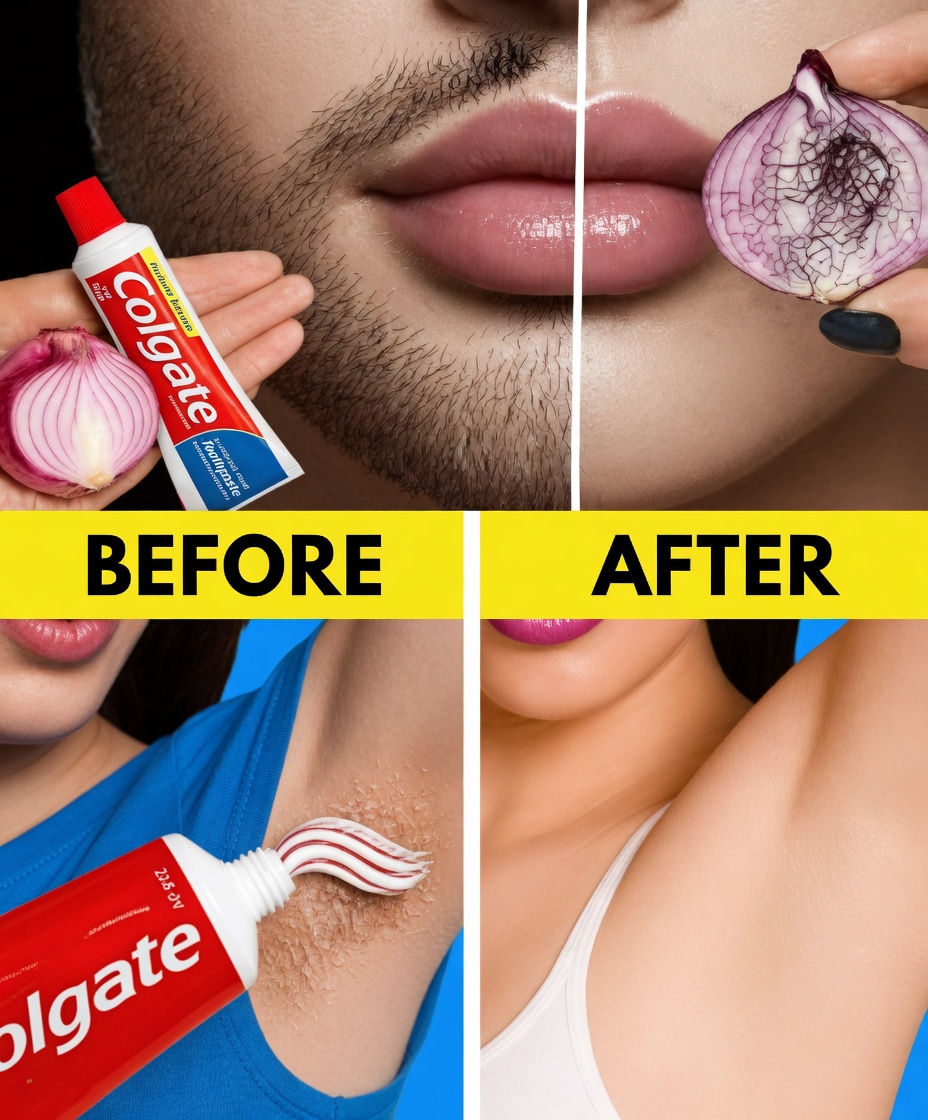
One reason this hack gets attention is the idea that onion’s sulfur compounds might affect how hair grows back. It’s important to be realistic here:
- Research on onion tends to focus on scalp hair in specific conditions (such as alopecia areata), not body-hair reduction.
- Claims about slowing body hair regrowth are largely folk-based and anecdotal.
Still, some users say the hair feels less coarse as it returns, possibly because exfoliation helps keep the surface smoother and reduces rough edges at the skin line.
4) Support for Cleaner-Looking, Less Bumpy Skin
Ingrown hairs can worsen when pores are congested or when bacteria aggravate inflamed follicles. Onion is often described as having antimicrobial qualities, and toothpaste has a “cleansing” reputation in DIY skincare conversations. Together, they may help some people reduce the look of bumps when paired with good hygiene and gentle exfoliation.
5) A Low-Cost Option Using Everyday Ingredients
Compared with salon services or specialty post-shave products, this method is appealing because it’s inexpensive and accessible. If you already have onions and toothpaste at home, the per-use cost is minimal—making it a common “budget beauty” experiment.
Quick Comparison: Common Hair Removal Options vs. This DIY Hack
- Razor shaving: Affordable and convenient, but can cause frequent irritation and requires regular upkeep
- Waxing: Longer-lasting smoothness, but can be painful and may trigger redness
- Laser hair removal: Can reduce hair long-term, but costs more and requires multiple sessions
- Toothpaste + onion paste: Very low cost and focused on exfoliation/soothing, but results vary and are not proven permanent
How to Try the Toothpaste and Onion Hack Safely
Ingredients and steps
- Prepare the onion
- Grate a small white onion (often considered milder in scent), then squeeze to collect juice, or use finely grated pulp.
- Mix
- Combine 1–2 tablespoons onion juice/pulp with 1 tablespoon plain toothpaste.
- Apply
- Spread a thin layer on clean, dry skin (legs, underarms, etc.).
- Leave it on for 10–15 minutes.
- Rinse and moisturize
- Wash off with cool water, pat dry, then apply a gentle moisturizer.
- Frequency
- Start with 2–3 times per week and adjust based on your skin’s response.
Optional add-on
- Add one drop of honey for extra moisture if your skin tends to feel dry (avoid if you’re acne-prone in that area or if honey irritates you).
Patch test (non-negotiable)
Apply a small amount to the inner arm and wait 24 hours. If you notice burning, swelling, itching, or a rash, do not use it on larger areas.
Building a Better Post-Shave Routine
The toothpaste-and-onion paste is an interesting DIY approach that may support gentle exfoliation and short-term soothing, but it works (if at all) differently for everyone. For better overall results, pair any experiment with solid shaving and skincare habits:
- Shave with a fresh, clean blade
- Use shaving gel/cream instead of shaving dry
- Moisturize consistently to protect the skin barrier
- Cleanse gently and avoid harsh scrubbing right after shaving
FAQ
Is the toothpaste and onion hack safe for all skin types?
Not always. Sensitive skin may react, and onion can be irritating. Always patch test first and stop immediately if discomfort increases.
How soon could I notice smoother skin?
Some people claim they notice changes within 1–2 weeks with regular use, but results depend on skin type, shaving habits, and consistency.
Can this replace professional hair removal methods?
No. This is a DIY skincare experiment, not a proven permanent hair removal solution. For long-term reduction, speak with a dermatologist about options like laser treatments.
Important Note
This article is for informational purposes only and is not medical advice. The toothpaste-and-onion approach is based mainly on anecdotal experiences and traditional uses, and scientific evidence supporting hair removal or major skin benefits is limited. Consult a healthcare provider or dermatologist before trying new topical remedies—especially if you have sensitive skin, allergies, or an existing skin condition.