Did you know that more than 70% of Americans aged 65+ live with some level of vision impairment, and that age-related macular degeneration (AMD) affects millions—sometimes progressing to permanent vision loss? It can start quietly: you wake up, reach for your glasses, and notice the room looks slightly fuzzier than it did yesterday. Reading becomes tiring, night driving feels unsafe, and recognizing familiar faces from across the room takes real effort.
Before we continue, give yourself a quick score: On a scale of 1–10, how confident are you in your eyesight today? Keep that number in mind.
Now imagine this: three simple, everyday seeds, highlighted in longstanding Eastern longevity traditions and supported by modern nutrition research, may help protect the retina, calm inflammation, and support long-term eye function. This isn’t a trendy “miracle cure.” It’s a food-first approach that aligns with what science already knows about omega-3s, antioxidants, and retinal protection—and it’s surprisingly easy to apply.
The Silent Thief: Why Vision Often Declines After 60
For many people, the changes begin after 60 with small warnings:
- needing brighter light to read
- more frequent floaters
- extra sensitivity to glare
- slower adjustment to darkness
Research also suggests that over half of adults over 60 report issues such as dry eyes, blurred vision, or early AMD-related symptoms. It’s more than annoyance—over time, inflammation and oxidative stress can contribute to:
- chronic dry eye syndrome
- worsening AMD (potentially leading to legal blindness)
- cataract progression and hazier vision
Ask yourself another quick question: On a scale of 1–5, how often do you deal with dryness, strain, or poor night vision?
Many people try eye drops, stronger lenses, or various eye supplements. Those options can help, but they often focus on symptom relief instead of addressing deeper drivers like nutrient gaps, inflammation, and oxidative damage. A natural, food-based strategy can be a powerful complement—especially when it’s simple enough to do every day.
Seed #1: Chia Seeds — Omega-3 Support for Dry Eyes and Inflammation
Imagine being in your 70s like Sarah, a retired teacher who struggled with persistent dry eyes. Drops helped briefly, but the irritation kept coming back—making reading and screen time exhausting.
She made one change: 1 tablespoon of chia seeds stirred into her morning oatmeal. Within a few weeks, she felt a noticeable shift. The constant “gritty” feeling eased, and her eyes felt more comfortable throughout the day. Even her eye doctor noted better tear stability.
Why chia can help eye health:
- Chia seeds are rich in ALA omega-3 fatty acids (a plant-based omega-3).
- Omega-3 intake is linked in research to lower inflammation and may support tear function, which is critical for dry eye comfort.
- Organizations and studies, including those referenced by major health institutions, frequently connect omega-3s with improved dry eye symptoms in many older adults.
Practical tip: Soak chia seeds overnight to make them easier to digest and absorb—try mixing them with almond milk for a simple chia pudding.
Quick self-rating: If your dry eye discomfort is above a 5/10, chia may be an easy first step.
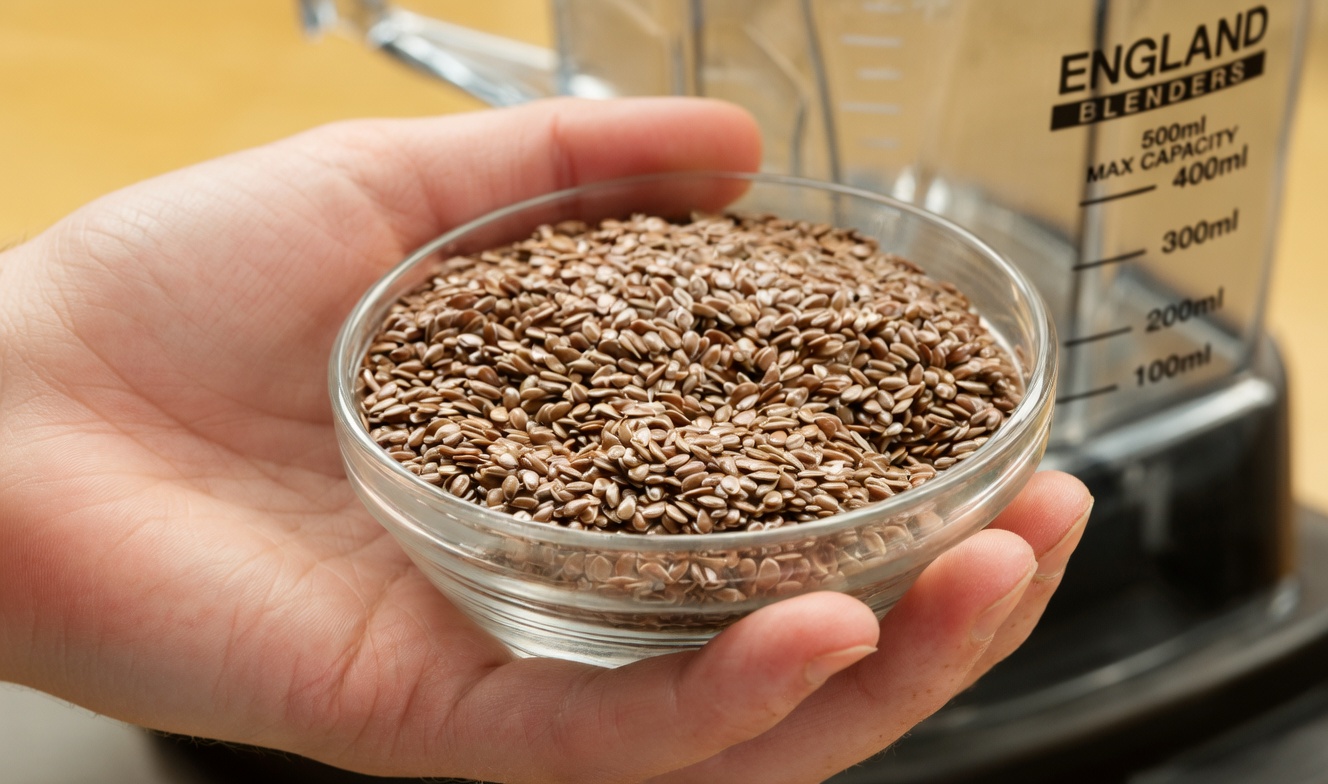
Seed #2: Flax Seeds — Lignan + Omega-3 Protection for the Macula
Have you noticed fine print getting harder to read, or your central vision feeling “off”? Robert, 68, faced that fear when he was diagnosed with early AMD. He worried about losing the precision he needed for hobbies like woodworking.
He started adding freshly ground flax seeds to smoothies daily. After a few months, his follow-ups suggested his condition was stable, and he personally felt more confident seeing details again.
What makes flax seeds so valuable for vision support:
- Flax provides even more ALA omega-3 per gram than chia.
- It also contains lignans, plant compounds with antioxidant activity.
- Antioxidants help reduce oxidative stress—one of the major processes that can harm retinal cells over time.
- Better nutrient intake may also support circulation that nourishes the macula.
Insider move: Grind flax seeds fresh (or buy whole seeds and grind small batches). Pre-ground flax can lose potency faster due to oxidation.
Self-check: How concerned are you about macular health (1–5)? If it’s high, flax is a strong addition to your routine.
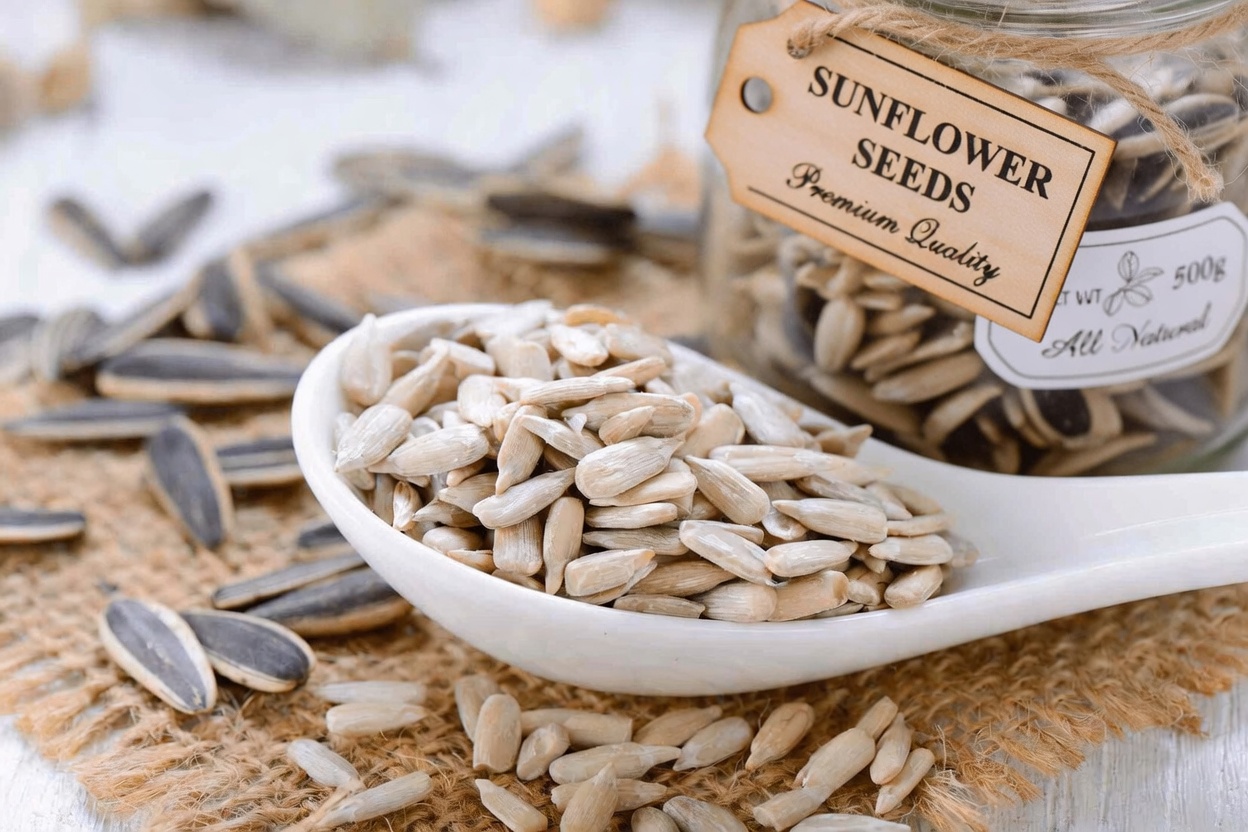
Seed #3: Sunflower Seeds — Vitamin E Defense Against Oxidative Damage
Sunflower seeds are often dismissed as “just a snack,” but they’re one of the easiest ways to get more vitamin E, a fat-soluble antioxidant essential for protecting eye tissue.
Emily, 72, loved gardening but felt her vision clarity fading—especially when trying to spot small weeds or fine details. She began adding a small handful of sunflower seeds to salads and snacks. Over time, she felt her vision fatigue decreased and her day-to-day clarity improved.
How sunflower seeds support eye health:
- Vitamin E helps neutralize free radicals—often described as the “rusting” effect of oxidative damage.
- Large research efforts (including well-known AMD nutrition studies such as AREDS) have examined how antioxidant nutrients, including vitamin E (in combination with other key nutrients), may help slow progression in some people at risk.
- Sunflower seeds also contain zinc, which supports normal retinal function.
Pro tip: Lightly roast for flavor, but avoid heavy scorching. Combine with fruit for a simple trail mix.
Pause and identify your biggest issue right now: dryness, blur, night vision, or eye fatigue? This three-seed approach targets common drivers behind all of them.

Why These 3 Seeds Work Better Together (The Synergy Factor)
When combined, these seeds create a practical nutrition stack:
- Omega-3s (chia + flax) help calm inflammation and may improve tear stability.
- Antioxidants (flax lignans + sunflower vitamin E) help reduce oxidative stress that can harm retinal cells.
- Zinc (sunflower) supports retinal and overall eye function.
Quick reference table (daily suggestions)
| Seed | Standout Nutrients | Main Eye-Related Benefit | Simple Daily Amount |
|---|---|---|---|
| Chia | Omega-3 (ALA) | Supports inflammation balance and dry eye comfort | 1–2 tbsp |
| Flax | Omega-3 (ALA) + lignans | Antioxidant support for macula/retina | 1 tbsp (ground) |
| Sunflower | Vitamin E + zinc | Helps defend against oxidative damage | ~1/4 cup |
Easy combo idea: Mix all three into yogurt for a quick “vision-support bowl.”
Everyday Habits That Quietly Harm Eyes (And How Seeds Help)
Some common routines can accelerate eye strain and inflammation:
- High added sugar intake can increase inflammatory stress
- Seeds provide healthy fats and fiber that support steadier nutrition.
- Too much screen time can worsen dryness and fatigue
- Antioxidants and omega-3s support recovery and comfort.
- Poor sleep reduces nighttime repair
- Nutrient-dense foods help support the body’s natural restoration processes.
Key principle: Consistency beats intensity. Small daily habits often outperform occasional “big efforts.”
Mini Quiz: Check Your Eye-Health Knowledge
- How many seeds are in this routine? 3
- What’s the antioxidant that helps fight “rusting” damage? Vitamin E
- What’s your biggest struggle right now (dryness, blur, night vision, fatigue)? Choose one
- Compare your eyesight confidence score (1–10) from the beginning to now—did anything shift?
Simple Ways to Eat These Seeds Every Day (No Diet Overhaul Required)
| Meal | What to Add | Why It Helps |
|---|---|---|
| Breakfast | Chia in oatmeal or yogurt | Supports hydration/comfort from the start of the day |
| Lunch | Ground flax in salad or soup | Reinforces macula-focused antioxidant support |
| Snack | Sunflower seeds in a small handful | Quick vitamin E boost |
| Dinner | Blend all three into a smoothie | Easy “full stack” routine |
What to expect (realistic timeline)
- Week 1: easier routine, better nutrition consistency
- Month 1: many people notice less strain or dryness triggers
- Month 3: improvements may become more noticeable and stable
Extra synergy tip: Add berries or leafy greens for additional eye nutrients (like lutein and other carotenoids), creating a stronger overall eye-friendly pattern.
The True Game-Changer: Lifestyle Habits That Multiply the Benefits
Seeds work best when your daily habits support your eyes, too:
- Drink enough water to support tear film stability
- Follow the 20-20-20 rule for screens (every 20 minutes, look 20 feet away for 20 seconds)
- Spend some time outdoors (safe sunlight exposure supports overall wellness)
- Prioritize sleep—because nighttime is when the body performs much of its cellular repair, including processes that help maintain healthy tissues over time
If you remember only one thing: protecting your vision after 60 is rarely about one pill or one hack—it’s about steady nourishment and repeatable habits. These three seeds make that consistency surprisingly achievable.