What’s Actually True About Aloe Vera
Aloe vera is widely used in natural skin care and traditional remedies. While it’s not a “super antibiotic,” it does contain plant-based compounds that can offer mild antimicrobial support, especially when applied to the skin.
Antibacterial and Antifungal Properties of Aloe Vera
Aloe vera includes several naturally occurring substances with antimicrobial potential, such as:
- Aloin
- Saponins
- Salicylic acid
- Phenolic compounds
These components may help slightly reduce the growth of certain microbes, including:
- Candida albicans (a common fungus)
- E. coli
- Staphylococcus aureus
However, aloe’s antimicrobial action is much weaker than prescription antibiotics or antifungal medications and should not be considered a substitute for medical treatment.
How Aloe Vera Compares to Other Antimicrobial Substances
Here’s a practical comparison of commonly discussed antibacterial options:
-
Antibiotics
- Strength: Very high
- Notes: Clinically tested and designed to target specific bacteria
-
Garlic (allicin)
- Strength: Moderate
- Notes: Demonstrates bacteria-killing effects in laboratory (in vitro) studies
-
Lemon (citric acid)
- Strength: Mild
- Notes: Antimicrobial impact is mainly due to acidity
-
Aloe vera
- Strength: Mild to moderate
- Notes: Most useful topically; systemic benefits are not well proven
There is no credible scientific evidence showing aloe vera is “150 times stronger” than these substances.
When Aloe Vera Is Most Useful
Aloe vera has evidence-based and traditional uses, particularly for external care. It may be helpful for:
- Minor burns and small wounds
- Mild skin infections
- Moisturizing and calming irritated skin
- Mouth ulcers (some studies suggest aloe vera mouthwash can improve symptoms)
Important Safety Warnings
Before using aloe vera, especially beyond skin application, keep these precautions in mind:
- Avoid taking raw aloe vera internally without medical guidance. It may cause abdominal cramping, diarrhea, and in some cases kidney-related complications.
- Aloe latex (the yellow sap found under the leaf skin) contains strong laxative compounds and has been banned from over-the-counter laxative products by the FDA due to safety concerns.
Simple Recipe: Aloe Skin-Soothing Gel (External Use Only)
For a gentle, skin-friendly option you can apply topically:
Ingredients
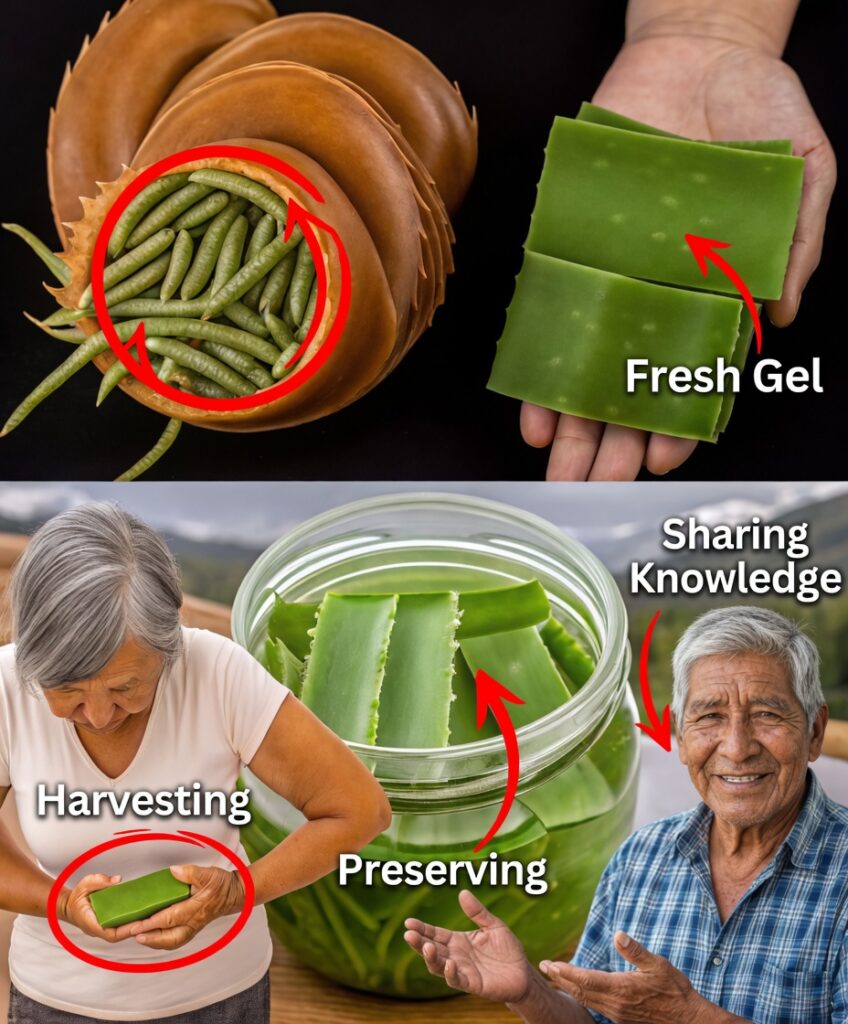
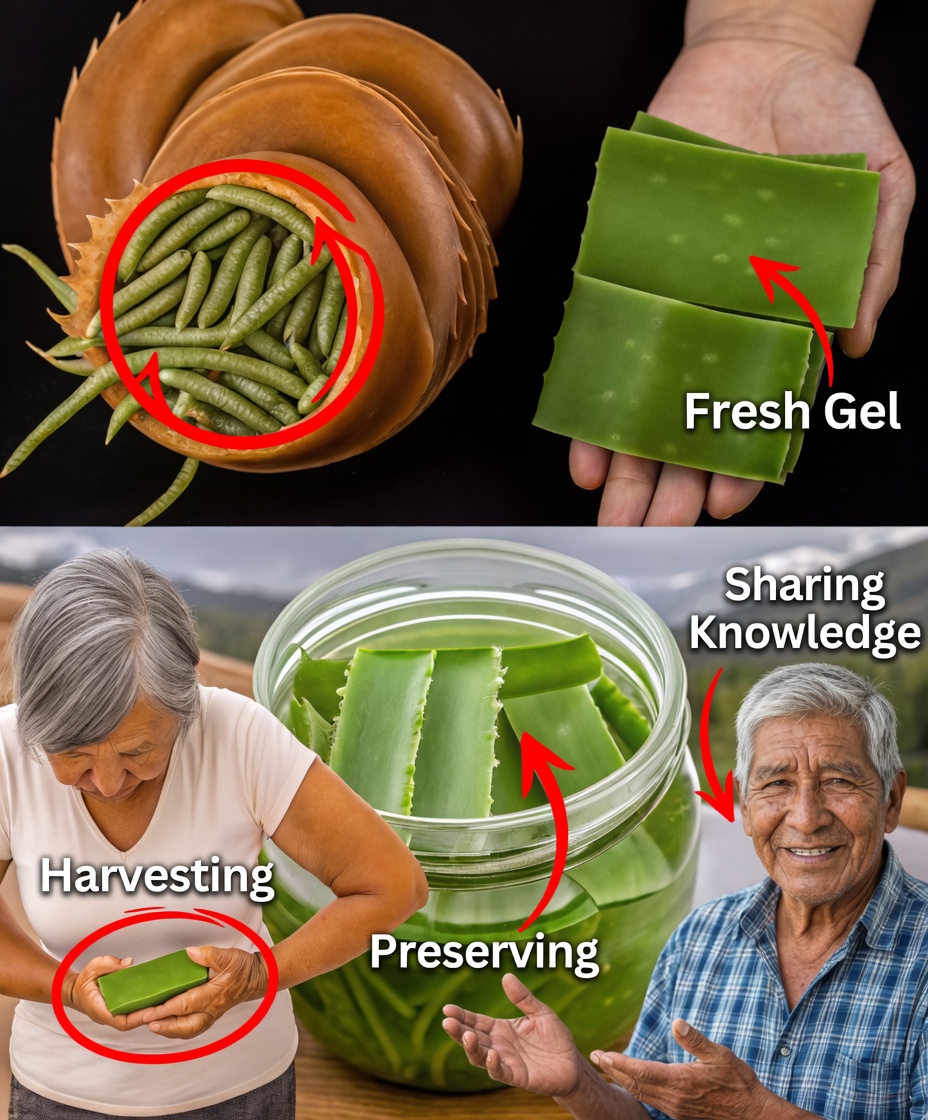
- 2 tbsp fresh aloe vera gel (use only the clear inner gel)
- 1 tsp coconut oil
- 2 drops tea tree oil (optional)
Directions
- Mix the ingredients thoroughly.
- Apply a thin layer to the affected area to support soothing and mild antimicrobial care.
Final Verdict
Aloe vera can be a valuable natural remedy for skin-related healing and irritation, with mild antibacterial and antifungal properties. Still, it is not a clinical replacement for antibiotics, and it is not scientifically proven to outperform garlic or lemon in the way some claims suggest.