Guava Leaf Hair Treatment (Natural, At-Home Remedy)
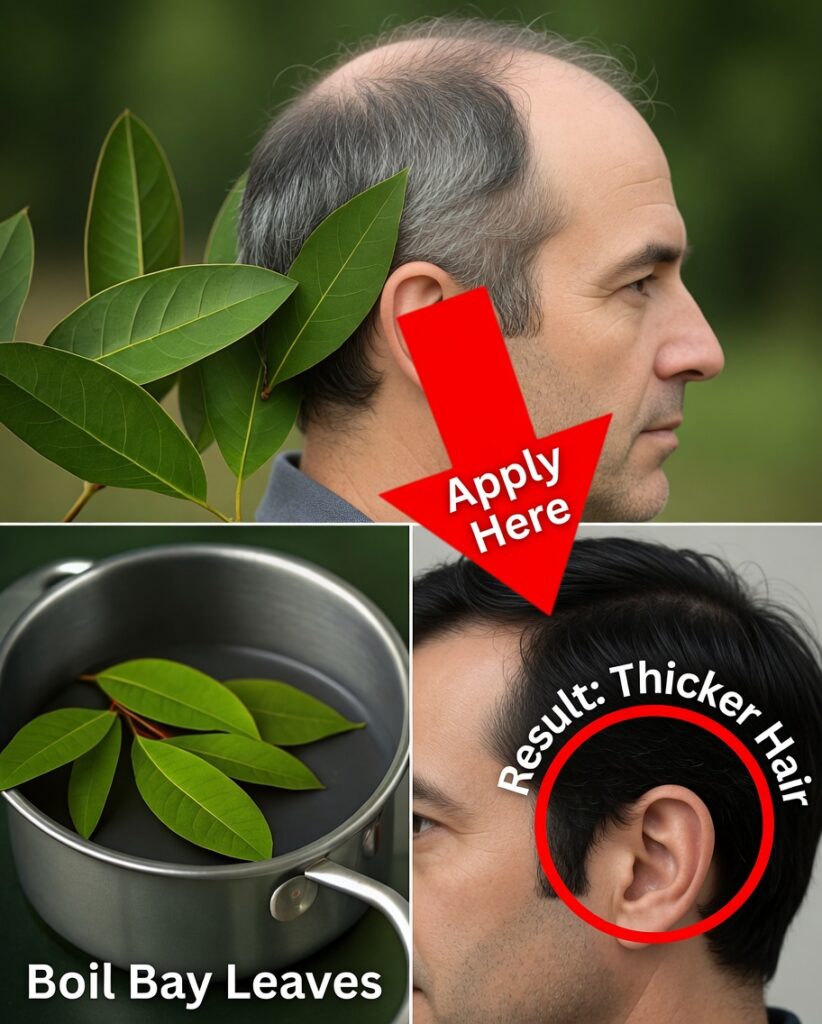
Guava leaf rinse is a simple, plant-based hair care method often used to help support stronger-looking hair, a healthier scalp, and overall hair vitality. With regular use, it may improve the feel and appearance of your hair, especially if you’re also following a nutrient-rich routine.
Ingredients
- 1 handful of fresh guava leaves
- 1 liter of water
- Optional: A few drops of rosemary oil or castor oil (commonly used to support hair growth and scalp conditioning)
Preparation Steps
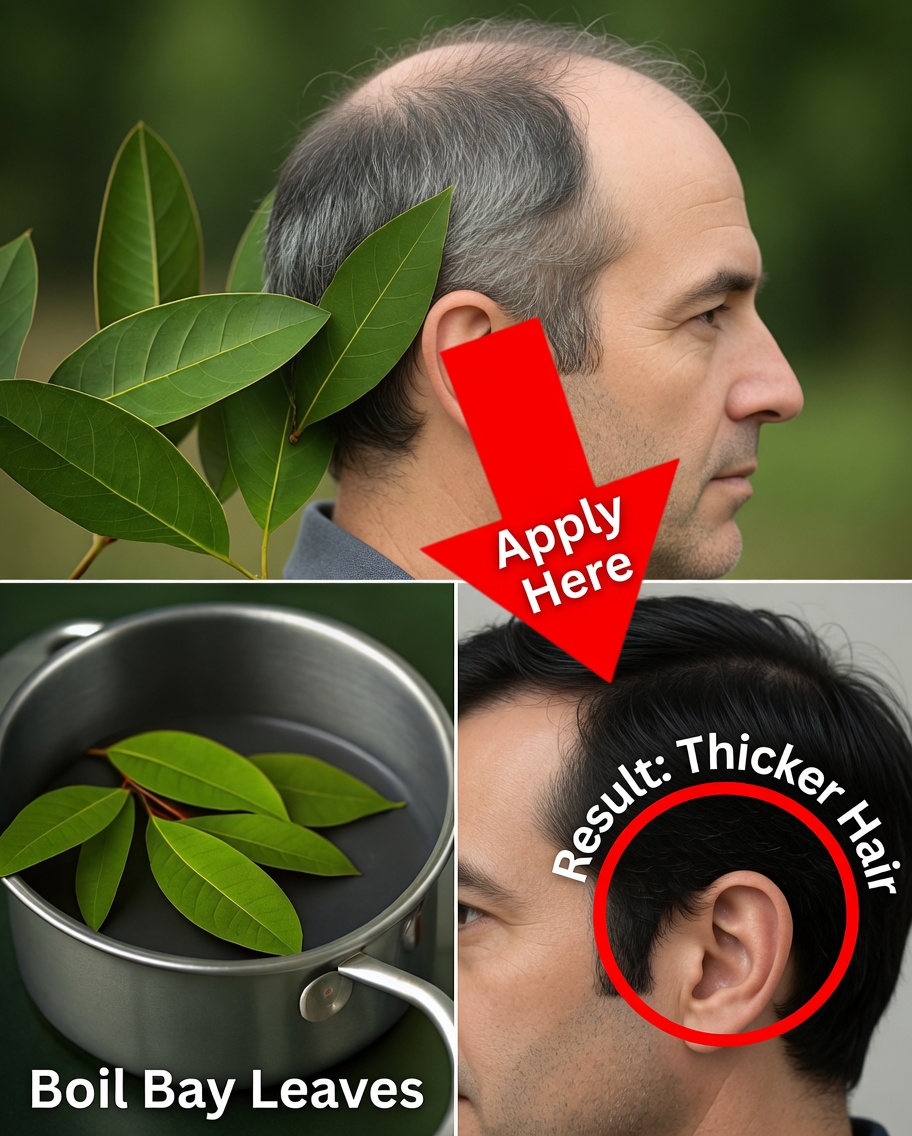
- Add the guava leaves to 1 liter of water.
- Boil for 15–20 minutes.
- Allow the mixture to cool completely.
- Strain out the leaves.
- Transfer the liquid into a spray bottle, or keep it in a bowl for direct application.
How to Use It on Your Hair
- Wash your hair and towel-dry until damp.
- Apply the guava leaf water to your scalp and massage for about 10 minutes.
- Work the rinse through your hair from roots to ends.
- Leave it on for 1–2 hours, or overnight for a deeper treatment (wear a shower cap).
- Rinse with lukewarm water. If your hair is already clean, you can skip shampoo.
- Use this treatment 2–3 times per week for consistent results.
Tips to Support Hair Growth and Help Delay Early Graying
- Choose foods rich in biotin, iron, zinc, and vitamin B12.
- Once a week, apply coconut oil mixed with curry leaves to nourish the scalp.
- Try onion juice on the scalp (effective for many people, but the smell is strong).
- Reduce damage by limiting heat styling and avoiding harsh shampoos.
The Honest Truth About Results
- Guava leaves will not instantly turn gray or white hair back to black. However, consistent use may help improve hair strength, scalp health, and overall hair quality.
- If you notice early graying, common causes include genetics, stress, and nutrient deficiencies. A doctor or dermatologist can help identify the underlying reason and guide the best treatment plan.