White Clover (Trifolium repens): A Small Lawn Plant With Big Herbal Value
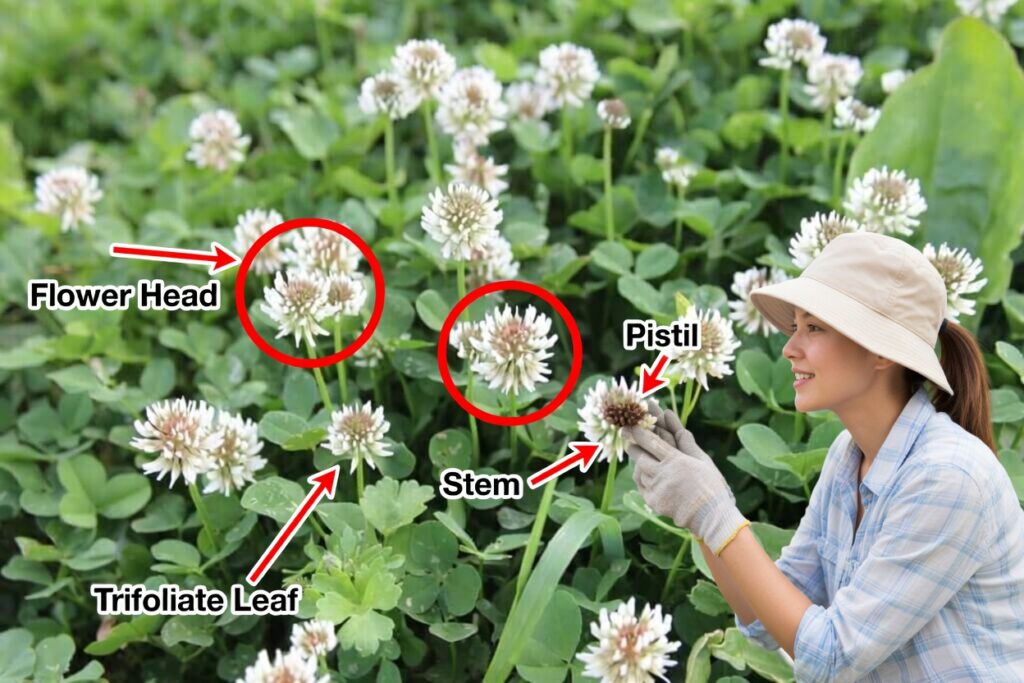
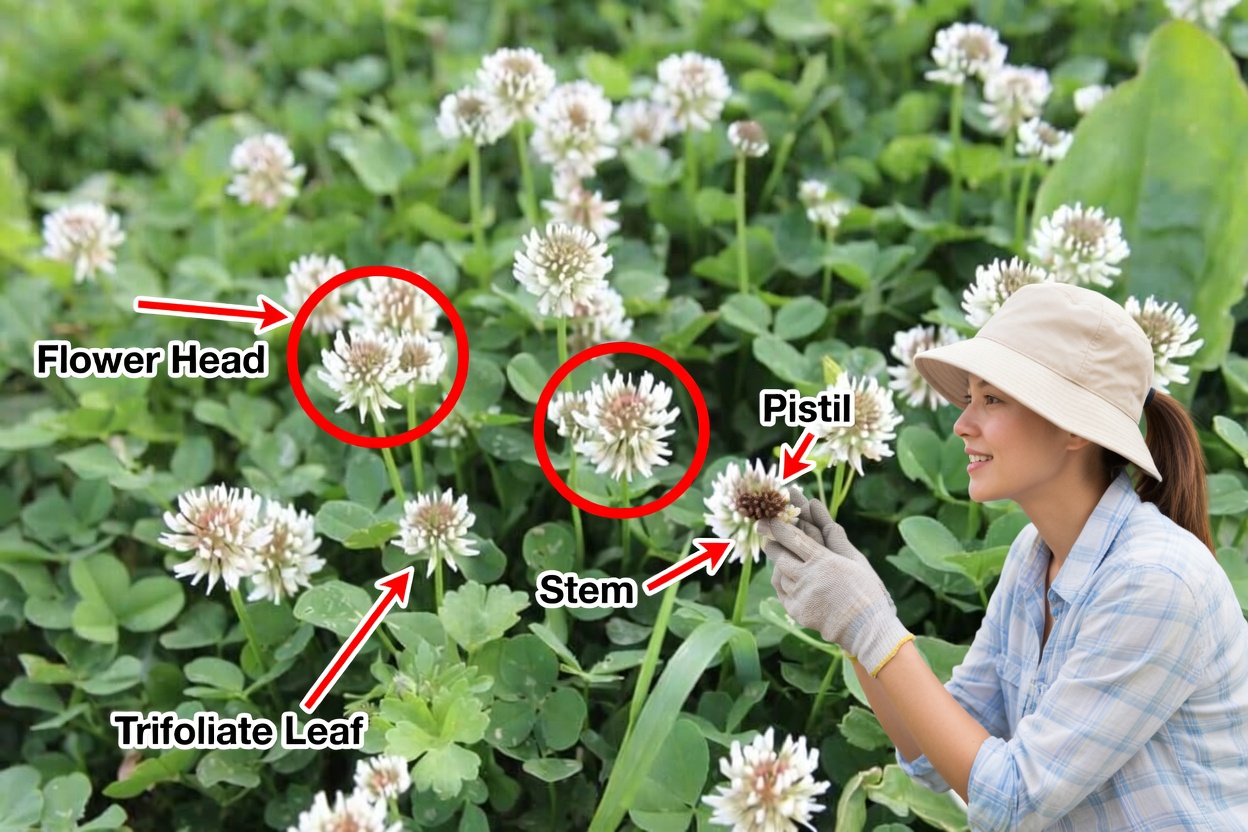
White clover, scientifically known as Trifolium repens, is a low-growing wild legume that commonly spreads through lawns, meadows, fields, and garden edges. It’s easy to recognize by its three-lobed leaves and clusters of small white blossoms. Although many people treat it as simple ground cover, white clover has a long history in traditional folk and herbal practices and is valued for its gentle, supportive properties.
15 Evidence-Informed Traditional Benefits of White Clover
Below are widely cited ways white clover has been used in natural wellness traditions. (As with most herbs, benefits can vary by person and preparation.)
-
Supports natural detox pathways
Traditionally used to help the body’s cleansing processes and support the liver and kidneys. -
Helps calm inflammation
Commonly used to ease mild muscle or joint discomfort, both internally and in topical applications. -
Traditional “blood cleansing” herb
Used in folk medicine to support circulation and overall blood health. -
Nutrient-dense plant
Contains helpful compounds and is often noted as a source of vitamins A, B, and C, plus minerals such as calcium and magnesium. -
Respiratory comfort
White clover tea is sometimes used to soothe coughs, colds, and mild bronchial irritation. -
Promotes minor skin recovery
Applied externally, it may support the healing of small cuts, scrapes, and minor burns. -
Mild diuretic action
Traditionally used to encourage urine flow and help with water retention. -
Menstrual comfort support
Some herbal traditions use it to help ease mild cramps and support hormonal balance. -
Antioxidant support for immunity
Antioxidant compounds may help reinforce normal immune function. -
Gentle antiseptic use
Used as a mild cleansing rinse in basic skin care and wound support routines. -
Relaxation and calming effects
Flower tea is sometimes used to ease stress and mild anxious feelings. -
Digestive ease
Traditionally used to help reduce bloating and support gentle digestion. -
Anti-aging support
Antioxidants may help the body manage oxidative stress, which is linked with cellular aging. -
Long-term liver support (traditional use)
Often included in herbal routines focused on liver wellness and cleansing support. -
May help improve skin appearance
People use clover tea or topical preparations to support a clearer-looking complexion.
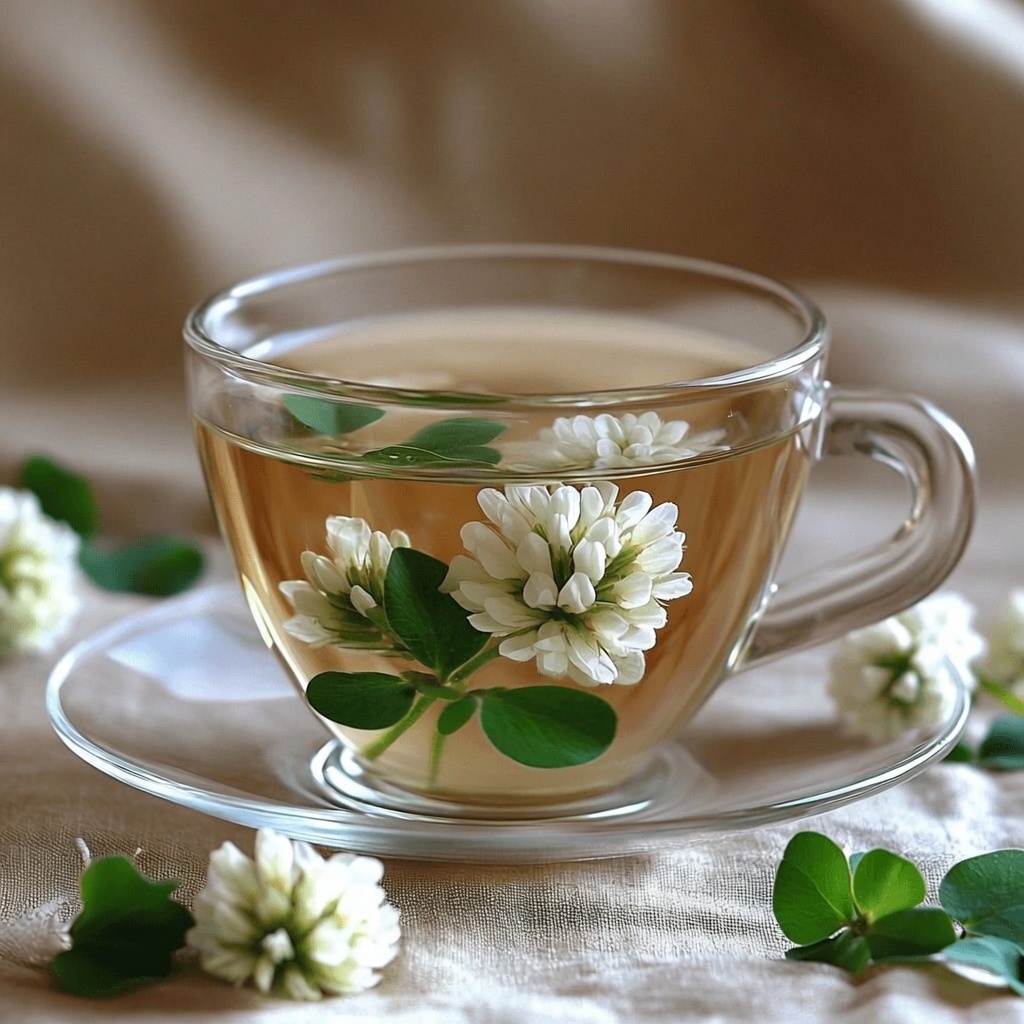
How to Make White Clover Tea (Easy Herbal Tea Recipe)
Ingredients
- 1 tablespoon fresh white clover flowers and leaves
or 1 teaspoon dried clover - 1 cup hot water (hot, but not boiling)
Instructions
- If foraged, rinse the clover well to remove dust and debris.
- Add the clover to a cup or teapot.
- Pour hot water over the herbs and cover.
- Steep for 5–10 minutes.
- Strain and enjoy warm. Optional: add honey or lemon.
Suggested use: Many people drink 1–2 cups per day as part of a routine supporting relaxation, digestion, immunity, and gentle detox support.
Other Popular Homemade Uses for White Clover
- Infused oil: Steep flowers in olive or coconut oil for about 2 weeks in a sunny spot. Use on dry skin, rashes, and minor burns.
- Skin wash/toner: Brew a strong tea, cool it, and use as a gentle rinse for acne-prone or irritated skin.
- Tincture: Soak fresh flowers in vodka for 4 weeks. Common traditional use is 10–20 drops in water to support circulation and immunity.
- Herbal bath soak: Add a handful of clover to bathwater for a relaxing, skin-soothing soak.
- Poultice: Crush fresh leaves into a paste and apply to bites, stings, or small wounds.
- Smoothie add-in: Blend a small amount of young leaves into a green smoothie for a nutrient lift.
Precautions and Safety Notes
Use white clover thoughtfully and in moderation. Avoid use if you are pregnant, breastfeeding, or taking medications, unless a qualified healthcare professional confirms it’s appropriate. Always ensure correct plant identification and choose clover that is pesticide-free and harvested from clean areas.
Final Takeaway
White clover is far more than a common “weed.” In traditional herbal use, it’s valued as a gentle cleanser, calming tea herb, and skin-supporting plant. Whether you try a simple cup of tea or a homemade infused oil, white clover offers an easy way to explore nature-based self-care from the inside out.