American Sweetgum Tree: Uses, Traditional Benefits, and Simple Home Remedies
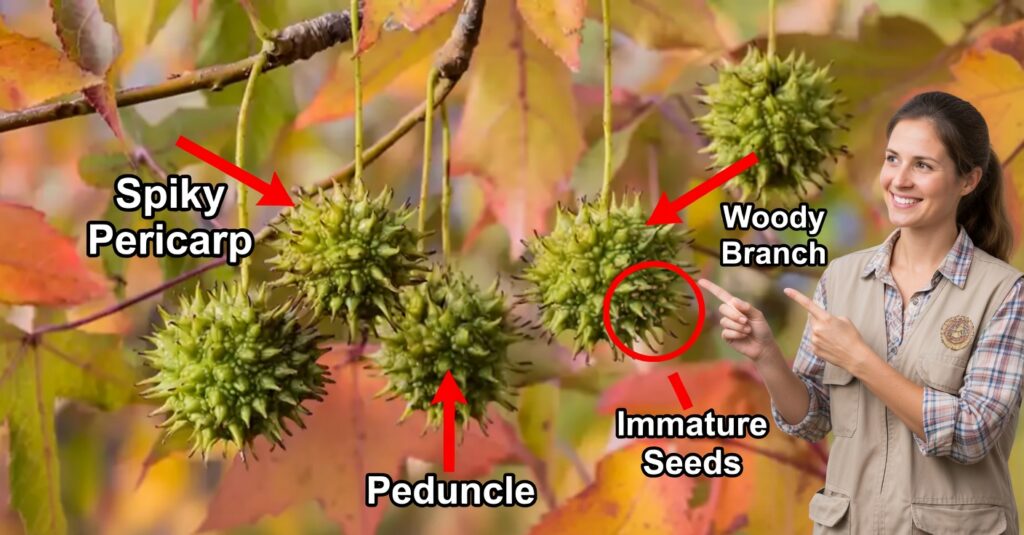
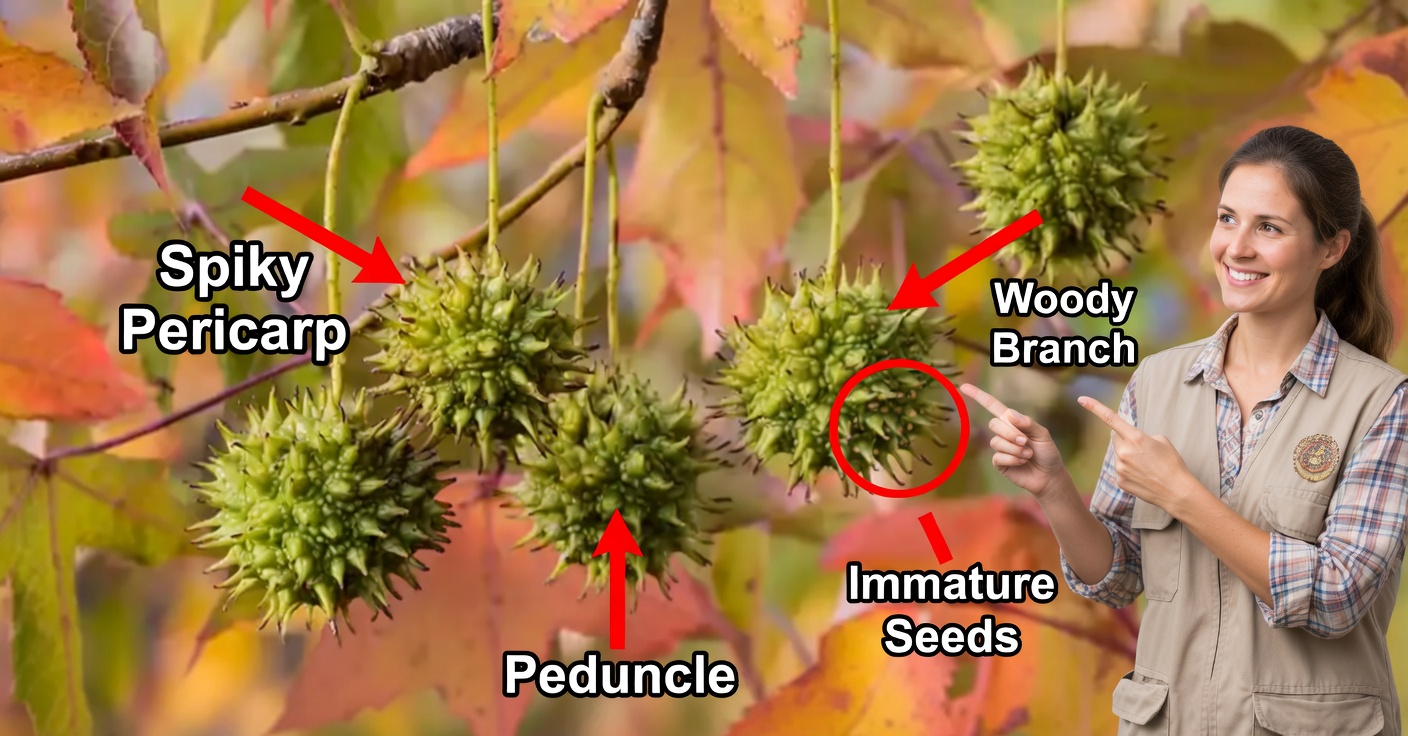
The American sweetgum tree (Liquidambar styraciflua) is hard to miss—tall and sturdy, with star-shaped leaves that glow red, orange, and gold in autumn. Many homeowners remember it for the spiky seed balls that litter sidewalks and lawns. Yet beyond its ornamental value (and mess), sweetgum has a long record in traditional and folk medicine. From its sticky resin (sap) to its green seed pods, this tree has been used in practical ways for generations.
25 Traditional Benefits of the American Sweetgum Tree
Below are commonly reported folk uses and practical benefits associated with sweetgum. These claims come from traditional practices and are not all confirmed by modern clinical research.
-
Supports the body during viral seasons
Green seed balls are said to contain compounds associated with antiviral activity. -
May strengthen immune response
Homemade sweetgum tinctures are traditionally used when people feel run down. -
Helps ease cold and flu discomfort
Folk use includes relief for cough, sore throat, and chills. -
May help open the airways
Some use it to feel less congested and breathe more freely. -
Loosens mucus
Traditionally believed to make phlegm easier to clear. -
Cleans minor cuts and scrapes
The resin has been used as a natural cleanser for small wounds. -
Soothes irritated or itchy skin
When blended with oils, resin is applied to calm redness and itching. -
Relieves mild aches
Used historically for minor pain or sore muscles. -
Naturally repels insects (traditional belief)
Crushed green seed balls are used by some as a bug deterrent. -
Used as natural incense
Dried resin can be burned for a pleasant scent. -
Creates a calming, grounding aroma
The warm smell of the resin is often described as relaxing. -
Supports healing of small skin injuries
Applied topically in traditional practice to help minor wounds recover. -
Used to cool the body during fever (folk remedy)
Older traditions mention sweetgum for fever support. -
May help reduce stress
The aroma (and sometimes tea preparations) is believed to promote relaxation. -
Great for crafts and décor
The seed balls are popular in natural and seasonal decorations. -
Improves compost airflow
Seed pods can help keep compost piles from compacting too tightly. -
Traditionally used for digestion support
Chewing the resin was believed to calm an unsettled stomach. -
Soothes tooth discomfort (folk use)
Resin was sometimes placed near a tooth for mild pain relief. -
May relieve sore throat
Bark tea has been used for gargling when the throat is irritated. -
Calms itchy bug bites
Crushed green seed balls are sometimes applied to reduce itching. -
Used as a natural chewing gum
Hardened sap was chewed by Native Americans and early settlers. -
Freshens indoor air (traditional belief)
Burning resin was thought to “clean” the air in a room. -
Mild bark tea for flu-like symptoms (folk use)
A weak tea was traditionally used for short-term comfort. -
Can be used in homemade wood polish
Resin is sometimes mixed into DIY polish to add shine and protection. -
Used for mild fungal spots (folk remedy)
Resin was applied to small areas of suspected skin fungus.

How to Use Sweetgum at Home (Traditional Methods)
These are common, home-style preparations people still make today. Use care, proper identification, and safe handling.
1) Sweetgum Tincture for Cold and Flu Support
What you need
- Green sweetgum seed balls (fresh and green, not brown/dry)
- High-proof alcohol (such as vodka)
- A clean glass jar with a tight lid
Steps
- Rinse the green seed balls and lightly crush them.
- Fill the jar about halfway with the crushed seed balls.
- Pour in alcohol until everything is fully covered.
- Seal and store in a dark place for 4–6 weeks.
- Shake the jar every few days.
- Strain and store the liquid in a dropper bottle.
Traditional use: Take 10–15 drops in water or tea when you feel symptoms starting. Use short-term only (not daily long-term).
2) Natural Sweetgum Healing Salve (Topical)
What you need
- Dried sweetgum resin (collected from bark)
- Olive oil or coconut oil
- Beeswax
Steps
- Gently warm the resin with the oil until infused.
- Strain out any debris if needed.
- Add beeswax and stir until fully melted.
- Pour into small containers and let cool to set.
Traditional use: Apply to minor cuts, dry patches, or bug bites.
3) Burn Sweetgum Resin as Natural Incense
What you need
- Dried resin
- A heat-safe burner or charcoal disc
Steps
- Light the charcoal disc (or preheat your incense burner).
- Place a small piece of resin on top.
- Let the smoke gently scent the room.
Why people do it: The aroma is often described as earthy and calming, and some use it for focus or relaxation.
4) Chew Sweetgum Resin Like Traditional Gum
What you need
- Clean, amber-colored hardened resin from the bark
Steps
- Collect resin pieces that look clean and solid.
- Let them dry completely.
- Chew like gum—do not swallow.
Traditional purpose: Used historically to freshen breath and help with mild tooth discomfort.
5) Bug-Repellent Sachets (Folk Use)
What you need
- Crushed green seed balls
- Dried herbs such as mint or lavender
- Small cloth pouches
Steps
- Combine crushed seed balls with dried herbs.
- Fill pouches and tie closed.
- Place near windows, in closets, or inside drawers.
Traditional belief: Helps discourage bugs and moths naturally.
6) Sweetgum Bark Tea (Use With Extra Caution)
What you need
- A small amount of bark from young branches
- Water
Steps
- Simmer 1 teaspoon of bark in 1 cup of water for 10–15 minutes.
- Cool and strain.
Traditional purpose: Used in small amounts for flu-like discomfort or mild pain. Avoid long-term use.
Safety Notes Before Trying Sweetgum Remedies
- These practices come from traditional knowledge and haven’t all been validated by modern science.
- Avoid use if you are pregnant, breastfeeding, taking medication, or managing a health condition unless a qualified professional approves.
- Do not eat brown, dry seed balls. Traditional preparations typically use green seed balls only.
- Always do a small patch test for topical use to check for irritation or allergy.
- When uncertain, consult a qualified herbal professional or healthcare provider.
Disclaimer
This content is for educational and informational purposes only and is not medical advice. Always speak with a qualified healthcare professional before using any herb, resin, or natural preparation—especially if you are pregnant, nursing, taking medications, or have a medical condition. The author and publisher are not responsible for adverse outcomes from the use or misuse of the information provided. Use at your own risk.
Final Thoughts
The American sweetgum tree may be famous for its prickly “gum balls,” but it also carries a rich history of traditional uses. Whether you’re interested in a homemade salve, a seasonal tincture, or simply the comforting scent of its resin, sweetgum can be more useful than it first appears—when handled carefully and used responsibly.