Ever noticed a clump of broad, ribbed leaves in a lawn or beside a sidewalk and assumed it was just another weed? Large plantain (Plantago major) deserves a second look. Found across the world—including throughout Vietnam—this hardy wild plant is both nutrient-rich and traditionally medicinal. For generations, people have used it for everything from soothing coughs to supporting skin healing, and modern research highlights its valuable compounds, including aucubin and flavonoids.
This guide covers what large plantain is, how to identify it, its potential health benefits, and practical ways to use it in food and home wellness.
What Is Large Plantain (Plantago major)?
Large plantain is a perennial herb known for thriving in tough conditions. It grows readily in fields, gardens, pathways, disturbed soils, and urban green spaces, making it one of the most accessible wild edible plants.
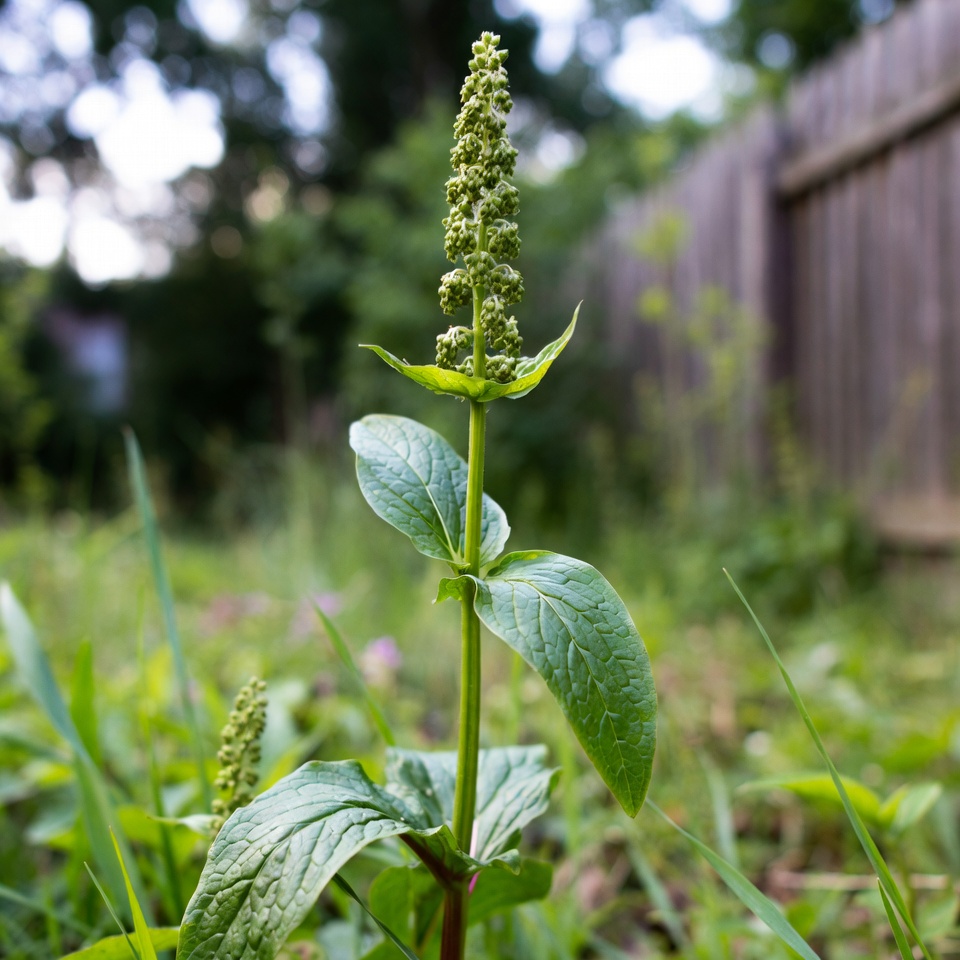
It forms a low rosette of leaves close to the ground. From the center, it sends up slender flower stalks that later produce edible seeds. While it is often dismissed as a weed, many cultures across Europe and Asia have valued it for both food and traditional remedies, and scientific studies continue to explore its bioactive profile.
How to Identify Large Plantain
Large plantain is easy to recognize once you know the key traits.
-
Leaves
- Broad, oval to egg-shaped, and slightly leathery
- Typically shows 5–9 strong, parallel veins
- Grows in a ground-hugging rosette
-
Flowers and seeds
- Tall, thin stalks rise from the center
- Stalks carry tight clusters of small, greenish-white flowers
- Flowers mature into small seeds that can be eaten
-
Where it grows
- Common in lawns, roadsides, footpaths, garden edges, and open ground
- Handles sun or partial shade well
Foraging tip: Only harvest from clean, pesticide-free areas, away from heavy traffic or polluted soils.
Nutritional Profile and Medicinal Compounds
Large plantain is valued because it combines micronutrients with plant compounds linked to protective effects.
-
Vitamins and minerals
- Provides vitamins A, C, and K
- Contains minerals such as calcium, potassium, and iron
- These nutrients support immune function, bone health, and normal energy metabolism (as discussed in herbal nutrition research, including recent studies)
-
Antioxidants
- Contains flavonoids and other antioxidants that help counter oxidative stress
- Antioxidant activity is often linked with lower inflammation and cellular protection (highlighted in antioxidant-focused reviews)
-
Anti-inflammatory and antimicrobial activity
- Bioactive constituents such as aucubin are studied for their potential role in calming inflammation and supporting the body’s defenses
- Traditional use and research both connect plantain to skin support and wound care
Key Health Benefits of Large Plantain
Large plantain has a long history in natural health practices, and many of its traditional uses align with modern interest in its active compounds.
Cooling effect and gentle diuretic support
In traditional Vietnamese herbal practice, large plantain is often described as cooling and used to support fluid balance. Its mild diuretic action may help the body eliminate excess water and support urinary and kidney wellness.
Respiratory comfort: coughs and bronchitis support
The leaves contain mucilage, a soothing, gel-like substance. Mucilage may:
- Coat and calm irritated throat tissues
- Help loosen and move mucus
- Support comfort during coughs and respiratory irritation
(These uses are also reflected in modern discussions of respiratory-support herbs.)
Skin support: minor wounds, bites, and irritation
Topical use is one of large plantain’s best-known traditional applications. Crushed or bruised leaves have been used to:
- Calm redness and swelling
- Support healing of small cuts and scrapes
- Soothe insect bites and mild rashes
Dermatology-focused research has also explored plantain’s anti-inflammatory and antimicrobial potential.
Digestive support
When eaten as a vegetable or prepared as tea, plantain’s fiber and mucilage may help:
- Support regular digestion
- Provide gentle soothing effects for mild digestive discomfort
Culinary Uses: How to Eat Large Plantain
Large plantain is not just “edible”—it can be genuinely useful in everyday cooking, especially when you choose young leaves.
Use the leaves raw or cooked
- Young leaves are more tender and less bitter
- Add to salads with a bright dressing (lemon, vinegar, or citrus-based vinaigrette)
- Sauté with garlic like spinach or other leafy greens
Brew large plantain tea
A simple tea is one of the easiest ways to use the plant.
- Steep 5–6 fresh or dried leaves in hot water for 5–7 minutes
- Drink plain or sweeten lightly with honey if desired
Add to soups and stews
Stir chopped leaves into broths and soups near the end of cooking for:
- A mild earthy flavor
- A quick nutritional boost
Try the edible seeds
The seed heads can be harvested, dried, and used in different ways:
- Grind into a rough flour for baking blends
- Sprinkle over dishes for a subtle nutty texture
How to Harvest, Clean, and Store Large Plantain
Harvest at the right time
- Pick young, bright leaves in spring or early summer for best texture
- Older leaves can be tough and more bitter
Wash thoroughly
Plantain leaves can trap dirt in their surface texture.
- Rinse well under running water
- Inspect the base of the rosette where grit often collects
Prepare for cooking
- Blanch for 1–2 minutes to soften and reduce bitterness
- Very young leaves can be eaten raw if tender
Store correctly
- Wrap fresh leaves in a slightly damp cloth and refrigerate (up to about a week)
- Dry leaves for tea and store in an airtight container for longer-term use
Safety and Precautions
Large plantain is widely used and generally considered safe for most people, but smart precautions matter.
-
Check with a healthcare professional
- Especially if pregnant, breastfeeding, or taking diuretics or blood thinners, since herbs may interact with medications
-
Test for sensitivity
- Try a small taste first, or test a small amount on skin
- Stop use if you notice rash, itching, or digestive discomfort
-
Avoid contaminated harvesting sites
- Do not harvest from roadsides, industrial zones, or sprayed lawns
- Plantain can absorb pollutants from soil
-
Use in moderation
- If eating raw, start small—high fiber may cause discomfort for some people
- A practical limit for tea or food use is often around 1–2 cups per day, depending on tolerance
Why Large Plantain Deserves a Place in Your Routine
Large plantain challenges the idea of what a “weed” is. It’s a budget-friendly, sustainable wild edible with a strong reputation in traditional medicine and growing scientific interest—especially around compounds like aucubin. With its combination of nutrients, antioxidants, and soothing mucilage, it stands out as a practical plant for respiratory comfort, skin support, and digestion.
Whether you sip it as tea, sauté it as a leafy green, or use it as a simple foraged ingredient, large plantain (Plantago major) is an easy way to bring nature’s benefits into everyday life.
Start Using Large Plantain Today
If you want a wild plant that is easy to find, simple to prepare, and surprisingly versatile, large plantain is a great place to begin. Harvest it carefully from clean areas, use it in meals you already enjoy, and explore gentle home remedies responsibly. With the right precautions, this common plant can become a valuable part of your natural wellness and cooking toolkit.