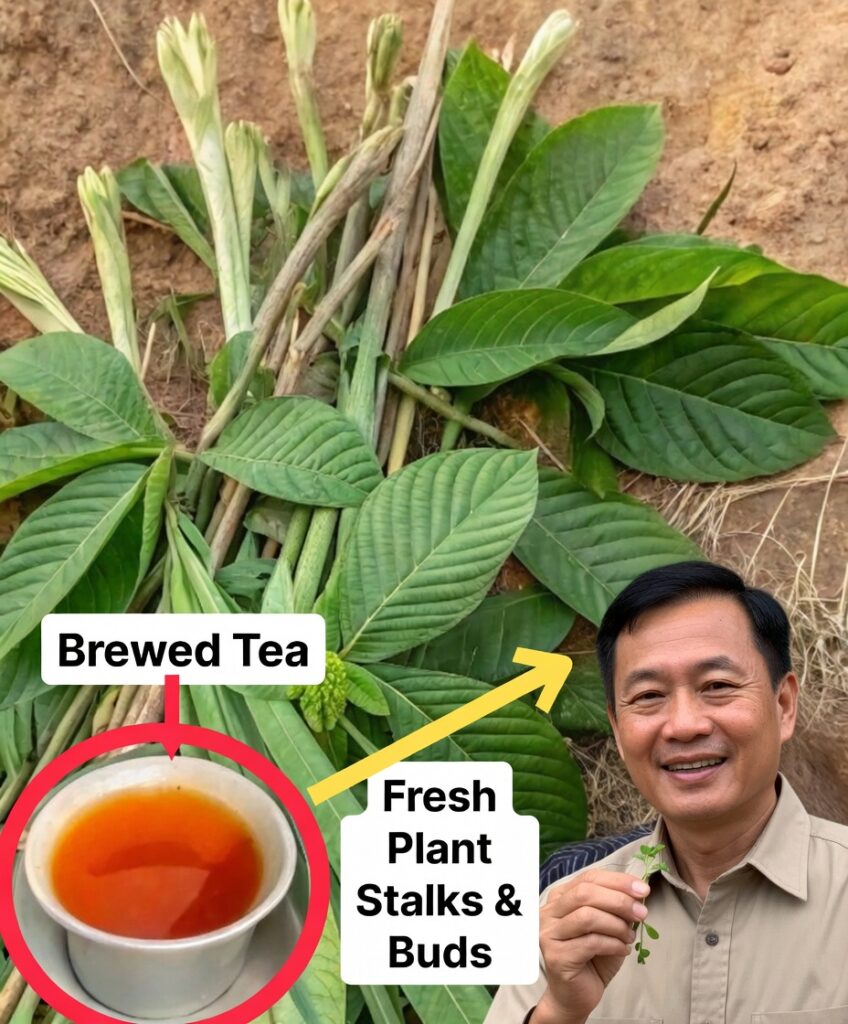
Understanding Sciatica and Why It Hurts
Sciatica is a painful condition caused by irritation or compression of the sciatic nerve—the long nerve that runs from the lower back through the hips and down each leg. Symptoms can feel like anything from a mild ache to severe, radiating pain that interferes with walking, working, and everyday movement.
Common Symptoms of Sciatic Nerve Pain
Sciatic nerve discomfort often shows up in several ways, including:
- Sharp pain in the hip or buttock area
- Lower back soreness or tightness
- Tingling, burning, or “pins and needles” sensations down the leg
- Morning stiffness and reduced flexibility
- Difficulty walking or standing for long periods
- Leg weakness or heaviness in the affected side
Why People Look for Natural Remedies
While medical treatments and pain-relief options are available, many people struggle to find lasting comfort or want gentler support alongside other care. For that reason, natural approaches—especially herbal tea for inflammation and circulation—have become popular for those seeking daily, low-impact wellness habits.
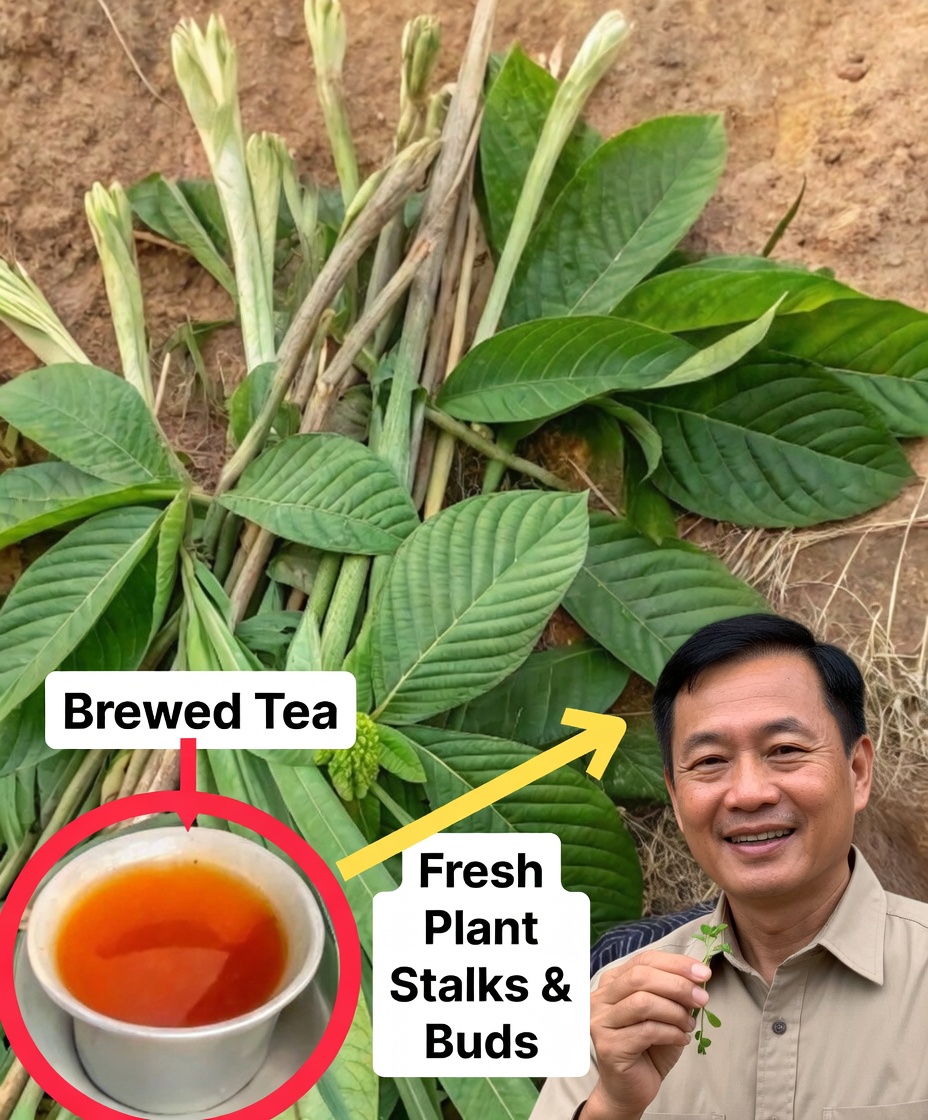
Guava Leaves: A Traditional Anti-Inflammatory Herb
Guava leaves are widely used in herbal wellness for their naturally occurring antioxidants, including quercetin. These compounds may help calm inflammation and are often associated with soothing irritated tissues, supporting nerve comfort, and easing muscle or joint tension.
When choosing ingredients, some people prefer to buy organic guava leaves online to help ensure clean sourcing and avoid pesticide residues.
Lemongrass: Comfort, Circulation, and Support
Lemongrass is known for its soothing properties and is commonly used in herbal routines for discomfort management. It’s often valued for:
- Natural anti-inflammatory support
- Mild pain-relieving effects
- Improved circulation, which may help with stiffness
- Gentle detox support as part of a balanced lifestyle
For home preparation, you can buy fresh lemongrass stalks or choose dried lemongrass tea blends for convenience and consistent quality.
Why Combine Guava Leaves and Lemongrass?
Used together, guava leaves and lemongrass create an herbal infusion that supports relaxation, circulation, and overall nerve-friendly wellness. For many people managing sciatica symptoms, this blend fits well into a broader, holistic routine focused on mobility and comfort.
To simplify preparation, some prefer to purchase herbal tea kits that include both ingredients in ready-to-use portions.
Best Times to Drink Guava Leaf and Lemongrass Tea
For daily support, many people enjoy this caffeine-free tea:
- In the morning to reduce stiffness and promote circulation
- Before bed to help relax muscles and unwind
Regular use tends to work best. If convenience matters, you can buy guava and lemongrass tea packages online to maintain freshness and avoid running out.
Simple Recipe: How to Make Guava Leaf and Lemongrass Tea
Ingredients
- 5 guava leaves (fresh or dried)
- 2 fresh lemongrass stalks (or 1 tablespoon dried lemongrass)
- 3 cups of water
Instructions
- Rinse the guava leaves and lemongrass thoroughly to remove dust or debris.
- Add the ingredients to a pot with 3 cups of water.
- Bring to a boil, then reduce heat and simmer for 10–15 minutes.
- Strain into a cup and drink warm.
For routine use, drink 1–2 cups per day, ideally in the morning or evening.
How to Add This Tea to a Sciatica-Friendly Routine
For better overall results, combine your tea habit with supportive daily actions such as:
- Gentle stretching for hips, hamstrings, and lower back
- Short walks to encourage blood flow
- Posture and core-strength exercises to reduce strain on the spine
To stay consistent, many people choose buying bulk herbal tea ingredients so they can continue without interruptions.
Key Benefits of Guava Leaf and Lemongrass Tea
This herbal blend is often used as a gentle, supportive option because it may:
- Help reduce inflammation linked to nerve discomfort
- Encourage relaxation and better circulation
- Support spinal, muscle, and joint wellness
- Provide a caffeine-free alternative for daily comfort routines
Choosing to buy high-quality herbal teas can improve consistency and ingredient reliability, making this natural approach easier to maintain as part of your sciatica support plan.