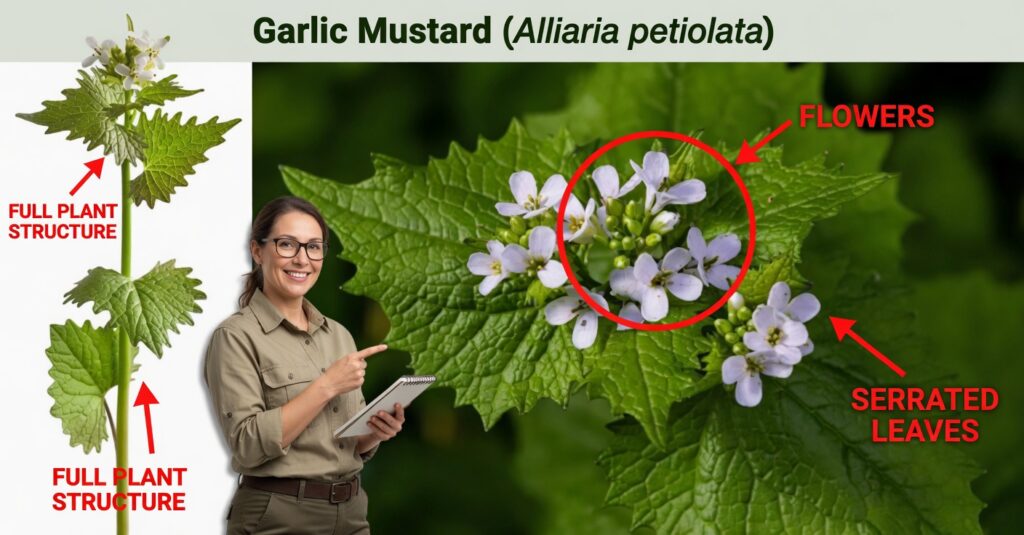
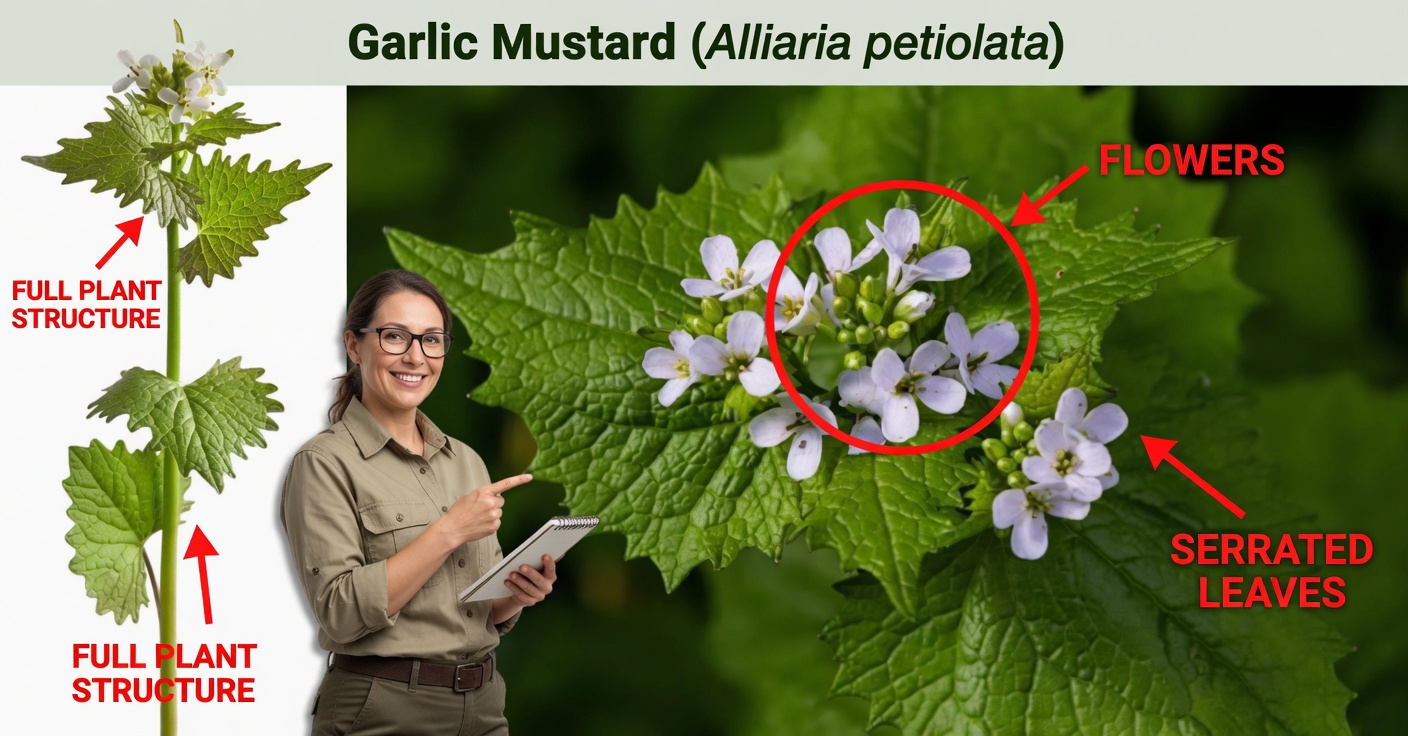
Garlic Mustard (Alliaria petiolata): A “Weed” With Real Herbal and Culinary Value
Garlic mustard (Alliaria petiolata) is often dismissed as an invasive weed, yet it has a long-standing place in traditional home remedies and seasonal cooking. When the leaves are crushed, they release a distinct garlic-like scent—one of the easiest ways to recognize this wild edible plant. Beyond its reputation in gardens and woodlands, garlic mustard contains useful nutrients and plant compounds that have been used to support everyday wellness.
Despite how common it is along forest edges, trails, roadsides, and backyards, many people overlook garlic mustard’s potential benefits—both as a flavorful edible green and as a simple herbal ingredient.
20 Powerful Benefits of Garlic Mustard
Below are 20 commonly cited garlic mustard benefits based on traditional use and the plant’s natural compounds. As with any wild herb, results and suitability vary by person.
-
High in Vitamin C
- The leaves provide vitamin C, which supports immune function and helps maintain healthy skin.
-
Anti-Inflammatory Support
- Natural compounds in the plant may help calm inflammation, whether taken as food or used topically.
-
Mild Natural Antibacterial Action
- Garlic mustard has historically been used in folk practices to support the body during minor infections.
-
Digestive Aid
- It may stimulate digestive secretions and help ease bloating or mild indigestion.
-
Detox and Fluid Balance
- Traditionally associated with liver support and a gentle diuretic effect, encouraging the body’s natural waste removal.
-
Respiratory Comfort
- Leaf tea has been used to soothe coughs, colds, and mild breathing irritation.
-
Circulation Support
- Certain plant compounds may promote healthy blood flow and overall circulatory wellness.
-
Antioxidant Protection
- Antioxidants help defend cells from oxidative stress and may contribute to healthy aging.
-
Helps Minor Wounds Heal
- Crushed leaves used as a poultice have been applied to small cuts and scrapes in traditional practice.
-
Natural Decongestant Effect
- The strong aroma from freshly crushed leaves may help open nasal passages when inhaled.
- Soothes Sore Throats
- Gargling cooled garlic mustard tea may ease throat irritation.
- Supports Oral Hygiene
- Chewing a small amount of raw leaf has been used to freshen breath and reduce unwanted oral bacteria.
- Skin-Soothing Uses
- A mild infusion or topical application may help with acne, rashes, and minor insect bites.
- Gentle Pain Relief
- When applied externally, crushed leaves may provide mild comfort for sore spots.
- Natural Garden Pest Deterrent
- Its intense scent can help discourage some insects and pests when crushed near plants.
- Traditional Antifungal Use
- Garlic mustard has been used in folk remedies for fungal skin issues like athlete’s foot or ringworm.
- May Stimulate Appetite
- Adding small amounts to meals may encourage appetite and support nutrient uptake.
- Folk Anti-Parasitic Use
- Historically used in some traditions to help the body expel intestinal parasites.
- Brain and Nerve Support Potential
- Antioxidant content may support cognitive function and help protect nerve tissues.
- Kidney and Urinary Support
- Its diuretic nature may encourage urination and assist normal waste elimination.
How to Use Garlic Mustard at Home (Simple, Practical Ideas)
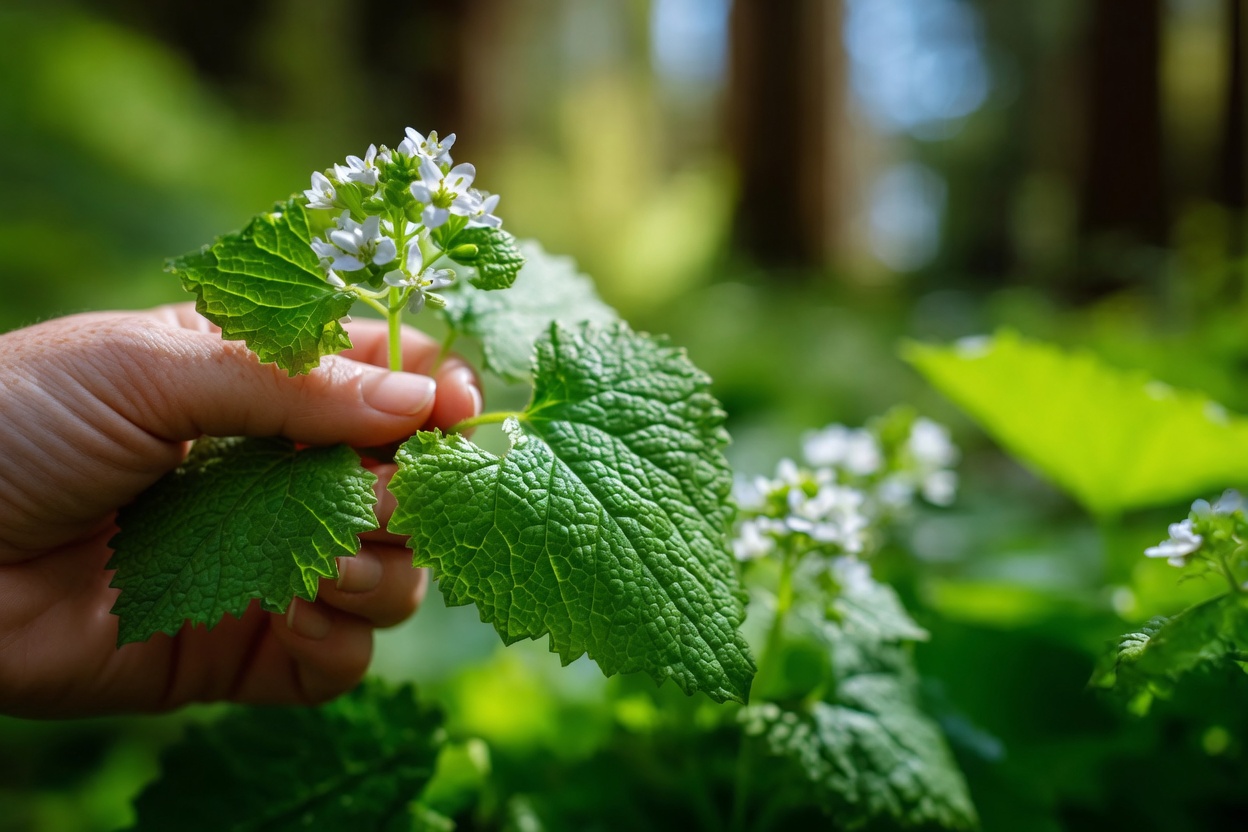
Garlic mustard can be used in the kitchen or as part of basic home herbal preparations. Use young leaves for the mildest flavor.
-
Fresh Leaf Salad
- Chop tender, young leaves into salads for a peppery-garlic bite.
- Try with lemon juice and olive oil for a clean, bright side dish.
-
Garlic Mustard Pesto
- Blend leaves with nuts or seeds, olive oil, lemon juice, and optional garlic for a nutrient-rich pesto with a wild-green twist.
-
Herbal Tea
- Steep fresh or dried leaves in hot water for 5–7 minutes.
- Commonly used for digestion support, seasonal comfort, or gentle detox routines.
-
Poultice for Skin
- Crush fresh leaves and apply to insect bites, small scrapes, or mild rashes.
- Cover with gauze and leave on for about 30 minutes.
-
Sore Throat Gargle
- Simmer a few leaves in 1 cup of water, cool, then gargle to calm throat or mouth irritation.
-
Infused Vinegar
- Soak chopped leaves in apple cider vinegar for 2–3 weeks, then strain.
- Use in salad dressings or as a traditional tonic ingredient.
-
Detox Smoothie Boost
- Add a small handful of young leaves to smoothies with cucumber, apple, and lemon.
-
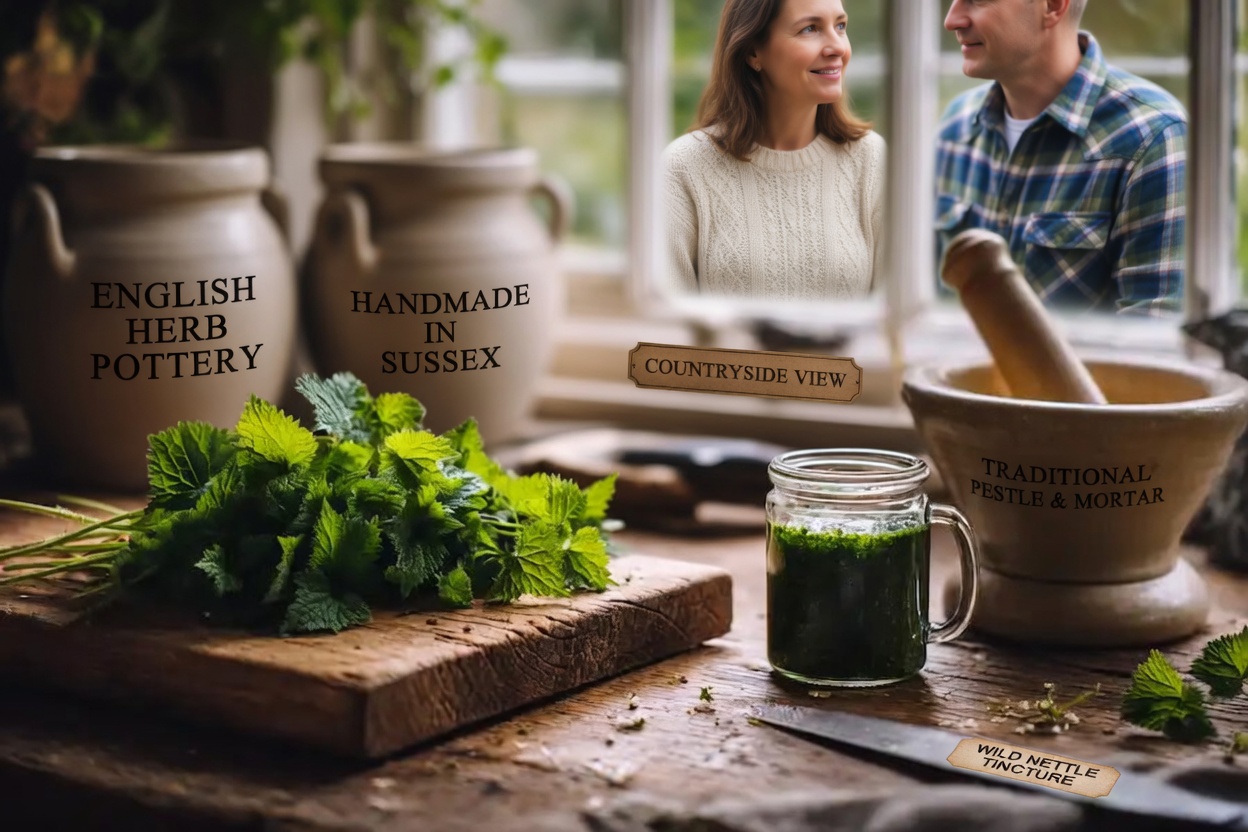
Herbal Tincture
- Fill a jar with chopped leaves, cover with high-proof alcohol, and steep 3–4 weeks.
- Strain and use only in small amounts with professional guidance.
-
Steamed or Sautéed Greens
- Steam or sauté with olive oil and garlic. Cooking helps reduce bitterness and sharpness.
-
Homemade Insect Repellent (Garden Use)
- Crush leaves and spread around garden beds to help deter certain pests naturally.
Final Thoughts: Why Garlic Mustard Deserves a Second Look
Garlic mustard may grow like a weed, but it offers a surprisingly broad range of traditional uses—from immune and digestive support to respiratory comfort and skin care. Its flexibility in recipes (salads, pesto, cooked greens) and its role in simple herbal preparations make it an underrated wild herb for those who forage responsibly and use it thoughtfully.
Disclaimer
Garlic mustard has a strong flavor and active plant compounds. Correct identification is essential. Use in moderation, and take extra caution if you are pregnant, nursing, have medical conditions, or take medications. Consult a qualified healthcare professional before starting any herbal treatment.