The “Weeds” in Your Garden Might Be Herbal Gold
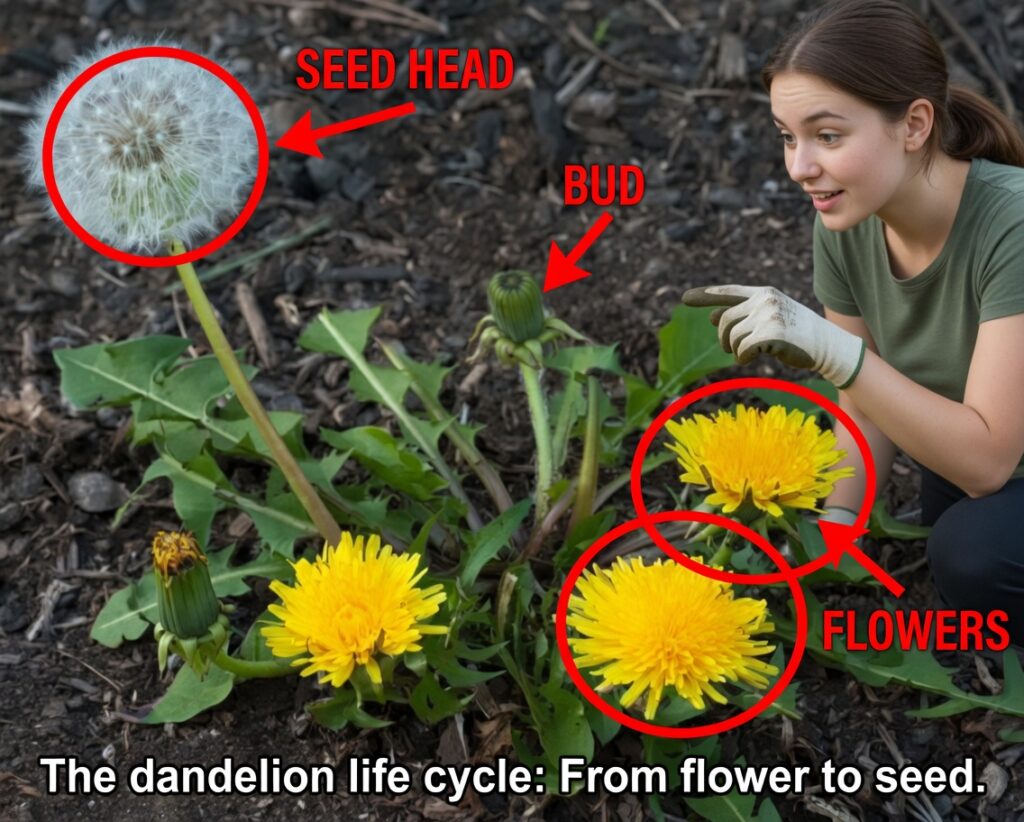
Plants you’re quick to pull from your lawn or pathways may be some of nature’s most useful wild herbs. Many common “weeds” are rich in nutrients and have a long history in traditional wellness practices. Here are four you’ve probably seen everywhere—dandelion, purslane, broadleaf plantain, and yarrow—plus their standout benefits and simple ways to use them.
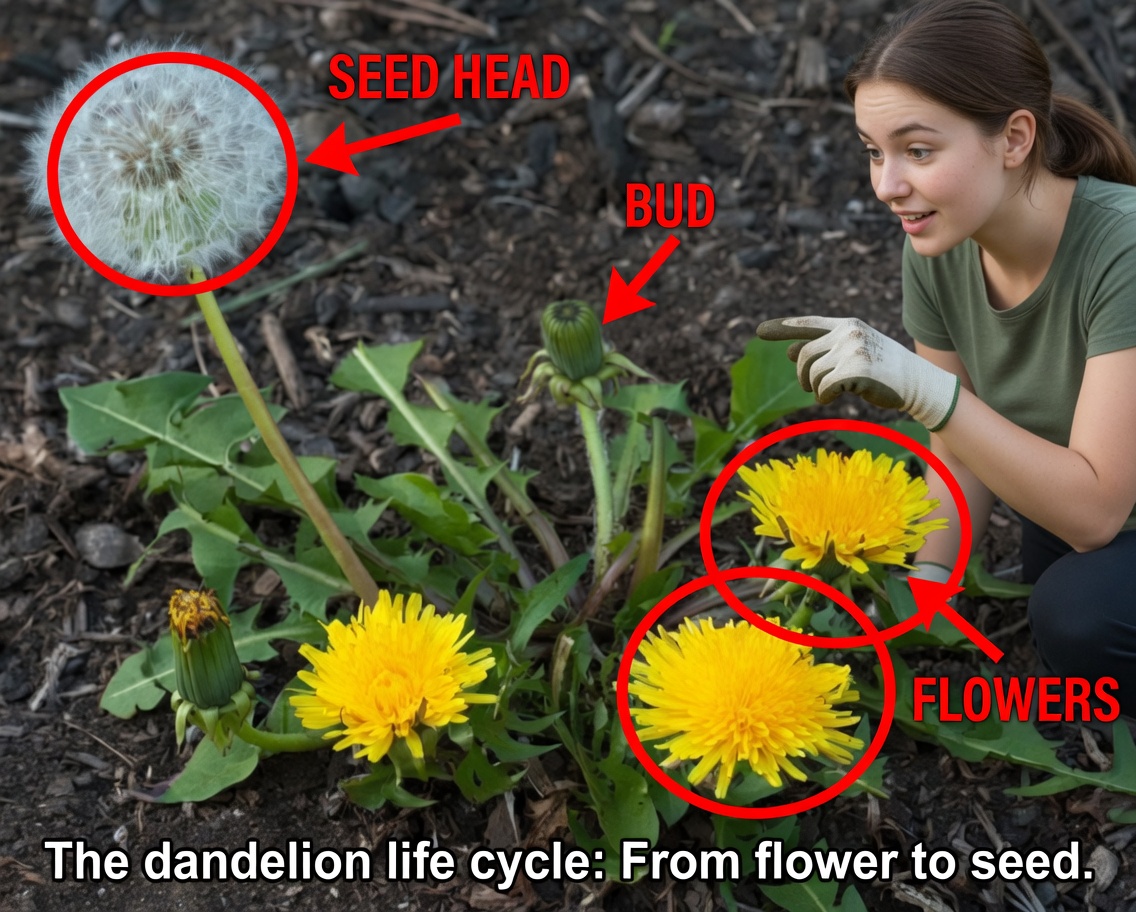
Dandelion (Taraxacum officinale)
Usually labeled an unwanted lawn intruder, dandelion is actually a nutrient-dense plant with a wide range of traditional uses.

Key Benefits of Dandelion
- Vitamin-rich nutrition: Naturally high in vitamins A, C, K, plus several B vitamins
- Liver support: Commonly used to encourage healthy bile flow and overall liver function
- Digestive relief: Often taken as a gentle diuretic and to support digestion
- Skin soothing effects: Anti-inflammatory qualities may calm irritation such as acne or eczema
- Blood sugar balance: May help support healthy blood sugar levels
- Bone support: Provides calcium and vitamin K, both important for bone health

How to Use Dandelion
- Herbal tea: Dry the leaves and/or roots and steep in hot water for a cleansing-style tea
- Fresh in salads: Add young leaves to salads for a bitter, nutrient-packed boost
- Simple topical paste: Crush fresh leaves and apply to minor skin irritation
Purslane (Portulaca oleracea)
You’ll often find purslane creeping through garden beds and sidewalk cracks. Despite its humble look, it’s considered one of the most nutrient-dense leafy greens found in the wild.
Key Benefits of Purslane
- Omega-3 source: Contains more omega-3 fatty acids than most leafy vegetables, supporting heart health
- High in antioxidants: Provides vitamin E, beta-carotene, and glutathione
- Anti-inflammatory support: May help calm inflammation in the body
- Hydration-friendly: High water content makes it ideal for summer meals
- Weight-management helper: Low in calories and rich in fiber for fullness and digestion
- Cardiovascular minerals: Offers magnesium and potassium for heart function
- Supports wound recovery: Traditionally used for compounds linked with faster healing

How to Use Purslane
- Raw and crunchy: Rinse well and add to salads or sandwiches for a tangy bite
- Blended drink: Juice or blend with other greens for a refreshing boost
- Quick sauté: Lightly stir-fry with garlic and olive oil as an easy side
Broadleaf Plantain (Plantago major)
Not to be confused with the banana-like fruit, broadleaf plantain is a common backyard plant prized in folk traditions for its versatility—especially for skin and respiratory support.

Key Benefits of Broadleaf Plantain
- Skin repair: Often used for cuts, burns, and insect bites
- Respiratory comfort: Helps soothe coughs and loosen mucus
- Digestive balance: Traditionally used to ease diarrhea and constipation
- Natural antibacterial action: Applied topically to help protect minor skin issues
- Detox support: Encourages elimination through urine
- Joint comfort: Anti-inflammatory properties may reduce joint discomfort
- Immune nutrients: A natural source of vitamins C and A

How to Use Broadleaf Plantain
- Fresh poultice: Crush clean leaves and place directly on bites, stings, or small wounds
- Soothing tea: Simmer dried leaves for a gentle digestive or respiratory herbal drink
- Infused oil: Steep leaves in olive oil to make a skin-friendly infused oil or salve base
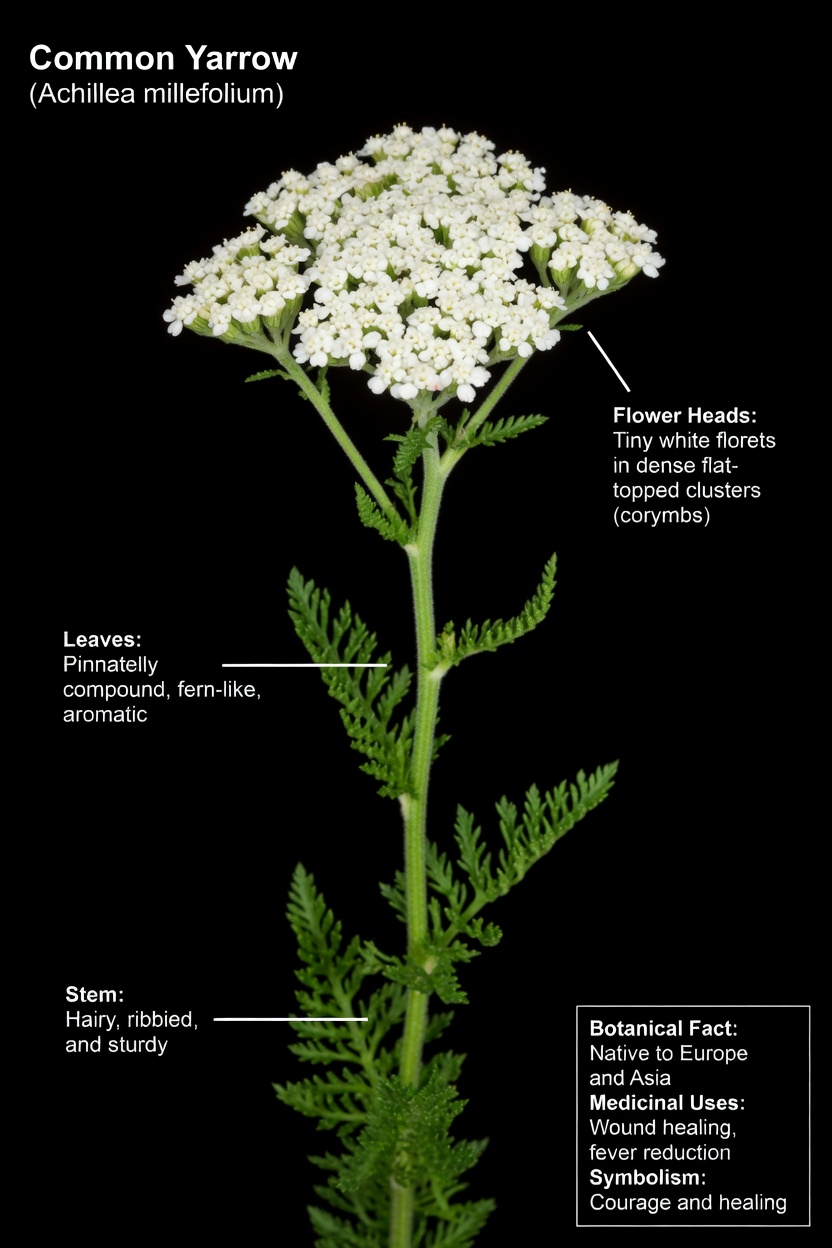
Yarrow (Achillea millefolium)
Delicate-looking but impressively useful, yarrow is well known in traditional herb use for supporting the body during minor injuries, feverish feelings, and seasonal discomfort.

Key Benefits of Yarrow
- Wound support: Astringent qualities may help slow bleeding and encourage healing
- Fever comfort: Traditionally used as a diaphoretic to promote sweating during fever
- Menstrual support: Often used to help with heavy menstrual bleeding
- Digestive ease: May reduce bloating, cramping, and stomach discomfort
- Calming effect: Mild sedative-like properties can help relax the nerves
- Skin protection: Antimicrobial activity may help when used externally
- Circulation support: Traditionally associated with improved circulation and heart support
- Cold and flu relief: May ease congestion and other seasonal symptoms
How to Use Yarrow
- Herbal tea: Steep dried leaves and flowers for digestive comfort or fever support
- Herbal compress: Soak a cloth in yarrow tea and apply to bruises or minor wounds
- Tincture: Commonly used for cold symptoms or menstrual discomfort
A New Way to Look at Common Weeds
These everyday plants are more than garden troublemakers—they can be practical, natural allies for wellness and nutrition. Once you learn to recognize dandelion, purslane, broadleaf plantain, and yarrow, you may hesitate before pulling them out—because what looks like a weed could actually be a hidden resource.