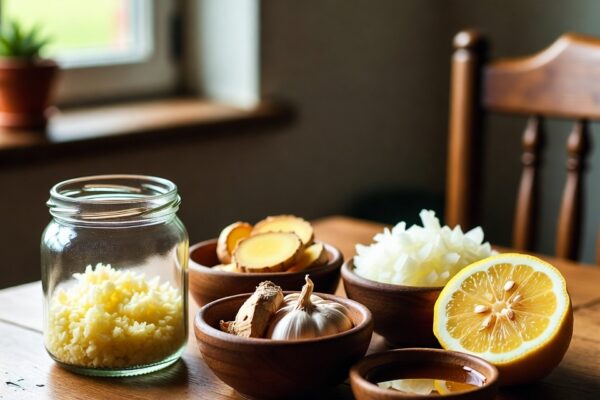
Ingredients
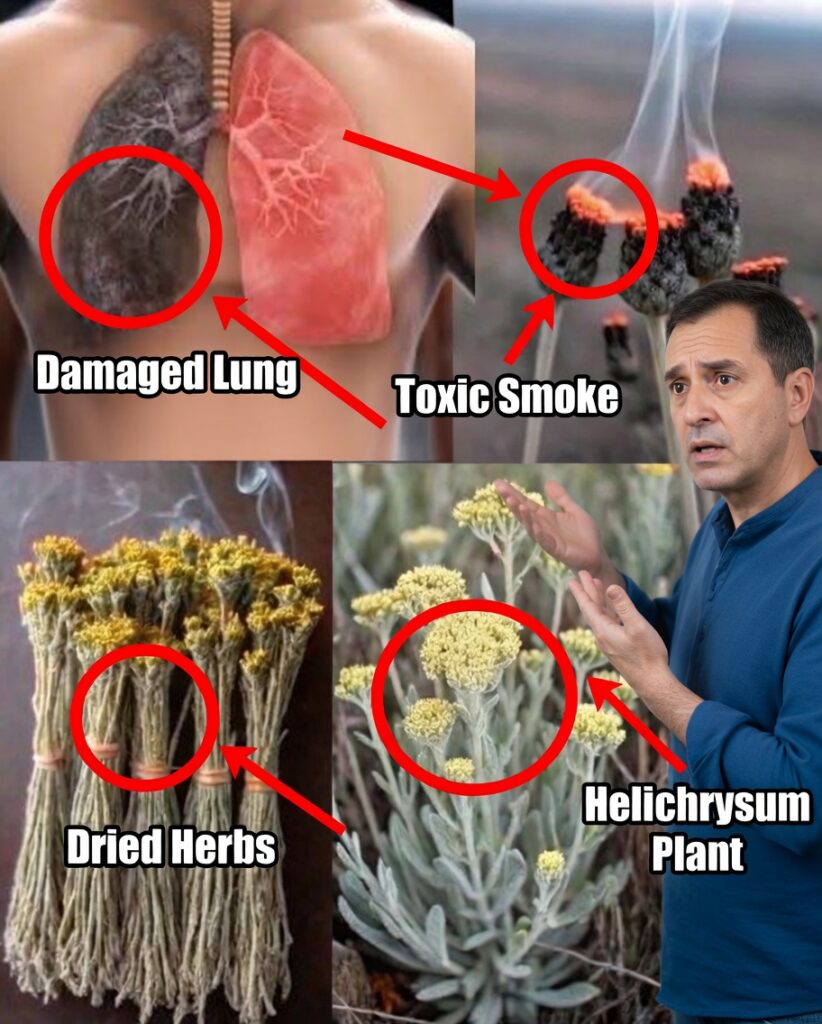
Quitting smoking can feel like an uphill battle, and many people look for extra support beyond willpower alone. One plant sometimes mentioned in traditional wellness practices is the highland flower, also called the “Shepherd’s flower.” Although scientific research is still limited, folk use suggests it may offer gentle help for people working to stop cigarette use.
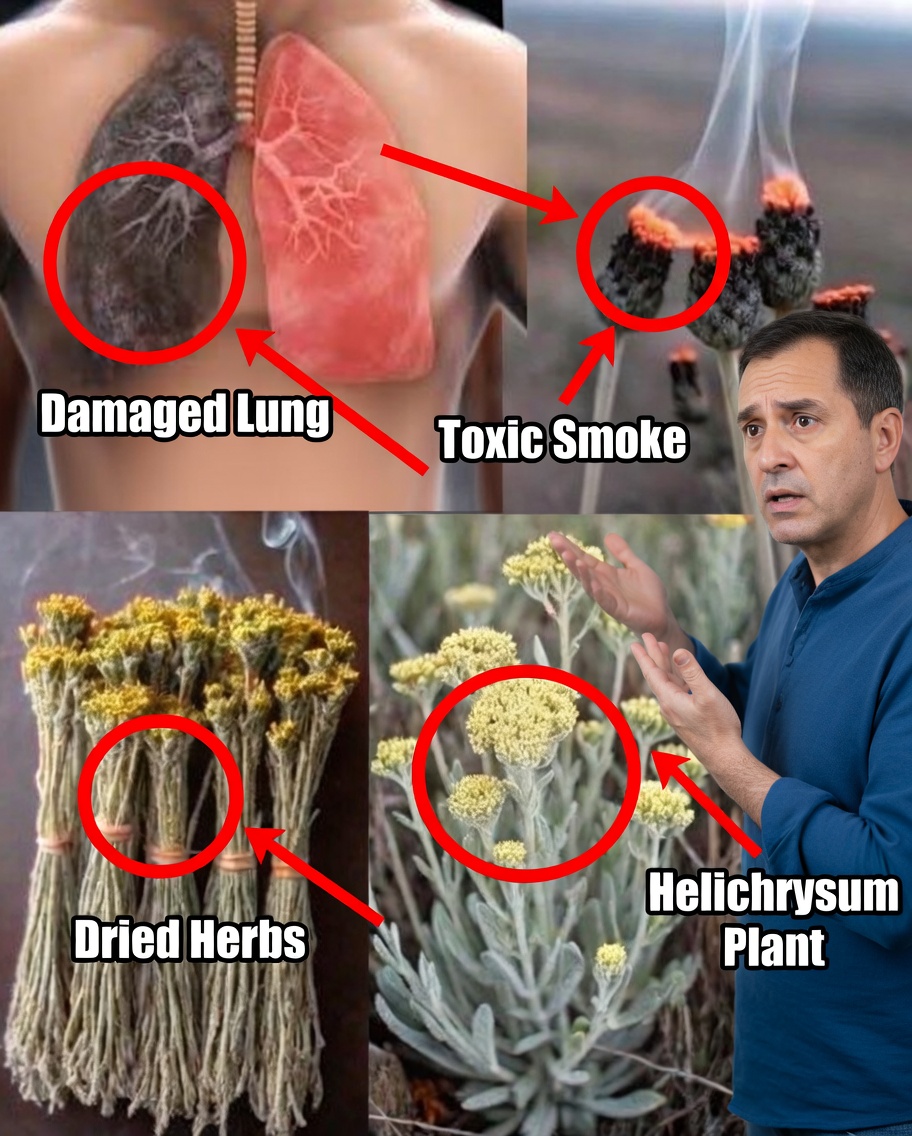
How the Highland Flower May Support Smoking Cessation
1. May Support Detoxification
Cigarettes deliver nicotine along with many other harmful compounds. The highland flower is often described as having detox-supporting properties, which may help the body clear unwanted substances more effectively—an appealing benefit for anyone starting a quit-smoking plan.
2. May Help Ease Stress and Anxiety
A major reason people relapse is the discomfort of withdrawal, including irritability, restlessness, nervousness, and anxiety. In traditional remedies, the highland flower has been used for its calming effect, which may make the transition away from smoking feel more manageable.
3. May Help Restore Taste and Smell
Smoking commonly dulls sensory perception, especially taste and smell. Some herbal traditions suggest the highland flower can help “freshen” the mouth and support a return of these senses—making meals more enjoyable and potentially reducing the urge to smoke.
4. May Support Immune Function
Long-term nicotine use can weaken the body’s defenses, leaving smokers more prone to illness. The highland flower is believed to provide immune-supportive benefits, which may help former smokers feel stronger as their bodies recover.
5. May Encourage Overall Body Cleansing
Over time, chemicals from cigarettes can build up in the body. The highland flower is sometimes used to support the body’s natural cleansing processes, which may help ex-smokers feel lighter and more refreshed during recovery.
A Natural Option—Not a Guaranteed Cure
The highland flower may be a helpful natural aid for quitting smoking, but it should not be treated as a standalone solution. The best results usually come from combining supportive habits with proven methods such as:
- Behavioral therapy or coaching
- Nicotine replacement therapy (patches, gum, lozenges)
- Medical advice and professional quit programs
If you’re thinking about using the highland flower (or any herbal remedy) to help stop smoking, speak with a healthcare professional first to make sure it’s safe and appropriate for you.
Would you consider trying a traditional herbal approach as part of your quit-smoking journey? Share your thoughts.