Signs of a Heart Attack Up to One Month Before: What to Watch For
Heart attacks remain one of the world’s leading causes of death, and they are often linked to ongoing stress and unhealthy habits. The good news is that the body may provide early warning signs weeks in advance. Learning to recognize these possible heart attack symptoms early can help you get timely medical care and potentially save a life.
7 Early Warning Signs That a Heart Attack May Be Coming
-
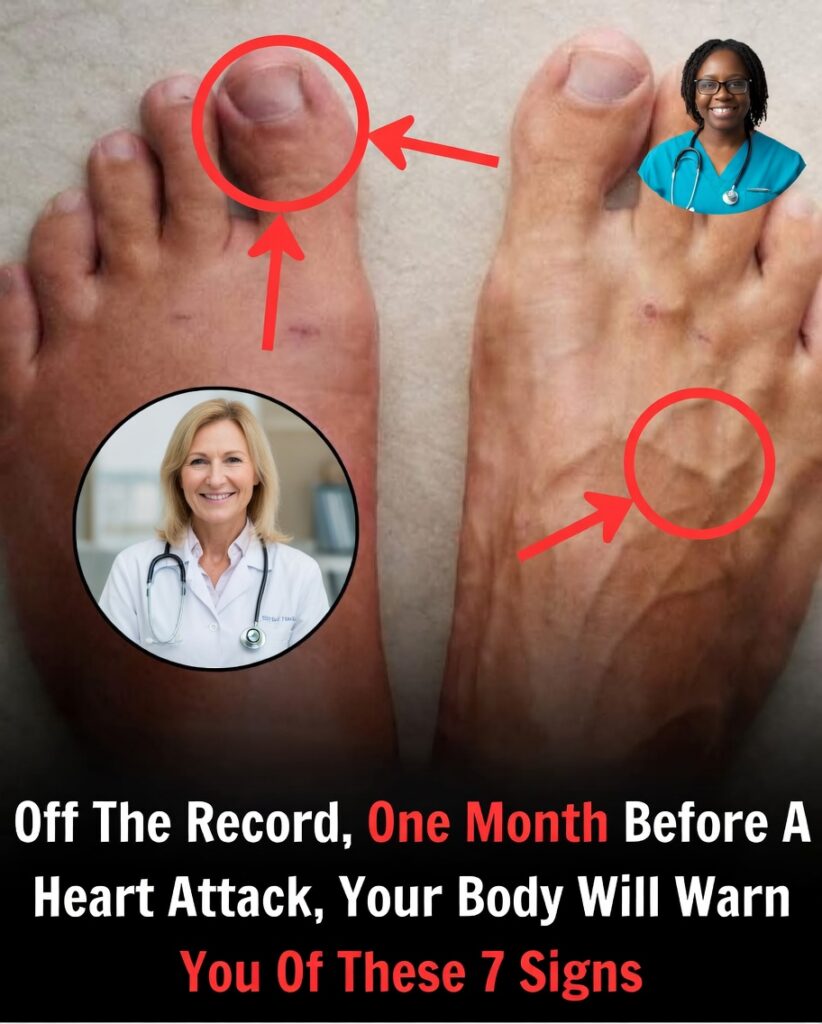
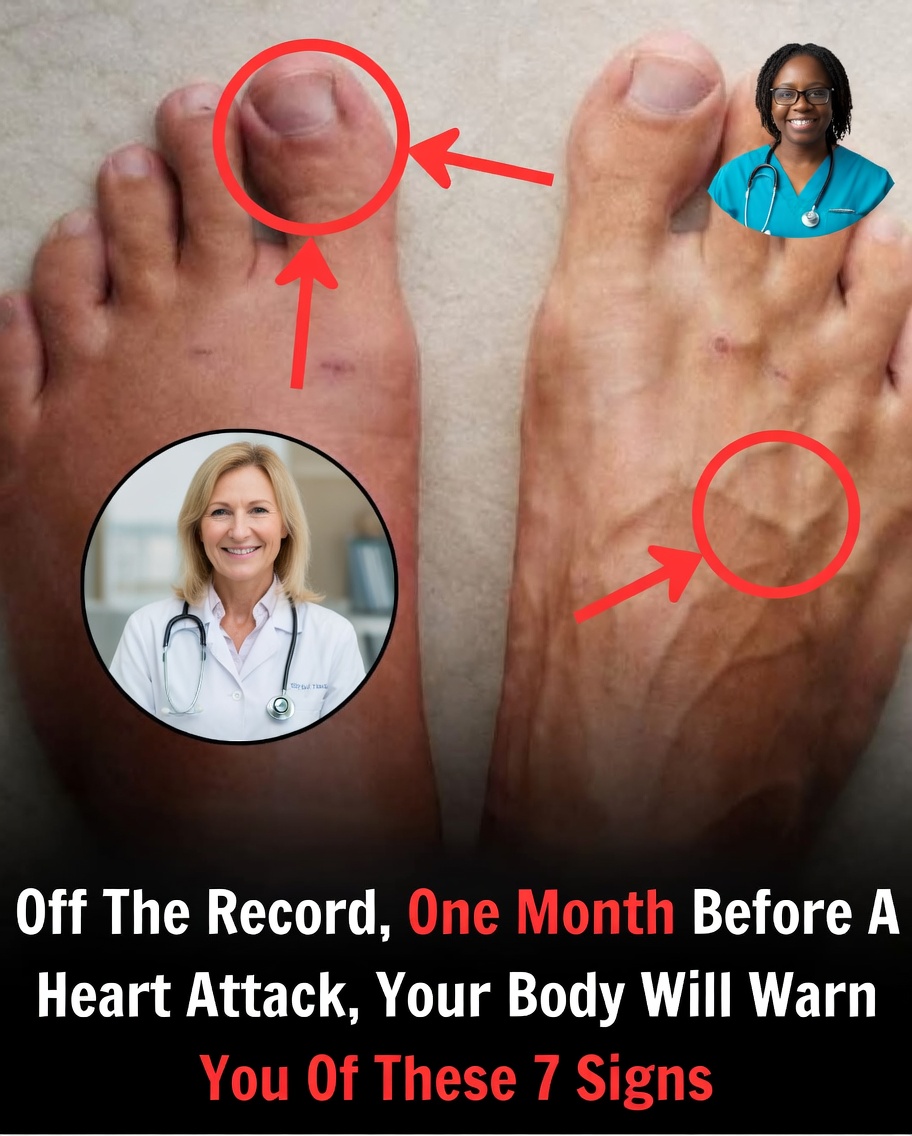
Swollen feet or ankles
- When the heart isn’t pumping efficiently, fluid can collect in the lower body, leading to noticeable swelling in the feet, legs, or ankles.
-
Ongoing fatigue
- Reduced blood flow means the heart has to work harder to keep the body supplied. This extra strain can cause persistent tiredness, even after rest.
-
Shortness of breath
- If less oxygen-rich blood reaches the lungs, breathing may feel harder than usual, especially during light activity—or even at rest.
-
Sudden weakness
- Poor circulation can reduce oxygen delivery to muscles, which may lead to unexpected weakness or a feeling that your body “has no strength.”
-
Dizziness and cold sweats
- When the brain isn’t getting enough blood, you may feel lightheaded or dizzy. Some people also experience clammy skin or cold sweating without a clear reason.
-
Chest pressure or tightness
- A growing sense of discomfort, pressure, squeezing, or heaviness in the chest can be an important heart attack warning sign—especially if it worsens over time.
-
Flu-like symptoms
- In some cases, people report symptoms that resemble a cold or the flu (such as general malaise) in the days leading up to a heart attack.
What to Do If These Symptoms Appear
If you or someone near you experiences one or more of these warning signs—especially chest pressure, shortness of breath, dizziness, or sudden weakness—seek medical attention immediately. Early evaluation and treatment are crucial, and quick action can significantly reduce the risk of a serious heart event.