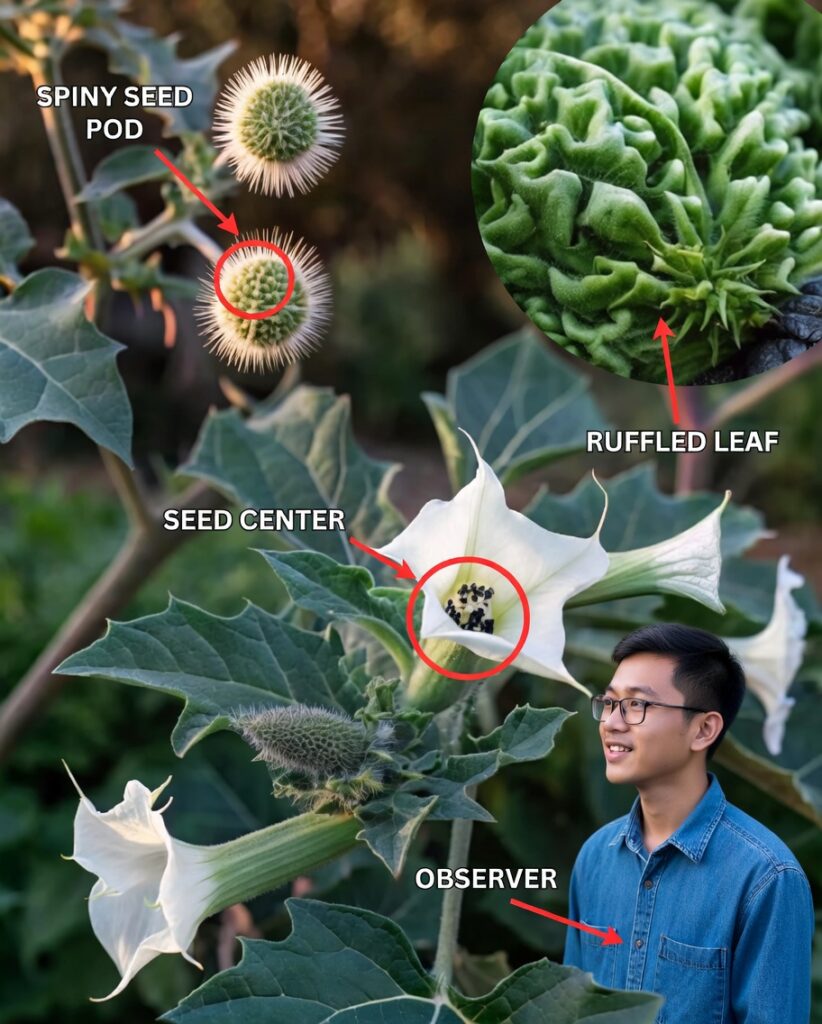
Datura stramonium (Jimsonweed): Uses, Effects, and Serious Safety Risks
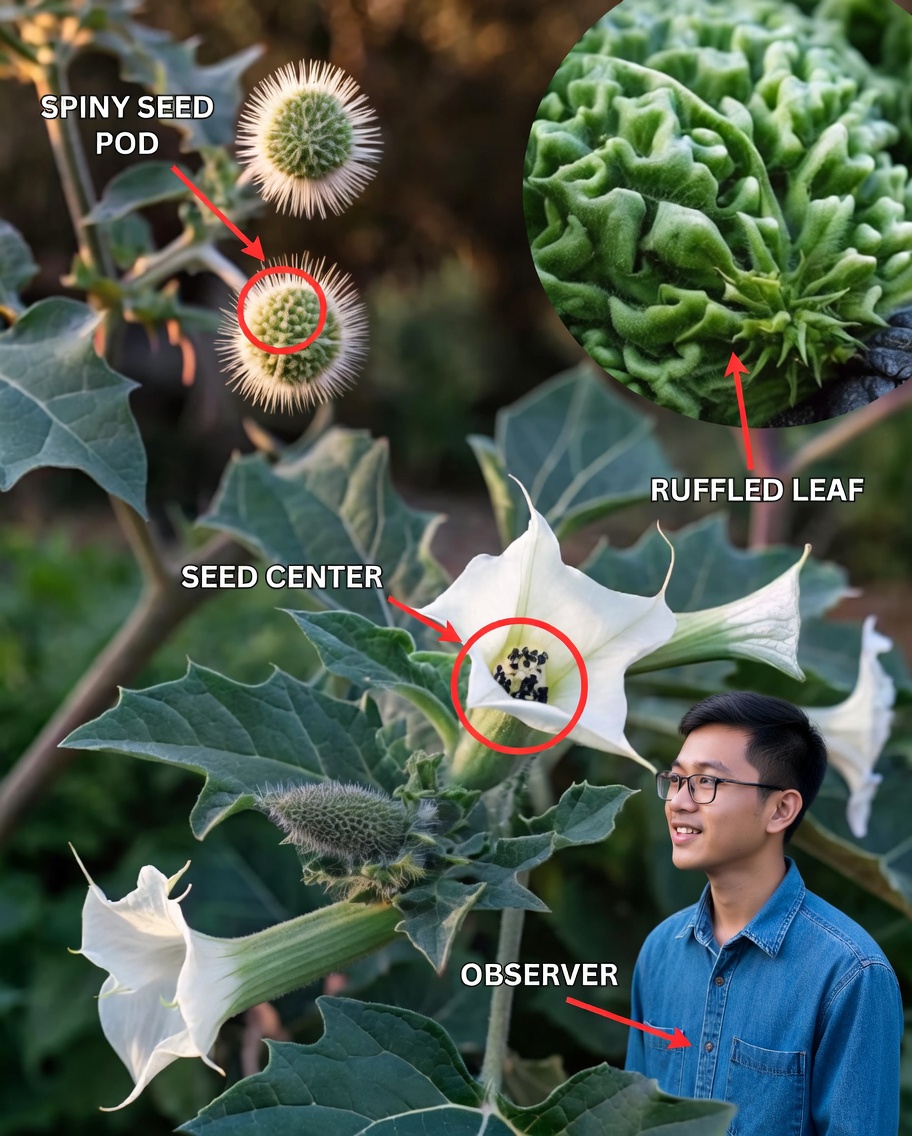
Also called Jimsonweed, Devil’s Trumpet, or Thorn Apple, Datura stramonium is an eye-catching plant known for its trumpet-shaped blooms and a long record of medicinal and ritual use. However, its impressive appearance hides a major reality: Datura is highly toxic and can be dangerous—even fatal—in small amounts.
Traditional Uses (Historically Reported, Not Recommended for Self-Use)
Across different folk traditions, Datura stramonium has been used with extreme caution for:
- Asthma and breathing problems
- Muscle spasms and cramping
- Pain relief, but only in tiny, carefully controlled amounts
- Sedation and anticholinergic effects
- Inflammation support in traditional remedies
In older practices, dried leaves were sometimes smoked to ease asthma attacks. Today, this approach is strongly discouraged because the plant’s toxicity makes the risk unacceptably high.
The Hidden Dangers of Datura stramonium
Datura contains tropane alkaloids, especially:
- Atropine
- Scopolamine
- Hyoscyamine
These compounds can trigger severe poisoning, and the margin between “dose” and “overdose” is extremely small. In many cases, accidental ingestion leads to medical emergencies.
Common Symptoms of Datura Poisoning
Potential signs of toxicity may include:
- Dilated pupils
- Rapid heartbeat
- Confusion, delirium, and hallucinations
- Dry mouth and trouble swallowing
- Seizures, coma, and in severe cases death
Why Datura Is Especially Risky
Several factors make Datura stramonium unsafe for home use:
- Unpredictable potency: toxin levels can vary widely, even between plants that look identical.
- Not suitable for self-medication: experimentation is dangerous; only qualified professionals in controlled settings should ever handle it medically.
- High risk for children and pets: they are particularly vulnerable to accidental exposure.
Never Use Datura Without Professional Supervision
Although Datura appears in historical systems and ceremonial contexts (including references in Ayurveda and some Indigenous rituals), it is restricted or banned in many countries due to its high poisoning risk. For modern health concerns, it is not a safe DIY option.
Safer Herbal Alternatives for Breathing, Pain, and Inflammation Support
If you’re looking for gentler plant-based options commonly used for similar goals, consider:
- Mullein
- Ginger
- Turmeric
- Licorice root
- Peppermint oil
These herbs are widely used to support lung comfort, pain management, and inflammatory balance, without the extreme hazards associated with Datura.
Key Takeaway
Datura stramonium is fascinating from a botanical and historical perspective, but its risks outweigh any potential home-use benefits. It’s best to admire and study this plant—not ingest, smoke, or experiment with it—unless under qualified medical supervision.