
Yarrow (Achillea millefolium): An Ancient Medicinal Herb Still Valued Today
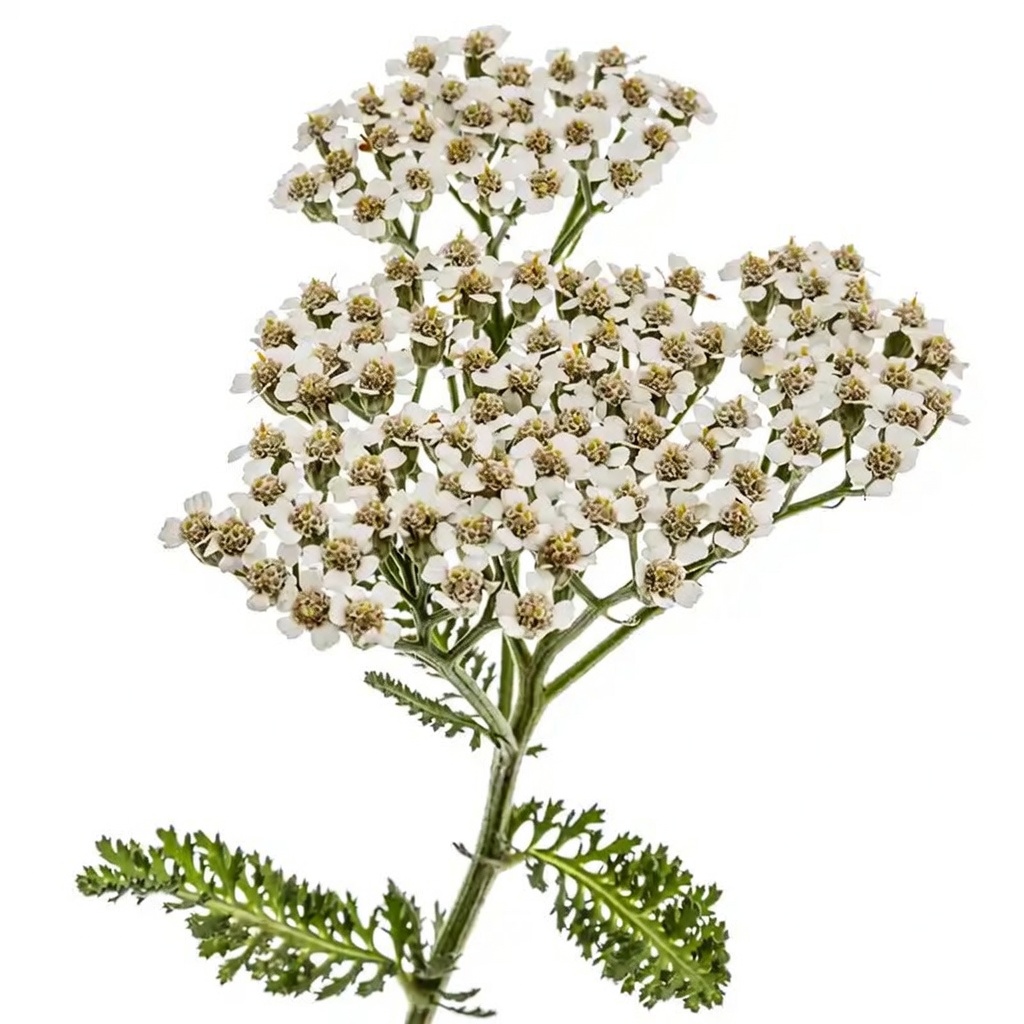
Yarrow (Achillea millefolium) is a hardy perennial herb that has been treasured for generations in traditional medicine. Historically, it was used to help clean and heal wounds and to bring down fevers during illness. You’ll often find yarrow growing naturally in meadows and open grasslands around the world, easily recognized by its feathery, fern-like leaves and flat-topped clusters of small white or pale pink flowers.

In modern herbal wellness, yarrow remains a popular plant because it contains a variety of powerful natural compounds and can be used in several practical ways. Below are 15 notable health benefits of yarrow, followed by simple methods for adding it to your routine.

15 Health Benefits of Yarrow
1) Supports Wound Healing
Yarrow is known for its astringent and anti-inflammatory effects, which can support the body’s natural healing process. When used appropriately on minor cuts or bruises, it may help reduce irritation, encourage blood clotting, and lower the chance of infection.
2) Helps with Digestion
This herb has a long reputation as a gentle digestive aid. It may ease bloating, indigestion, cramping, and gas by supporting digestive function and stimulating bile flow, which helps the body break down food more effectively.
3) Provides Menstrual Support
Yarrow has traditionally been used to help with menstrual discomfort and cycle irregularity. Its antispasmodic properties can ease cramps, and it has been used in herbal traditions to help with heavy periods and overall menstrual balance.

4) May Reduce Fever
One classic use of yarrow is for fever management. It can encourage perspiration (a diaphoretic effect), which may help the body release heat and feel more comfortable during colds or flu.
5) Offers Anti-Inflammatory Benefits
Yarrow contains plant compounds such as flavonoids and tannins, which are widely associated with anti-inflammatory activity. This may make it helpful for issues linked to inflammation, including joint discomfort and skin irritation.
6) Supports Healthy Blood Pressure
Some evidence and traditional use suggest yarrow may help with high blood pressure by encouraging blood vessel relaxation (vasodilation), supporting smoother circulation and overall cardiovascular function.
7) Promotes Better Circulation
By supporting blood flow and helping vessels relax, yarrow may contribute to improved circulation throughout the body—an important factor in general heart and vascular health.

8) Has Natural Antiseptic Qualities
Yarrow is rich in compounds that have been associated with antibacterial and antiseptic actions. In topical herbal use, it may help protect minor skin injuries such as small cuts, mild burns, and surface irritation.
9) Supports Respiratory Comfort
Yarrow has been used to ease congestion and respiratory inflammation. Its traditional expectorant role may help loosen mucus and support clearer breathing during colds, bronchitis, or asthma flare-ups.
10) Aids Natural Detox Pathways
Because yarrow may encourage both sweating and urination, it is often used in wellness routines aimed at supporting the body’s natural detox processes by helping remove excess fluid and waste.
11) Helps Relieve Stress and Tension
Many people use yarrow as a calming herb. As a tea, it may help soothe the nervous system and ease feelings of stress, tension, or mild anxiety, supporting a more balanced mood.

12) Supports Immune Function
Yarrow contains antioxidants, which help defend the body against oxidative stress. Regular use in traditional wellness practices is often linked to stronger immune resilience, especially during cold and flu season.
13) Promotes Healthier Skin
Thanks to its soothing and astringent nature, yarrow may help calm inflamed skin, support clearer-looking complexions, and reduce the appearance of large pores while improving overall skin texture.
14) May Help with Varicose Veins
Because it supports circulation and may reduce inflammation, yarrow is sometimes used in natural care approaches for varicose veins, helping reduce discomfort and the look of swelling over time.
15) Can Complement Weight Management Goals
Yarrow is often included in routines focused on healthy weight because it may support digestion, metabolism, and fluid balance. By aiding elimination of excess water and supporting digestive comfort, it can be a useful addition to balanced lifestyle habits.
How to Use Yarrow
Yarrow can be used in several forms, depending on your goals and preferences:
- Yarrow tea: Steep dried yarrow flowers (or an herbal blend that includes yarrow) in hot water for 10–15 minutes. Many people drink up to three cups per day.
- Tincture: A yarrow tincture is a concentrated option. Typical use is about 10–15 drops, taken under the tongue or diluted in water, and it’s often chosen for digestive or menstrual support.
- Poultice: For minor skin concerns, crush fresh yarrow leaves and flowers and apply to the area as a poultice.
- Salve or infused oil: Yarrow-infused topical products are commonly used for dryness, rashes, irritated skin, or varicose vein care.
- Essential oil: Yarrow essential oil can be added to baths or diluted in a carrier oil for massage. It’s frequently used in skincare due to its soothing and cleansing properties.
Conclusion
Yarrow is a remarkably adaptable medicinal herb with benefits that span skin care, digestion, menstrual support, respiratory comfort, detox routines, and cardiovascular wellness. Whether you choose yarrow tea, a tincture, or a topical preparation, it can be a valuable part of a natural health toolkit.
Because herbal products can interact with individual conditions and medications, use yarrow thoughtfully and consider speaking with a qualified professional before making it a regular part of your wellness plan.