Bedbugs: How to Spot Them and Get Rid of Them Naturally
Bedbugs are small, blood-feeding insects that can move into homes unnoticed and quickly become a serious nuisance. Their bites may cause intense itching, skin irritation, allergic reactions, and disrupted sleep. Because they hide well and reproduce fast, bedbug control can feel overwhelming—but a consistent, natural approach can help you remove them and prevent them from coming back.
How Bedbugs Survive and Spread
Understanding bedbug behavior makes elimination much easier.
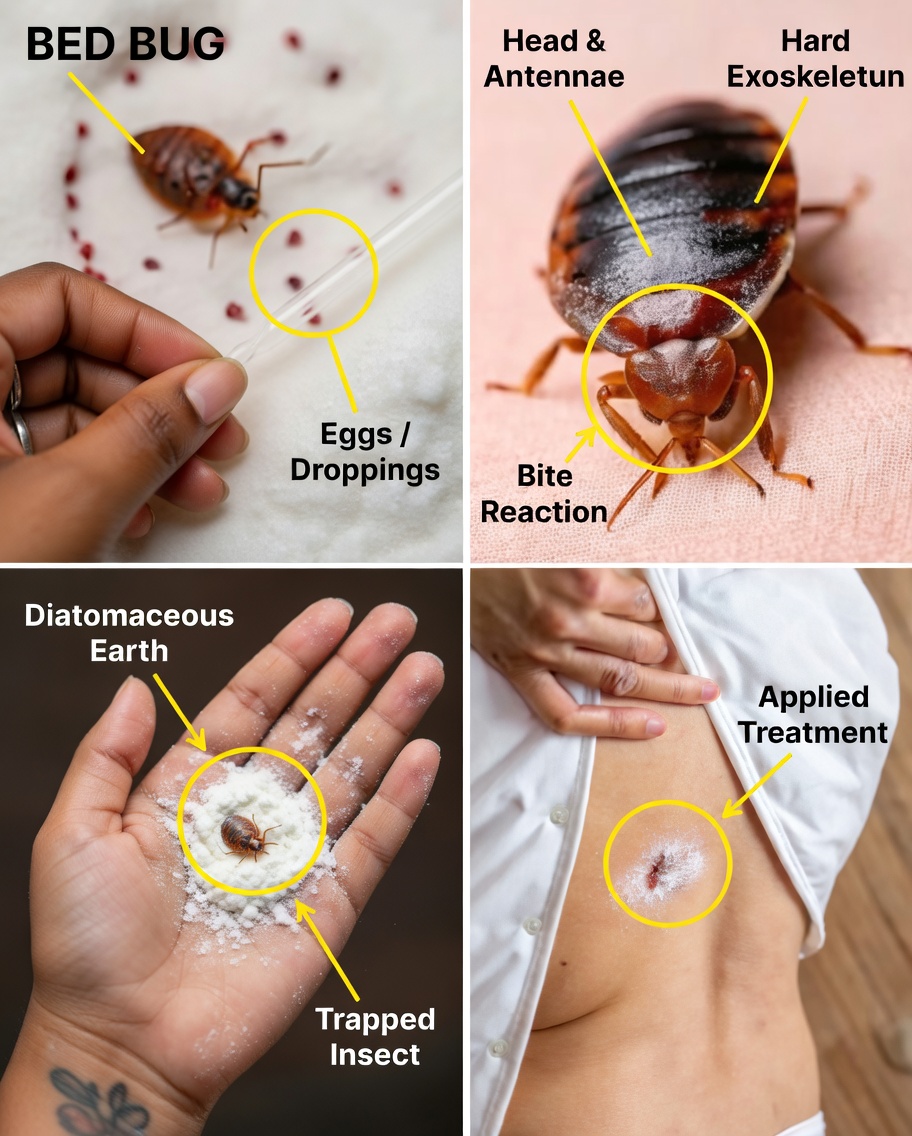
- Common hiding places: Mattress seams, bed frames, sofas, carpet edges, cracks in walls, and even electrical outlets
- What they eat: Human blood, typically feeding at night
- How long they live: Often 4–6 months, but they can survive over a year without feeding in some conditions
- How quickly they multiply: One female can lay 200–500 eggs during her lifetime
Common Signs of a Bedbug Infestation
Look for these typical indicators:
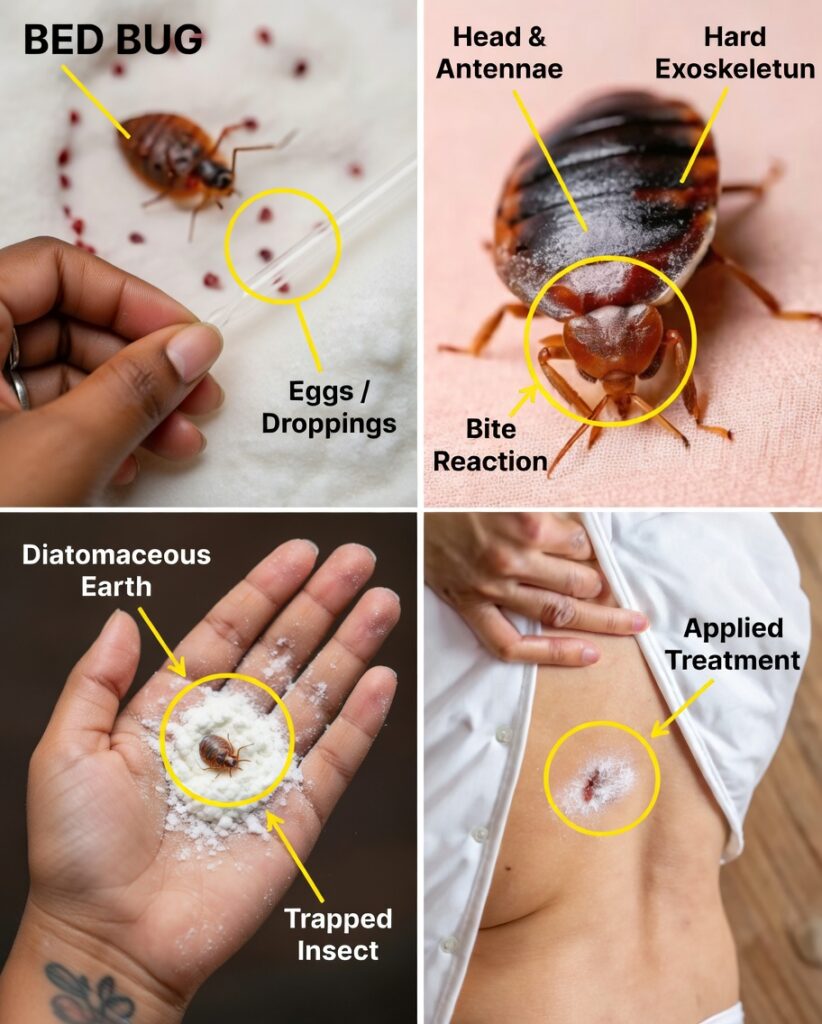
- Red, itchy bites, often appearing in lines or clusters
- Small blood spots on sheets or pillowcases
- A musty, unpleasant odor in heavily affected areas
- Tiny dark specks on mattresses or furniture (often bedbug droppings)
A Simple Natural Method to Eliminate Bedbugs
DIY Bedbug Spray (Natural Contact Killer + Repellent)
This homemade spray is designed to help kill bedbugs on contact while discouraging them from returning.
Ingredients
- 2 cups water
- 1 cup white vinegar (helps kill bedbugs and may damage eggs)
- 10 drops tea tree oil (natural insecticidal properties)
- 10 drops lavender oil (commonly used to repel insects)
- 1 teaspoon baking soda (can help dehydrate insects)
How to Make and Use
- Combine all ingredients in a spray bottle.
- Shake thoroughly before every application.
- Spray key areas: mattress seams, bed frame joints, furniture creases, carpets, baseboards, and wall cracks.
- Apply daily for 7 days for best results.
Extra Steps to Remove Bedbugs Completely
Natural sprays work best when combined with heat, cleaning, and prevention.
1) Wash and Heat-Treat Fabrics
- Wash bedding, clothing, and curtains in hot water (60°C / 140°F)
- Dry on high heat for at least 30 minutes
- Steam-clean mattresses and furniture—bedbugs can die at around 49°C / 120°F
2) Use Food-Grade Diatomaceous Earth
- Lightly dust food-grade diatomaceous earth around bed legs, along baseboards, and near furniture
- It works by drying out bedbugs, often within 48 hours
- Leave it in place for 2–3 days, then vacuum carefully and thoroughly
3) Deep Clean and Block Their Hiding Spots
- Vacuum daily, focusing on mattresses, carpets, furniture edges, and baseboards
- Seal cracks and crevices in walls, floors, and furniture
- Use bedbug-proof mattress and pillow encasements to trap remaining insects and reduce reinfestation
Important Precautions for Safe Bedbug Control
- Avoid using pesticides without proper guidance—many products don’t kill bedbug eggs
- Reduce clutter, since bedbugs hide easily in piles of clothing, boxes, and crowded furniture areas
- Inspect secondhand furniture carefully before bringing it indoors
Final Notes
Bedbugs are persistent, but they are not unbeatable. With steady daily treatment, heat cleaning, and prevention steps like sealing hiding places and using protective covers, you can get rid of bedbugs naturally and reclaim a peaceful, bite-free home.