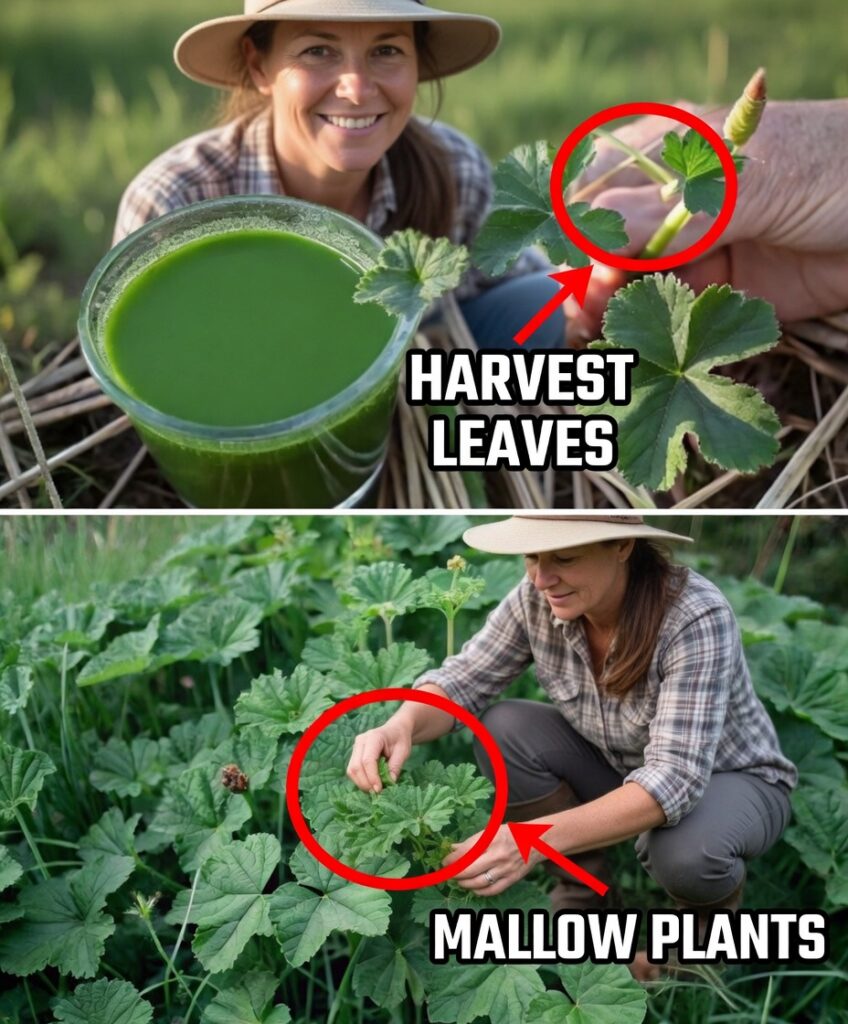
Common Mallow (Malva sylvestris): The “Weed” You May Want to Keep
Spotting common mallow (Malva sylvestris) in your garden often triggers an instant reaction: pull it out. Before you do, it’s worth a second look. This widespread plant—often labeled a weed—has a strong reputation in traditional use for its nutrition, soothing properties, and kitchen-friendly versatility.
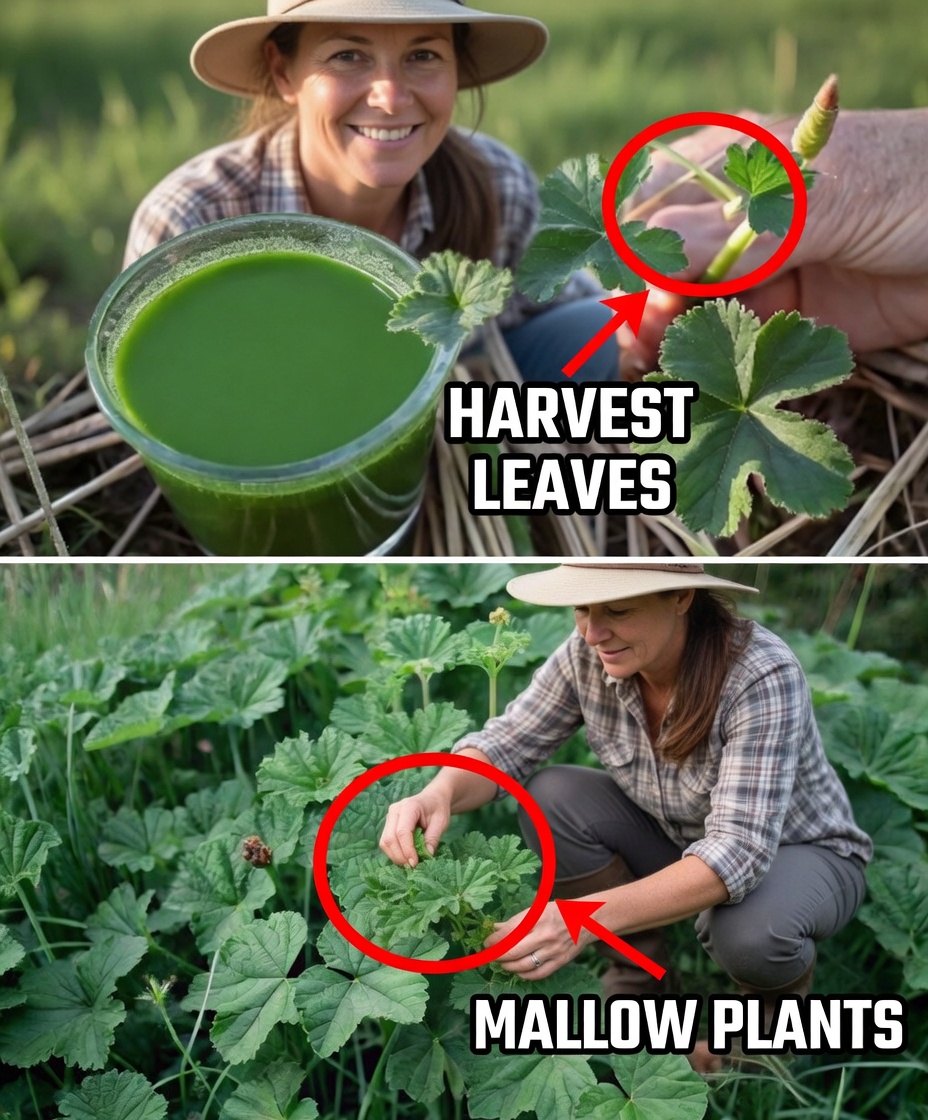
A Nutrient-Rich Wild Plant
Common mallow leaves and flowers contain a helpful mix of vitamins and minerals that can support everyday wellness, including:
- Vitamin A: contributes to normal vision and immune function
- Vitamin C: supports immune defenses and provides antioxidant support
- Vitamin E: helps protect cells from oxidative stress and supports skin health
- Calcium and magnesium: important for bones, muscles, and normal body function
If you’re interested in foraging or homegrown edible plants, common mallow can be a practical addition rather than a problem to remove.
Gentle Support for Digestion
One of the best-known common mallow benefits comes from its naturally occurring mucilage—a gel-like substance that can feel soothing.
It is traditionally used to help:
- Coat and comfort the digestive tract
- Calm irritation linked with indigestion or reflux
- Support smoother digestion
A simple mallow tea (infusion) is a popular way to use it when the stomach feels unsettled.
Natural Anti-Inflammatory Comfort
Common mallow contains plant compounds such as flavonoids and phenolic acids, which are associated with antioxidant and calming effects.
It’s commonly used for:
- Occasional joint stiffness and discomfort
- Throat irritation and coughing
- Soothing the skin, especially when used externally in traditional preparations such as a poultice
For people looking for gentle, plant-based options, mallow is often considered a mild, supportive herb.
Immune Support and Seasonal Wellness
During cold and flu season, many people turn to warming herbal drinks. Common mallow’s antioxidant content makes it a valued plant in traditional wellness routines, often used to:
- Support normal immune function
- Encourage comfort during seasonal colds
- Help the body handle everyday environmental stressors
A warm mallow infusion is a simple, approachable option when you want something soothing.
Skin and Respiratory Benefits
Common mallow is frequently mentioned in traditional use for both skin and respiratory comfort:
- Emollient (skin-softening) qualities: may help with dry, tight, or irritated skin
- Expectorant-style support: often used to help loosen mucus and ease coughing
For a gentle skincare approach, some people use mallow-infused water as a mild toner. For respiratory comfort, mallow tea is a common choice.
Edible Uses: Leaves and Flowers You Can Cook With
Yes—common mallow is edible, and its leaves and flowers can work well in everyday meals. Flavor is mild, and the texture can become pleasantly soft when cooked.
Easy ways to use it:
- Salads: add tender young leaves for a fresh, green boost
- Herbal tea: brew dried or fresh parts for a calming drink
- Soups and stews: use like spinach to add nutrients and a gentle thickening effect
Conclusion: Consider Harvesting Instead of Pulling
Instead of treating Malva sylvestris as something to eliminate, you may prefer to see it as a free, abundant wild edible with a long history of traditional use. With its nutritional profile, soothing mucilage, and flexible culinary options, common mallow can be a surprisingly valuable plant to have nearby.
Are you going to leave common mallow in your garden and put it to use?