Broadleaf Plantain (Plantago major): Benefits, Traditional Uses, and How to Use It
Often mistaken for an ordinary lawn weed, broadleaf plantain (Plantago major) is a well-known medicinal herb with a long history in traditional healing. Thanks to its anti-inflammatory, antimicrobial, and tissue-repair properties, plantain has been used to support everything from minor wounds and skin irritation to digestive discomfort and respiratory complaints.
Below is a practical guide to the key health benefits of broadleaf plantain, how it’s traditionally used, and simple ways to add it to your routine.
What Makes Broadleaf Plantain Medicinal?
Broadleaf plantain contains a mix of nutrients and plant compounds that help explain its traditional reputation:
- Vitamins A, C, and K: support immune function and skin health
- Minerals such as calcium, magnesium, and potassium: contribute to normal muscle and bone function
- Mucilage and tannins: help soothe irritated tissues and support the body’s natural repair processes
- Aucubin and allantoin: compounds associated with antibacterial support and skin recovery
Together, these components make plantain a popular herb in natural wellness and home first-aid traditions.
Health Benefits of Broadleaf Plantain
1) Supports Wound Care, Minor Cuts, and Insect Bites
Broadleaf plantain is frequently used topically because it may help calm redness and discomfort while supporting clean healing.
Common traditional uses include:
- Helping minor cuts and scrapes recover faster
- Easing the sting and itch of insect bites
- Soothing irritation from small burns and abrasions
How to use it
- Fresh leaf application: Crush clean, fresh leaves and apply the expressed moisture to the area.
- Plantain salve: Use a prepared balm for convenient, longer-term use.
2) Helps Soothe Coughs and Respiratory Discomfort
Plantain is often described as a gentle herbal expectorant, meaning it may help loosen mucus and comfort the throat.
Traditionally, it’s used to:
- Support easier clearing of mucus
- Calm a dry, irritated throat
- Provide comfort during seasonal respiratory issues
How to use it
- Plantain tea: Steep 1 teaspoon of dried leaves in hot water for 10 minutes.
- Optional: add honey and lemon to support throat comfort.
3) Promotes Digestive Comfort and Gut Support
Because plantain can be soothing to irritated tissues, it has a history of use for everyday digestive complaints.
It may be used to:
- Settle mild stomach irritation
- Support comfort with occasional reflux-like symptoms
- Help normalize bowel function during occasional constipation or loose stools
How to use it
- Drink plantain tea after meals as a gentle digestive herbal infusion.
- In traditional practice, some people chew a clean, young leaf for short-term stomach comfort.
4) Traditional Support for Urinary Tract Comfort
Broadleaf plantain is sometimes used for urinary support due to its mild diuretic action, which may help encourage fluid movement through the urinary tract.
How to use it
- Drink plantain leaf tea once or twice daily for short-term support.
5) Soothes Skin Irritation, Rashes, and Dry Patches
Plantain’s calming properties make it a common choice for topical skin support, especially when the skin feels itchy or reactive.
It’s often used for:
- Dry, irritated areas (including eczema-like discomfort)
- Mild rashes and redness
- Plant-related irritation (such as poison ivy exposure)
- Bug bites and minor burns
How to use it
- Apply plantain-infused oil to dry or irritated areas.
- Use fresh leaves as a compress by crushing them and placing them on the affected skin.
6) Supports the Body’s Defenses
With traditional antimicrobial and immune-support associations, plantain is commonly used during times when immune resilience is especially important.
People often use it to:
- Support recovery during seasonal challenges
- Help protect against minor infections
- Complement an immune-support routine
How to use it
- Drink plantain tea regularly during high-risk seasons.
- Add young leaves to meals for a simple nutrient boost.
How to Use Broadleaf Plantain: Simple Options
You can use broadleaf plantain in several practical forms:
- Plantain tea: Steep 1 teaspoon dried leaves in hot water for 10 minutes.
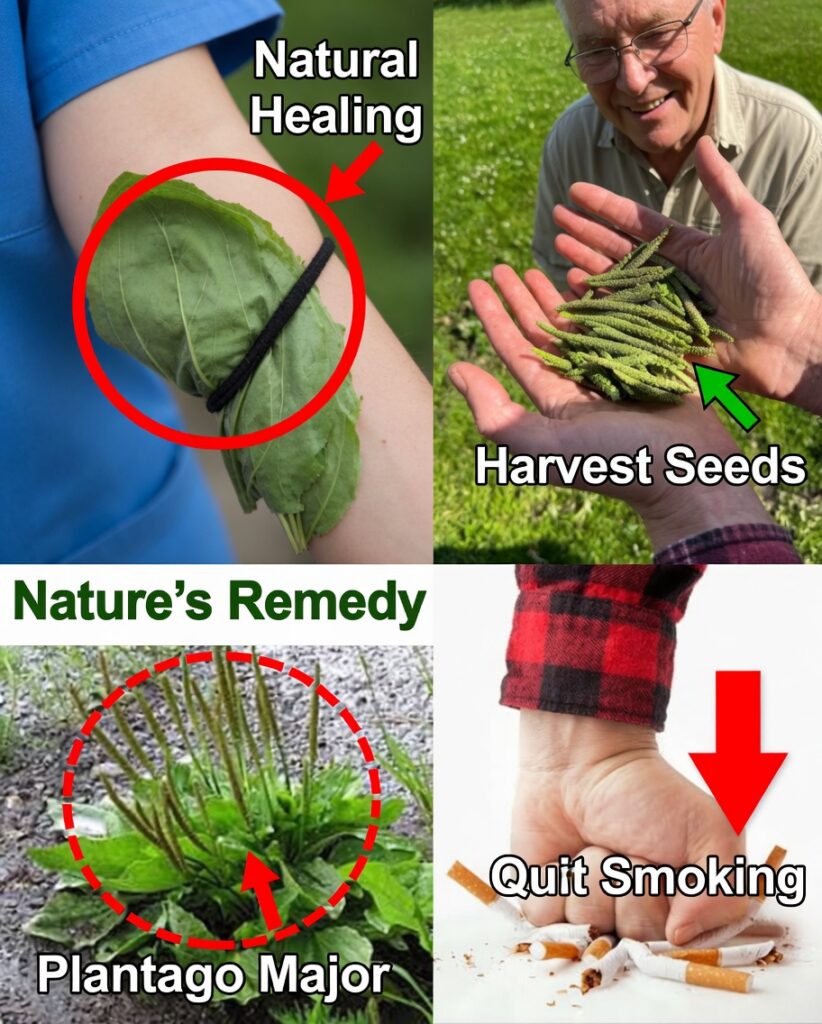
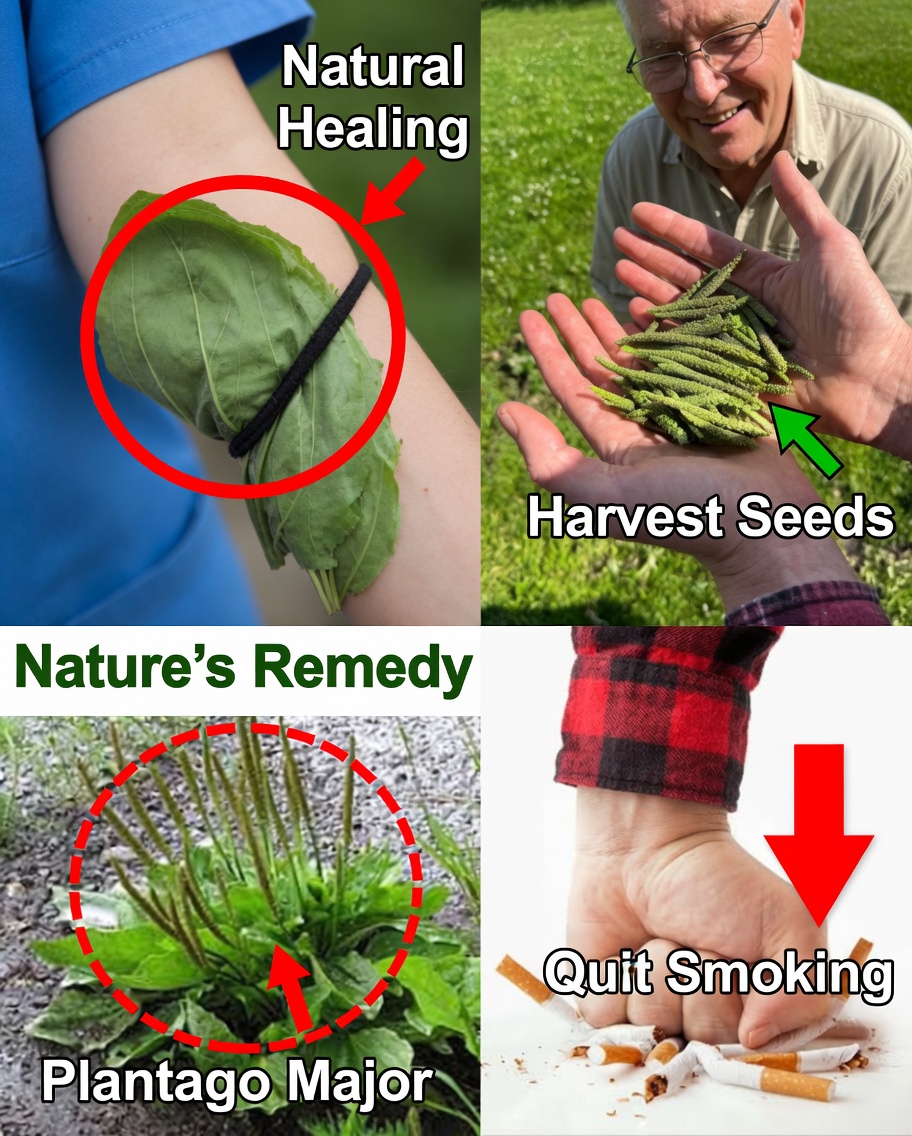
- Poultice (fresh leaf): Crush clean leaves and place directly on bites, stings, or small skin irritations.
- Plantain salve: Infuse dried leaves in olive oil, then thicken with beeswax to create a protective balm.
- Plantain syrup: Simmer leaves gently and combine with honey as a traditional soothing syrup for coughs.
- Edible greens: Use young leaves in salads, soups, or smoothies (older leaves can be tougher and more bitter).
Precautions: Who Should Be Careful?
Broadleaf plantain is widely used in traditional herbal practice, but it isn’t for everyone.
- If you have blood clotting concerns or take related medications, consult a healthcare professional before using plantain (it contains vitamin K).
- If you are pregnant or breastfeeding, use caution and seek medical advice first.
- For topical use, do a patch test to check for sensitivity or allergy.
- Always make sure the plant is correctly identified and harvested from areas free of pesticides and roadside contaminants.
Final Thoughts
Broadleaf plantain (Plantago major) is far more than a garden weed. As a versatile herbal remedy, it’s valued for supporting skin repair, respiratory comfort, digestive wellness, and immune health. Whether you prefer it as a tea, poultice, infused oil, or salve, plantain is a practical plant to know—especially for natural, everyday support.