Corn Silk: Benefits, Uses, and Safety Tips
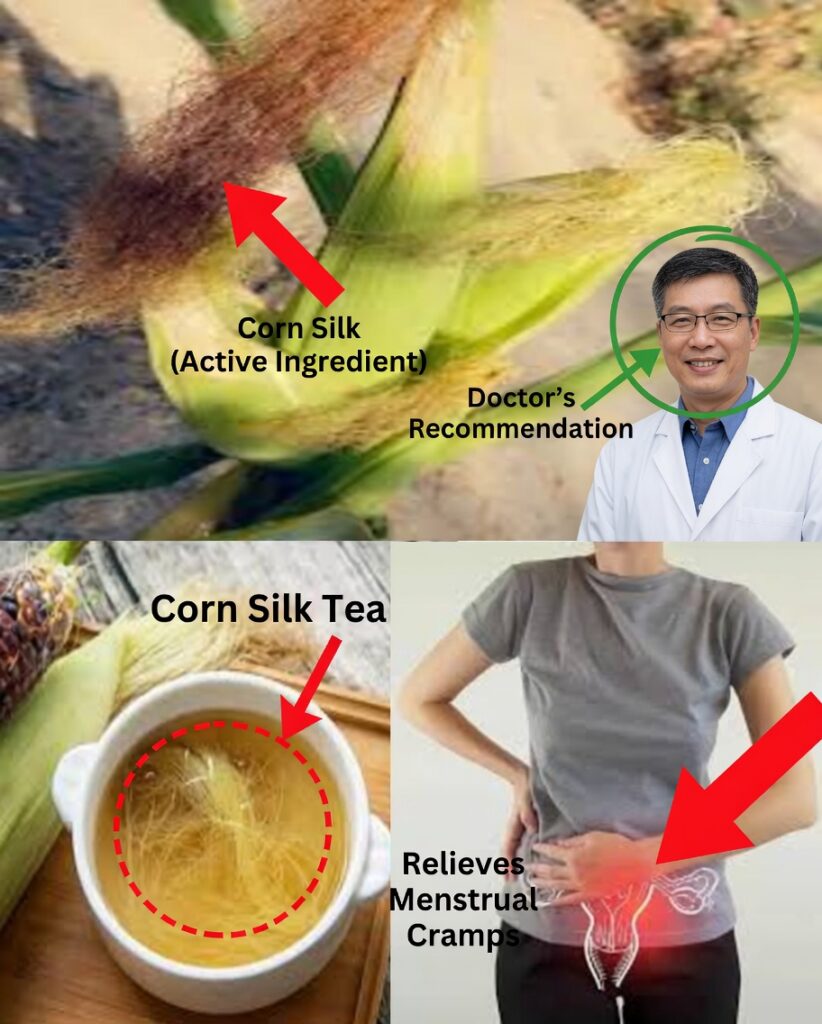
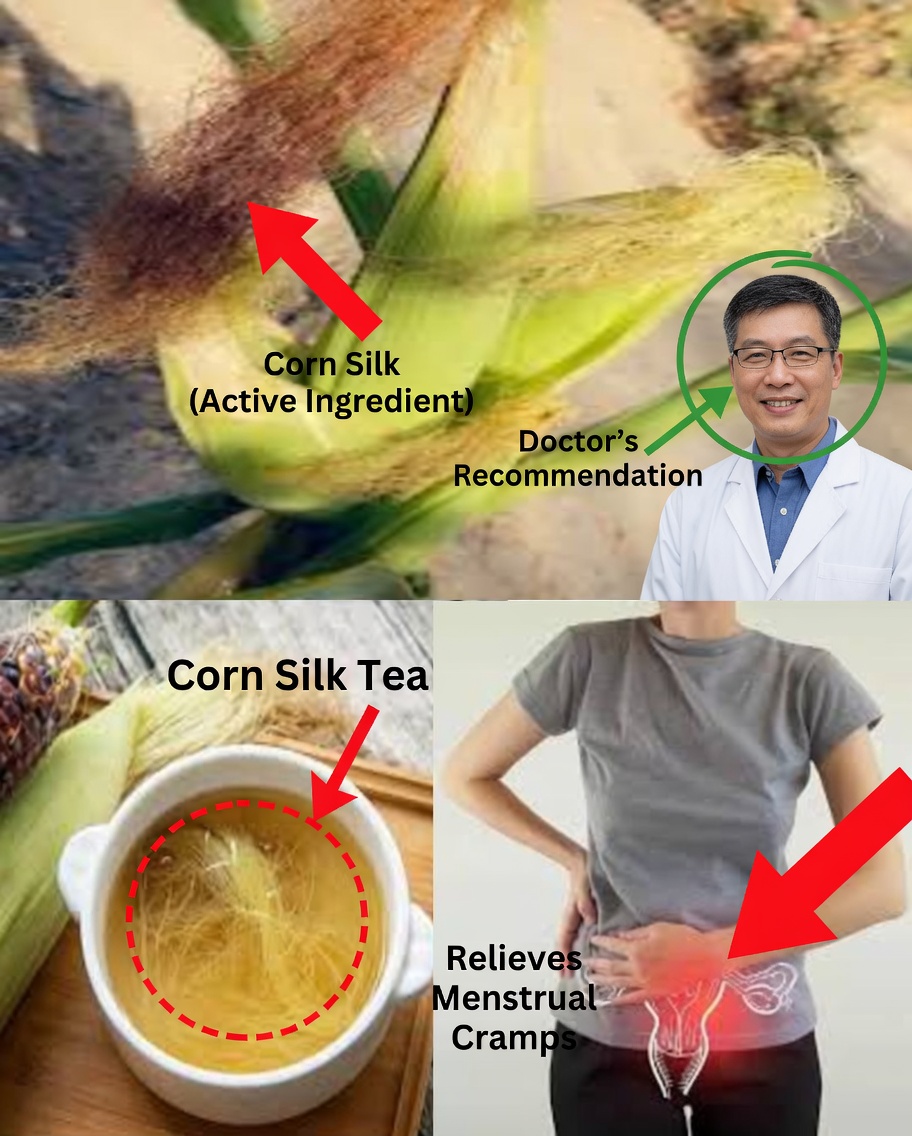
Corn silk—the soft, hair-like threads tucked under a corn husk—has a long history in traditional herbal medicine. Although many people throw it away, corn silk contains antioxidants, flavonoids, and key nutrients that may support everyday wellness. It’s best known for helping the urinary system, calming inflammation, and offering gentle detox support.
What Is Corn Silk?
Corn silk comes from Zea mays and refers to the long, silky strands attached to the ear of corn. In several traditional healing systems—including Native American practices, Traditional Chinese Medicine, and Ayurveda—corn silk has been used as a soothing herb for fluid balance and urinary comfort. Its mix of plant compounds and micronutrients makes it a popular natural remedy in herbal routines.
Health Benefits of Corn Silk
1. Supports Kidney and Urinary Tract Health
Corn silk is often described as a natural diuretic, meaning it may encourage urine flow and help the body release excess fluid. It is commonly used to:
- Help reduce discomfort linked to urinary tract infections (UTIs)
- Support the body’s ability to flush the urinary system
- Lower irritation and inflammation that can affect the bladder and urinary tract
- Potentially reduce risk factors associated with kidney stone formation
2. May Help Lower High Blood Pressure
Because it can promote fluid elimination, corn silk may assist in reducing sodium and water retention, which can support healthier blood pressure levels. Some research also suggests it may help circulation, contributing to overall cardiovascular support.
3. Helps Regulate Blood Sugar
Corn silk contains bioactive plant compounds that may help with blood sugar management. Traditionally, it has been used as a supportive herb for diabetes-related concerns by:
- Supporting insulin sensitivity
- Helping reduce sharp post-meal blood sugar spikes
- Offering antioxidant protection against oxidative stress
4. Antioxidant and Anti-Inflammatory Support
Rich in flavonoids and antioxidants, corn silk may help the body manage inflammation and free-radical damage. This can be useful for people looking for natural support with:
- Arthritis
- Gout
- Other chronic inflammation-related discomforts
5. May Support Liver Detox Pathways
Corn silk is also used in wellness traditions to support liver function and the body’s natural detox processes. By helping the body eliminate waste more efficiently, it can complement a gentle cleansing routine.
6. Promotes Digestive Comfort
Corn silk’s soothing properties may ease occasional digestive issues such as bloating, mild discomfort, or indigestion. Many people use it as a warm herbal tea to support overall gut comfort.
How to Use Corn Silk
1. Corn Silk Tea (Simple Herbal Infusion)
Ingredients
- 2 tbsp fresh or dried corn silk
- 2 cups water
- Honey or lemon (optional)
Directions
- Bring the water to a boil.
- Add the corn silk and reduce heat to a gentle simmer.
- Simmer for 10–15 minutes.
- Strain and drink warm, up to twice daily.
2. Corn Silk Extract or Tincture
Corn silk liquid extracts are widely available in herbal shops and supplement stores. Use only as directed on the label, since concentrations vary by brand.
3. Corn Silk Powder
Dried corn silk can be finely ground and mixed into:
- Smoothies
- Soups
- Herbal blends
4. Corn Silk Capsules
For convenient daily use, corn silk is also sold in capsule supplements. Choose reputable brands and follow the suggested serving size.
Precautions and Possible Side Effects
- Allergy risk: People with corn allergies may react to corn silk. Stop use if you notice itching, rash, swelling, or breathing trouble.
- Low blood pressure concerns: Since corn silk may lower blood pressure, those with hypotension should speak with a healthcare professional first.
- Medication interactions: Corn silk may interact with diuretics, blood pressure medications, and diabetes drugs. Consult your clinician if you take any of these.
- Pregnancy and breastfeeding: Safety data is limited, so it’s best to avoid corn silk or use it only under medical guidance.
Final Thoughts
Corn silk is an often-overlooked herbal ingredient with a wide range of traditional uses—from urinary and kidney support to anti-inflammatory and antioxidant benefits. Whether you drink it as tea or take it in supplement form, it can be a simple addition to a wellness routine. For best results, use it responsibly, keep servings moderate, and seek medical advice if you have ongoing health conditions or take prescription medications.