Mahabala (Sida rhombifolia): Ayurvedic Herb for Strength, Vitality, and Wellness
Mahabala, botanically identified as Sida rhombifolia, is a highly valued herb in Ayurvedic medicine thanks to its wide range of traditional health uses. It belongs to the Malvaceae plant family and is closely connected to other well-known Ayurvedic herbs such as Bala (Sida cordifolia) and Atibala (Abutilon indicum).
The term “Mahabala” literally means “great strength,” a name that reflects its long-standing role in supporting energy, resilience, and overall vitality.

Key Health Benefits of Mahabala
1. Boosts Physical Strength and Stamina
Mahabala is commonly used to support muscle strength, endurance, and recovery. It is often recommended in traditional practice for people experiencing weakness, low energy, or post-illness fatigue.
2. Supports Male Reproductive Health
In Ayurveda, Mahabala is associated with strengthening reproductive function. It is traditionally used to help improve male fertility, including support for sperm count and motility, and may be helpful in concerns such as:
- Oligospermia (low sperm count)
- Asthenozoospermia (reduced sperm motility)
3. Helps Reduce Pain and Inflammation
Mahabala is known for anti-inflammatory and pain-relieving actions. It may be beneficial for managing discomfort related to:
- Joint pain
- Arthritis
- Muscle soreness
4. Promotes Healthier Skin
Because it contains antioxidant compounds, Mahabala may help counter oxidative stress, which is linked to visible aging and dull skin. It is also traditionally used as supportive care for certain skin conditions, including:
- Eczema
- Psoriasis
5. Supports Respiratory Comfort
Mahabala has a history of use for respiratory wellness. It may help ease symptoms by supporting mucus clearance and soothing the airways in conditions such as:
- Cough
- Bronchitis
- Asthma
6. Aids Digestion and Gut Function
This herb is also used to encourage healthy digestion. Traditional uses include supporting:
- Better digestion and appetite
- Relief from constipation
- Overall gastrointestinal balance
7. Helps Maintain Healthy Blood Sugar Levels
Some research suggests Mahabala may contribute to blood sugar regulation, making it of interest for individuals managing diabetes or insulin resistance (under professional guidance).
8. Supports Liver Health
Mahabala is often described as having hepatoprotective properties, meaning it may help support the liver’s role in detoxification and overall liver function.
How to Use Mahabala (Forms and Dosage)
Mahabala is available in several common preparations, including:
- Powder
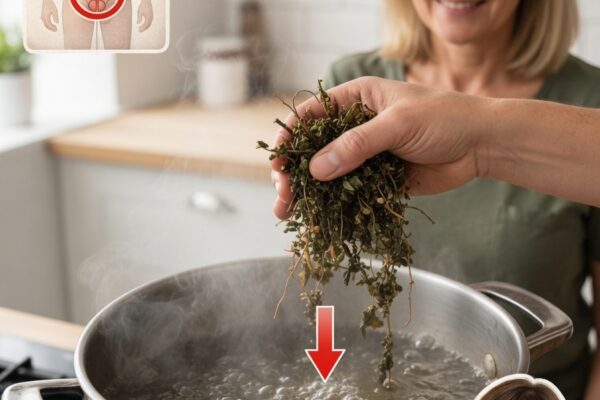
- Decoction
- Capsules
Dosage and duration can vary depending on age, health status, and the specific goal, so it’s best to follow advice from a qualified healthcare practitioner (such as an Ayurvedic professional).
Precautions and Safety Notes
Mahabala is generally considered safe when used appropriately, but overuse may cause unwanted effects. For safety:
- Pregnant or breastfeeding women should consult a healthcare provider before use.
- People with ongoing medical conditions or those taking medication should seek professional guidance prior to adding Mahabala to a routine.
Conclusion
Adding Mahabala (Sida rhombifolia) to a wellness routine may offer broad support for strength, stamina, reproductive health, inflammation management, skin health, digestion, respiratory comfort, blood sugar balance, and liver function. For best results and safe use, consult a qualified practitioner to determine the right form and dosage for your needs.