
Mimosa Pudica (Sensitive Plant): Uses, Benefits, and How to Take It
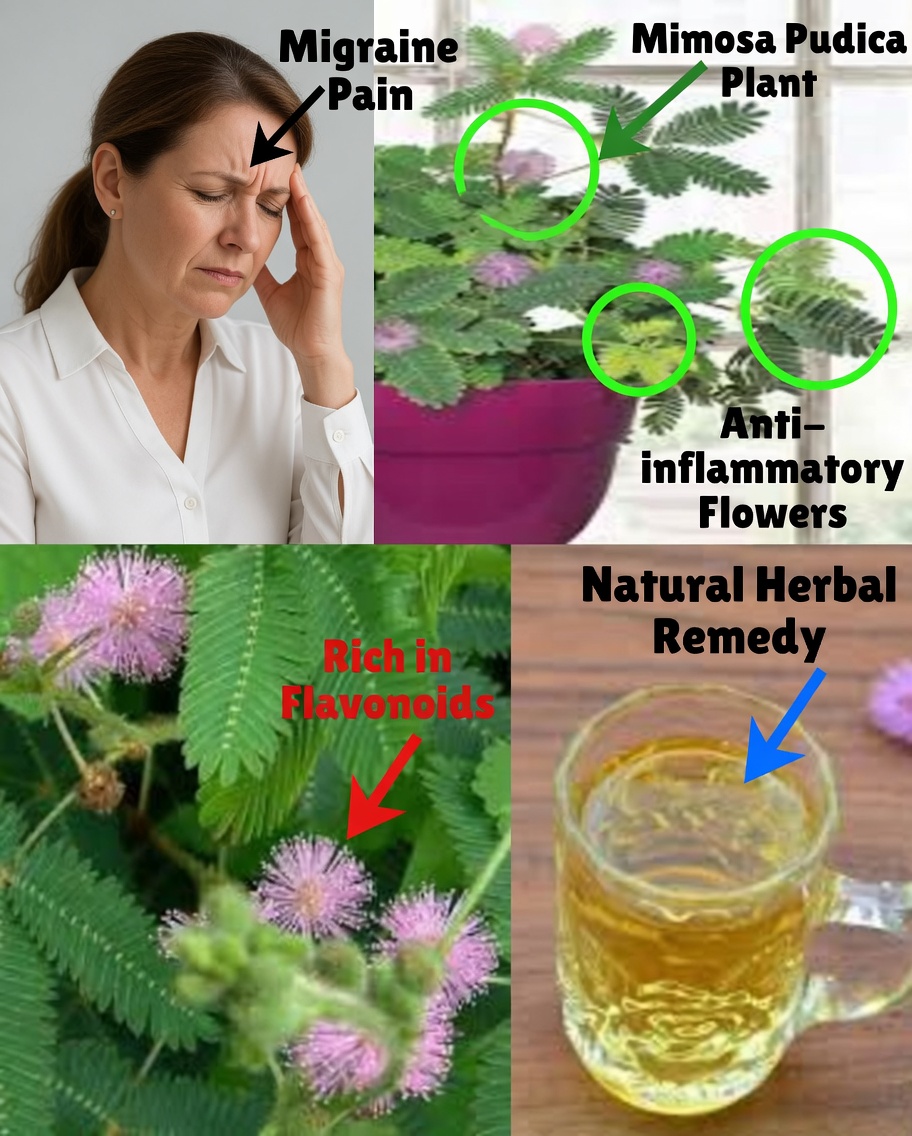
Mimosa pudica—often called the Sensitive Plant or Touch-Me-Not—is famous for folding its leaves when touched. But its value goes far beyond that unique “movement.” For generations, Mimosa pudica has been used in traditional wellness practices for a wide range of potential health-supporting properties, from gut cleansing to immune support.
1) Natural Detox Support and Parasite Cleanse
One of the best-known Mimosa pudica benefits is its role in digestive detoxification. The plant’s naturally sticky, mucilage-like compounds are often described as helping bind unwanted material in the digestive tract, supporting intestinal cleansing.
Potential benefits:
- Supports removal of intestinal parasites and worms
- Helps cleanse the gut for better digestive comfort
- May support nutrient absorption by improving gut conditions
How to use:
- Take Mimosa pudica seed powder in capsules, or mix the powder with water as part of a cleanse routine.
2) Digestive Health and Gut Comfort
For people dealing with common digestive complaints like bloating, gas, or indigestion, Mimosa pudica is often used to help calm and support the gastrointestinal system.
Potential benefits:
- Helps relieve bloating, constipation, and acid reflux discomfort
- Commonly used in protocols for “leaky gut” support
- May soothe inflammation in the digestive tract
How to use:
- Drink Mimosa pudica tea regularly to support digestion and overall gut function.
3) Antibacterial and Antiviral Support
Mimosa pudica is also recognized for its traditional use in wellness routines aimed at microbial balance, thanks to its antibacterial and antiviral properties.
Potential benefits:
- May support the body during urinary tract discomfort (UTIs)
- Helps reinforce defenses against respiratory infections
- Contributes to overall immune resilience
How to use:
- Prepare a Mimosa pudica infusion and use it as part of an immune-support routine.
4) Blood Sugar Balance and Diabetes Support
Research and traditional use suggest Mimosa pudica may help support healthy blood glucose levels, making it of interest for people managing insulin resistance or diabetes (with medical guidance).
Potential benefits:
- Supports healthy blood sugar control
- May improve insulin sensitivity
- Helps reduce risk factors associated with diabetic complications
How to use:
- Consider a daily Mimosa pudica extract as part of a broader blood sugar support plan.
5) Calming Effects: Stress Relief and Better Sleep
Mimosa pudica has a reputation for supporting the nervous system, which is why it’s often used for stress, anxious feelings, and sleep support.
Potential benefits:
- Helps reduce stress and tension
- May improve sleep quality
- Supports mental clarity and healthy brain function
How to use:
- Drink a warm cup of Mimosa pudica tea before bed to encourage relaxation.
6) Anti-Inflammatory Benefits and Pain Relief
Thanks to its anti-inflammatory properties, Mimosa pudica is sometimes used to help ease discomfort related to joint pain, arthritis, and muscle soreness.
Potential benefits:
- Helps reduce swelling, stiffness, and inflammation
- Supports comfort in joints and muscles
- May promote faster recovery from minor injuries and wounds
How to use:
- Apply a leaf paste (poultice) to affected areas for localized relief.
7) Heart Health and Circulation Support
By supporting circulation and helping maintain healthy cholesterol levels, Mimosa pudica may contribute to overall cardiovascular wellness.
Potential benefits:
- Helps lower “bad” cholesterol (LDL)
- Supports healthy blood pressure balance
- Promotes circulation and oxygen delivery
How to use:
- Add Mimosa pudica supplements to a daily routine designed for heart health support.
8) Immune System Support
Mimosa pudica is commonly used to strengthen the body’s natural defenses, especially as part of routines focused on reducing pathogen load and supporting overall wellness.
Potential benefits:
- Helps the body fight infections and viruses
- Supports immune balance, including autoimmune-focused wellness routines
- Strengthens natural defense mechanisms
How to use:
- Use Mimosa pudica tea or juice as a natural immune-support option.
9) Antioxidants and Potential Cancer-Related Support
Some studies indicate Mimosa pudica contains antioxidants and bioactive compounds that may help protect cells from oxidative stress—an important factor in long-term health.
Potential benefits:
- Helps neutralize free radicals
- Supports protection against cellular damage
- Encourages healthy cell renewal and regeneration
How to use:
- Drink Mimosa pudica tea consistently to support cellular wellness.
How to Use Mimosa Pudica Daily
You can incorporate Mimosa pudica into your routine in several convenient forms:
- Tea: Brew dried leaves for a soothing herbal drink with detox-supporting qualities
- Capsules: A practical option for seed powder, commonly used for gut and parasite cleansing
- Tincture: A concentrated form for targeted wellness support
- Poultice: Crushed leaves applied to minor wounds, burns, or swollen joints for topical comfort
Final Thoughts: Is Mimosa Pudica Worth Trying?
Mimosa pudica isn’t just a plant with an impressive touch response—it’s also a widely used botanical with a long history in traditional wellness. Whether your goal is detox support, digestive health, stress relief, or immune strengthening, Mimosa pudica may be a valuable addition to a well-rounded routine.
Would you try Mimosa pudica? Share your thoughts in the comments.