Wrist Ganglion (Synovial Cyst): What It Is and Why It Happens
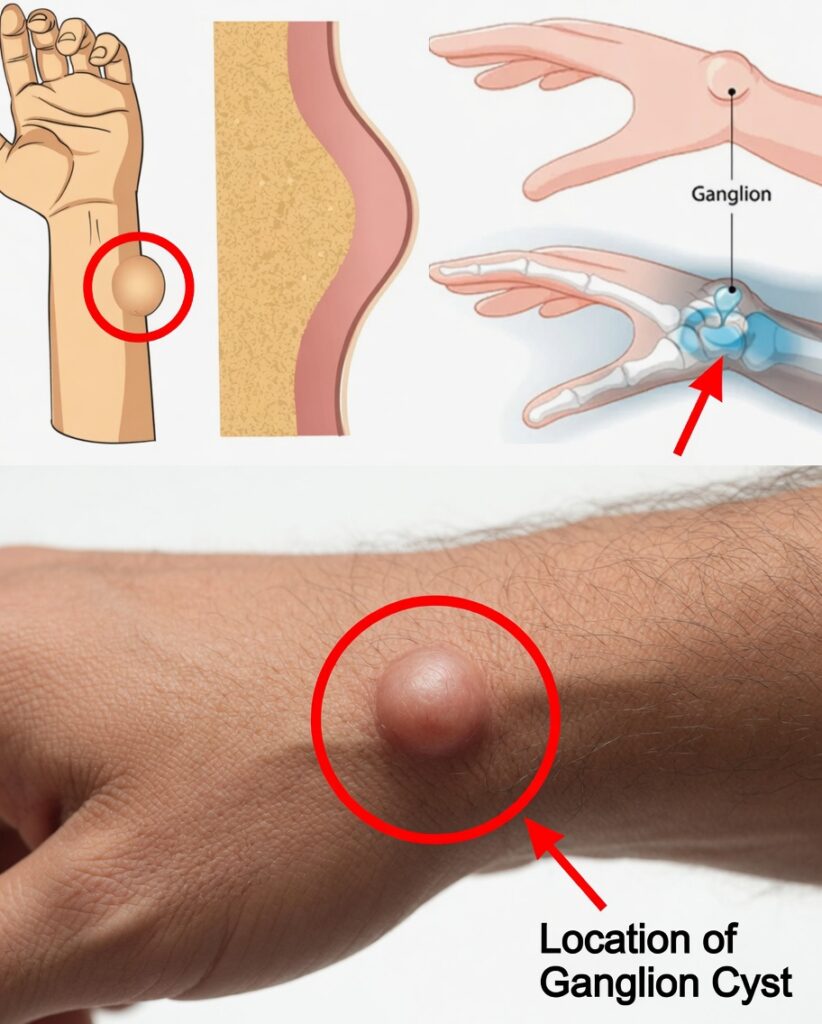
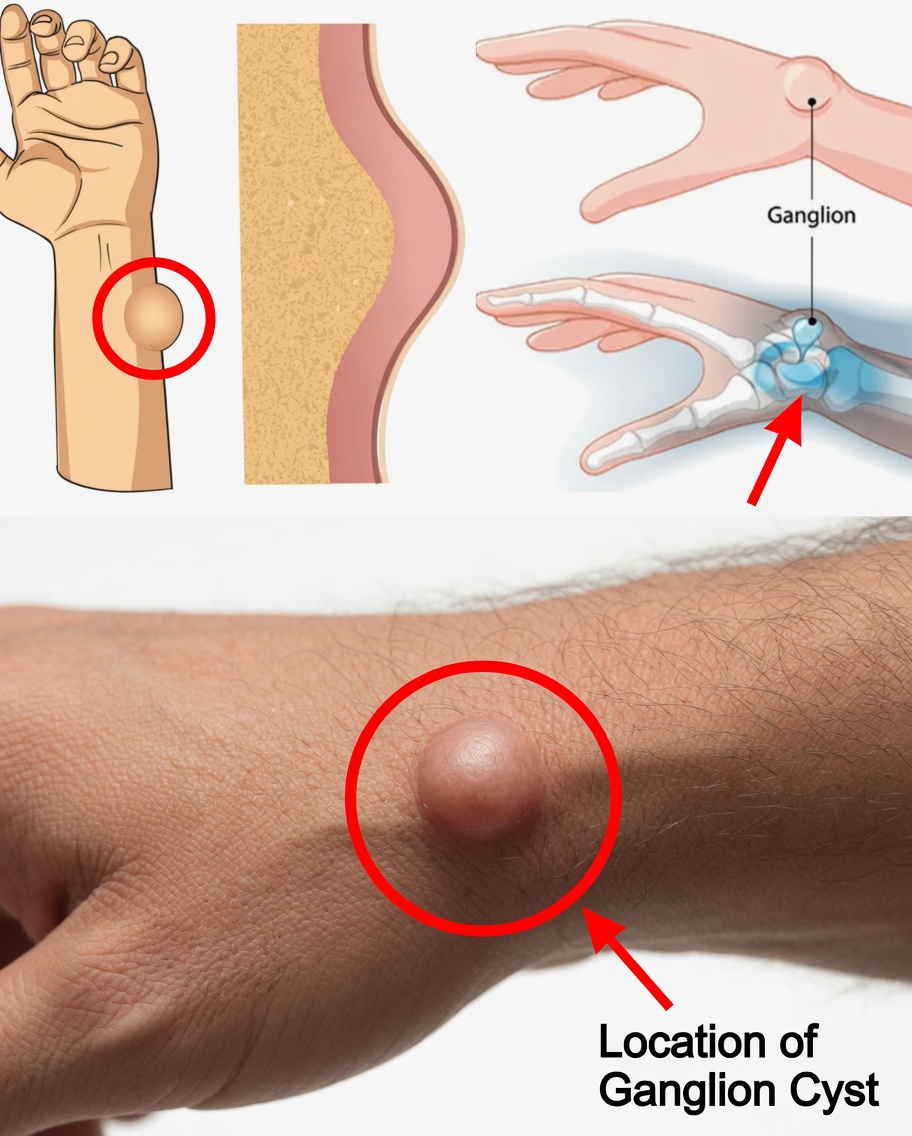
A wrist ganglion, often called a synovial cyst, is a non-cancerous, fluid-filled lump that usually develops on the back of the wrist (most common) or the front of the wrist. While it’s generally harmless, it may cause pain, discomfort, or reduced wrist movement, especially during daily activities.
Why Does a Wrist Ganglion Develop?
A ganglion cyst forms when synovial fluid—the natural lubricant that helps joints and tendons move smoothly—collects in an abnormal pocket, such as a small capsule or bursa near the joint. The exact cause isn’t always clear, but several factors may increase the likelihood of developing a wrist ganglion:
- Repetitive wrist use: Frequent motions from typing, writing, sports, or manual work can strain the joint and surrounding tissues.
- Previous wrist injury: A sprain, impact, or other trauma may contribute to cyst formation.
- Arthritis: In some cases, osteoarthritis is associated with the development of ganglion cysts.
- Genetic predisposition: Some people may be more prone due to family history.
Common Wrist Ganglion Symptoms
Wrist ganglions can change size over time, sometimes becoming larger or shrinking on their own. Typical signs and symptoms include:
- A visible, soft or firm bump on the wrist
- Pain or aching, especially with wrist movement or pressure
- A sensation of tightness or pressure
- Tingling or numbness if the cyst presses on a nearby nerve
Wrist Ganglion Treatment Options
Treatment depends on whether the cyst causes symptoms such as pain or limited mobility, as well as its size and location. Common treatment approaches include:
-
Observation (Watchful Waiting)
If the cyst is not painful and doesn’t limit function, a doctor may recommend simply monitoring it, since some ganglions resolve without treatment. -
Immobilization
Using a wrist brace or splint can help reduce stress on the joint. Less movement may decrease irritation and sometimes prevent the cyst from increasing in size. -
Aspiration (Needle Drainage)
A healthcare professional can remove the fluid with a needle. This may relieve symptoms, but recurrence is possible because the cyst wall may remain. -
Surgical Removal
If the ganglion causes significant pain, frequent recurrence, or restricted wrist motion, surgical excision may be recommended. Surgery generally offers a lower recurrence risk than aspiration.
Conclusion
A wrist ganglion cyst is a benign condition, but it can still be uncomfortable or interfere with everyday wrist use. Because symptoms and treatment needs vary, it’s important to consult a medical professional to confirm the diagnosis and choose the most appropriate management option.