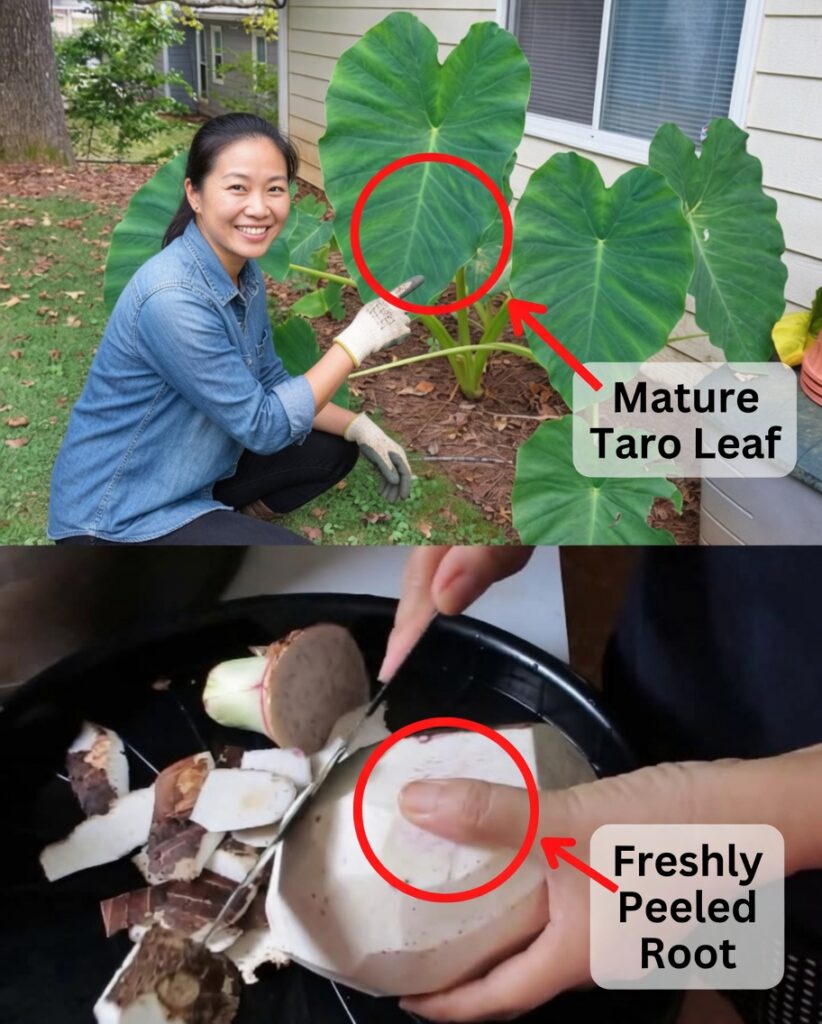
Taro (Colocasia esculenta): A Nutritious Root Vegetable for Savory and Sweet Recipes
Taro (Colocasia esculenta) is a nutrient-rich root vegetable enjoyed across tropical and subtropical regions for generations. Loved for its creamy, starchy texture and gentle sweetness with a mild nutty note, taro fits easily into everyday cooking—whether you’re making comforting soups, crispy snacks, or coconut-based desserts.
Beyond its culinary flexibility, taro is also known for supporting digestion, strengthening immunity, and supplying important vitamins and minerals. Below are three tasty, easy ways to add taro to your meals.
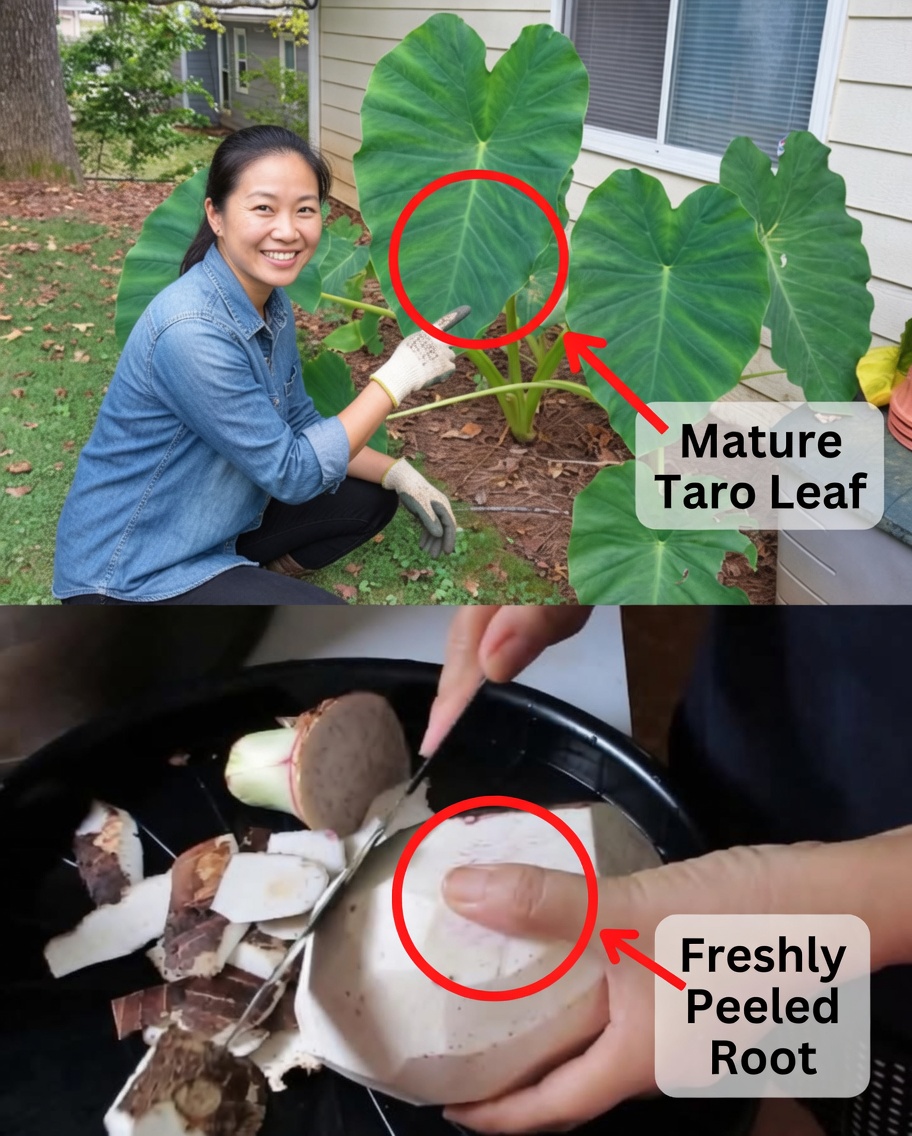
1) Creamy Taro Soup
Ingredients
- 1 onion, chopped
- 2 cups taro root, peeled and diced
- 4 cups vegetable broth
- 2 garlic cloves, minced
- 1 cup coconut milk
- 1 tbsp olive oil
- Salt and pepper, to taste
- Chopped cilantro, for garnish
Instructions
- Warm the olive oil in a pot over medium heat. Add the onion and garlic, then sauté until aromatic.
- Stir in the diced taro and pour in the vegetable broth. Bring to a boil, then lower the heat and simmer for 20–25 minutes, or until the taro is tender.
- Blend the soup until smooth, then return it to the pot. Mix in coconut milk, salt, and pepper.
- Simmer for about 5 more minutes. Serve hot topped with chopped cilantro.
2) Baked Taro Fries
Ingredients
- 2 large taro roots, peeled and cut into fry shapes
- 2 tbsp olive oil
- 1 tsp paprika
- 1/2 tsp garlic powder
- Salt and pepper, to taste
Instructions
- Preheat the oven to 400°F (200°C).
- In a bowl, coat the taro fries with olive oil, paprika, garlic powder, salt, and pepper.
- Spread the fries in a single layer on a baking sheet. Bake for 25–30 minutes, turning halfway through, until golden and crisp.
- Serve immediately with your preferred dipping sauce.
3) Sweet Taro Dessert (Taro Pudding)
Ingredients
- 2 cups taro, peeled and diced
- 1 cup water
- 1/2 cup coconut milk
- 1/4 cup sugar (adjust to taste)
- 1 tsp vanilla extract
Instructions
- Boil the taro in water for 15–20 minutes, or until very soft.
- Drain if needed, then mash the taro until smooth.
- Add coconut milk, sugar, and vanilla. Simmer for about 5 minutes, stirring constantly to prevent sticking.
- Enjoy warm for a cozy dessert or chill it for a thicker, creamy texture.
Health Benefits of Taro
Taro is more than a filling carbohydrate—it also provides several wellness advantages:
- High in fiber: Supports healthy digestion and can help prevent constipation.
- Immune support: Contains antioxidants, including vitamin C, which contribute to stronger immune function.
- Heart-friendly nutrients: A good source of potassium, which helps maintain healthy blood pressure.
- Long-lasting energy: Packed with complex carbohydrates for steady, sustained fuel.
- Skin support: Includes vitamin E and antioxidants that help protect and maintain healthy-looking skin.
How to Store Taro Properly
To keep taro fresh and safe to use, follow these storage tips:
- Whole, unpeeled taro roots: Store in a cool, dark, dry place for up to 2 weeks.
- Peeled and cut taro: Refrigerate in an airtight container and use within 3–4 days.
- Cooked taro: Freeze in a sealed container for up to 3 months.
Traditional and Herbal Uses of Taro
In various traditional practices, taro has been used in simple home remedies:
- For digestion: Soft, boiled taro is often considered gentle on the stomach.
- For skin comfort: A taro paste may be applied to irritated skin to help calm inflammation.
- For energy and recovery: Taro is sometimes used as a strengthening food after illness to help restore energy.