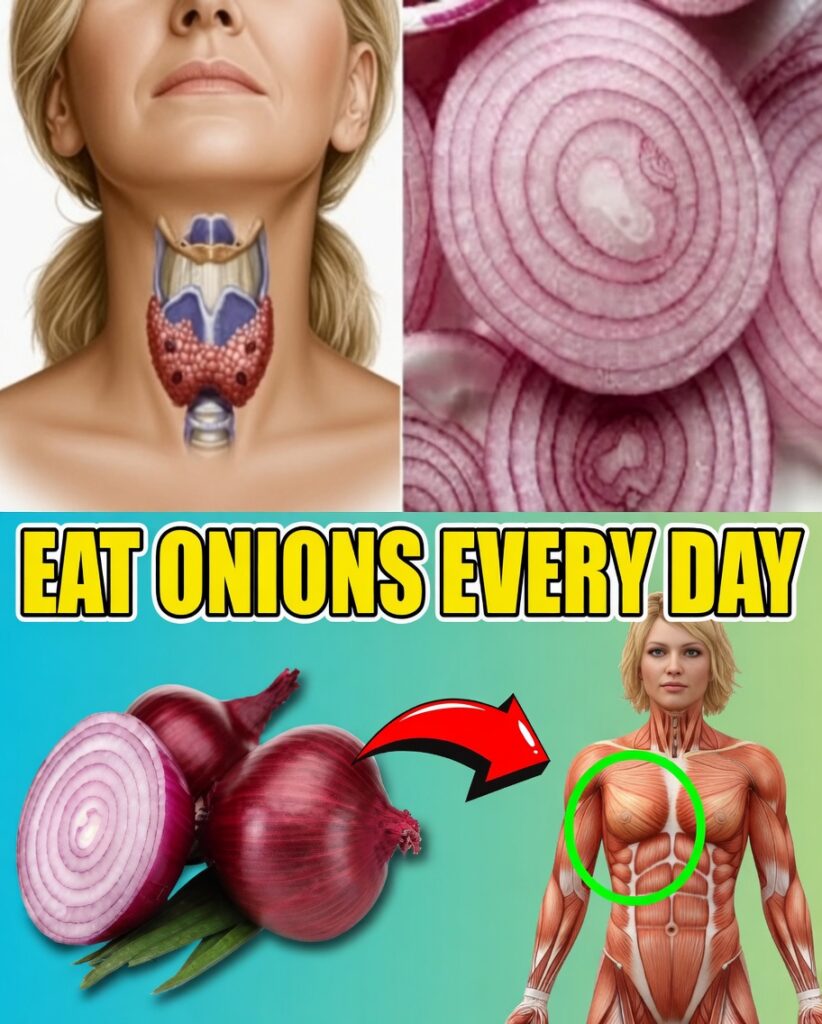
Onions: A Nutrient-Dense Superfood With Powerful Health Benefits
Onions are far more than a staple ingredient that adds flavor to everyday meals. For centuries, people have valued onions for their natural medicinal properties—and modern nutrition backs that up. Packed with antioxidants, vitamins, and sulfur-containing compounds, onions can support everything from immune function to heart health.
1. Supports Heart Health
Onions are rich in quercetin, a well-known antioxidant linked to cardiovascular support. Regularly eating onions may help:
- Support healthy blood pressure
- Lower LDL (bad) cholesterol
- Reduce the risk of blood clot formation
Easy idea: Add raw onion to salads, sandwiches, or fresh salsa for a simple heart-friendly upgrade.
2. Helps Strengthen Immunity and Fight Infections
The combination of sulfur compounds and vitamin C in onions can help your body defend itself by:
- Supporting the fight against bacteria, viruses, and fungi
- Helping reduce cold and flu discomfort
- Acting like a natural antimicrobial aid
Traditional home remedy: Mix a small amount of onion juice with honey and take a spoonful to soothe a sore throat.
3. Supports Balanced Blood Sugar
Onions contain natural compounds that may assist with insulin function, making them helpful for people managing diabetes—or anyone aiming for steadier energy after meals. They may:
- Help stabilize post-meal blood sugar
- Improve insulin sensitivity
- Reduce sudden spikes in glucose
How to eat more: Toss onions into stir-fries, soups, lentil dishes, or curries for a blood-sugar-friendly addition.
4. Boosts Brain Health and Memory
Thanks to antioxidants like quercetin, onions may help protect brain cells and support long-term cognitive health by:
- Reducing inflammation in the brain
- Supporting memory and concentration
- Potentially lowering the risk of age-related cognitive decline
Best approach: Enjoy onions raw or lightly cooked to preserve more beneficial compounds.
5. Improves Digestion and Gut Health
Onions are a natural source of prebiotics, which feed beneficial gut bacteria. A healthier gut can lead to:
- Smoother digestion
- Less bloating and constipation
- Better nutrient absorption
Try this combo: Pair onions with fermented foods such as kimchi or pickles for a gut-supporting meal.
6. Supports Bone Health and May Reduce Osteoporosis Risk
Some studies suggest onions may contribute to stronger bones by helping:
- Improve bone density
- Support calcium absorption
- Lower the risk of osteoporosis, especially with regular intake
Simple use: Add onions to stews, broths, and soups—comfort food with potential bone benefits.
7. Natural Detox Support for Liver and Blood
Onions are often described as a natural detoxifier because they may support the body’s cleansing processes by:
- Encouraging liver detox enzyme activity
- Helping the body eliminate certain chemicals and heavy metals
- Supporting overall blood purification
Popular detox-style drink: Blend onion juice with lemon and honey for a traditional natural cleanse.
8. Promotes Healthier Skin and Hair
Onions provide vitamins and antioxidants—especially vitamins A, C, and E—that can support appearance and skin resilience. Potential benefits include:
- Supporting smoother-looking skin and slowing visible aging
- Helping fight acne and minor skin infections
- Encouraging hair growth and reducing hair fall in some cases
DIY hair care: Apply onion juice to the scalp, leave for about 30 minutes, then rinse with a mild shampoo.
Simple Ways to Add More Onions to Your Diet
Try incorporating onions in different forms to keep meals interesting:
- Raw in salads and sandwiches
- Slowly caramelized for deeper flavor
- Blended into soups (and even some savory smoothies)
- Pickled for a tangy, probiotic-friendly topping
Final Thoughts
Onions are not just a cooking essential—they’re a nutrient-rich food that can support heart health, immunity, digestion, blood sugar balance, and even skin and hair wellness. Whether you enjoy them raw, cooked, or used in traditional home remedies, onions can be a practical and powerful part of a healthy diet.
Which onion benefit did you find most surprising?