Kyllinga brevifolia (Green Kyllinga): Traditional Uses, Health Benefits, and How to Use It
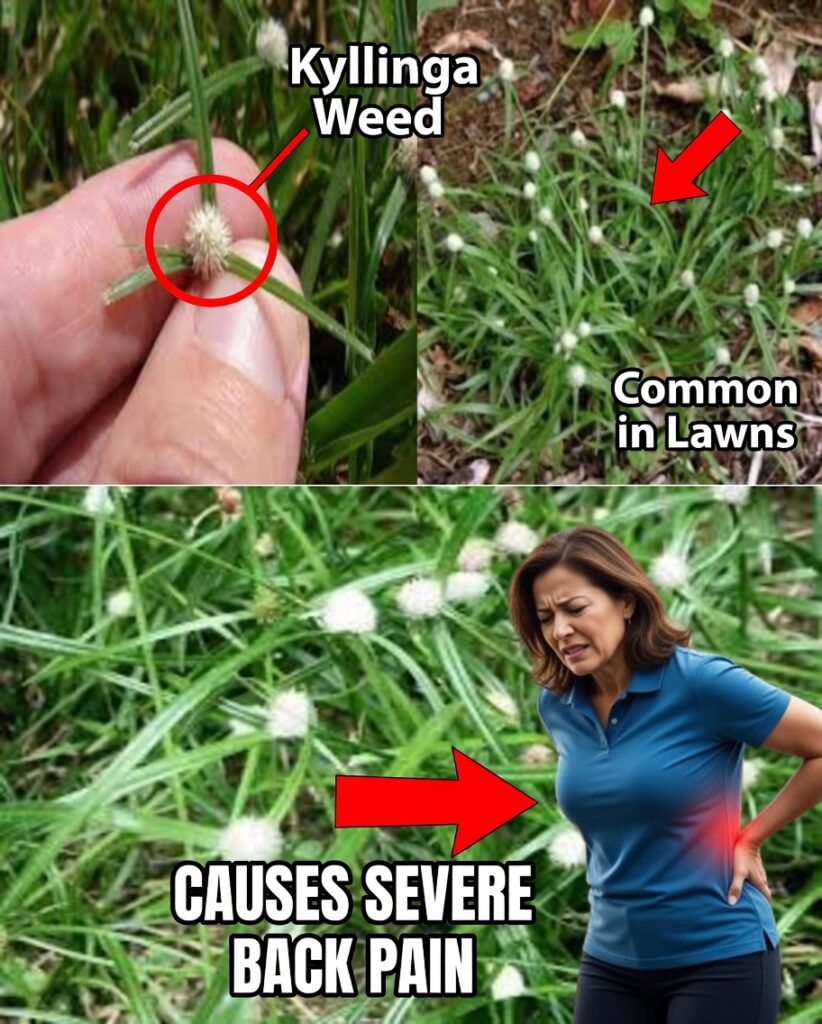
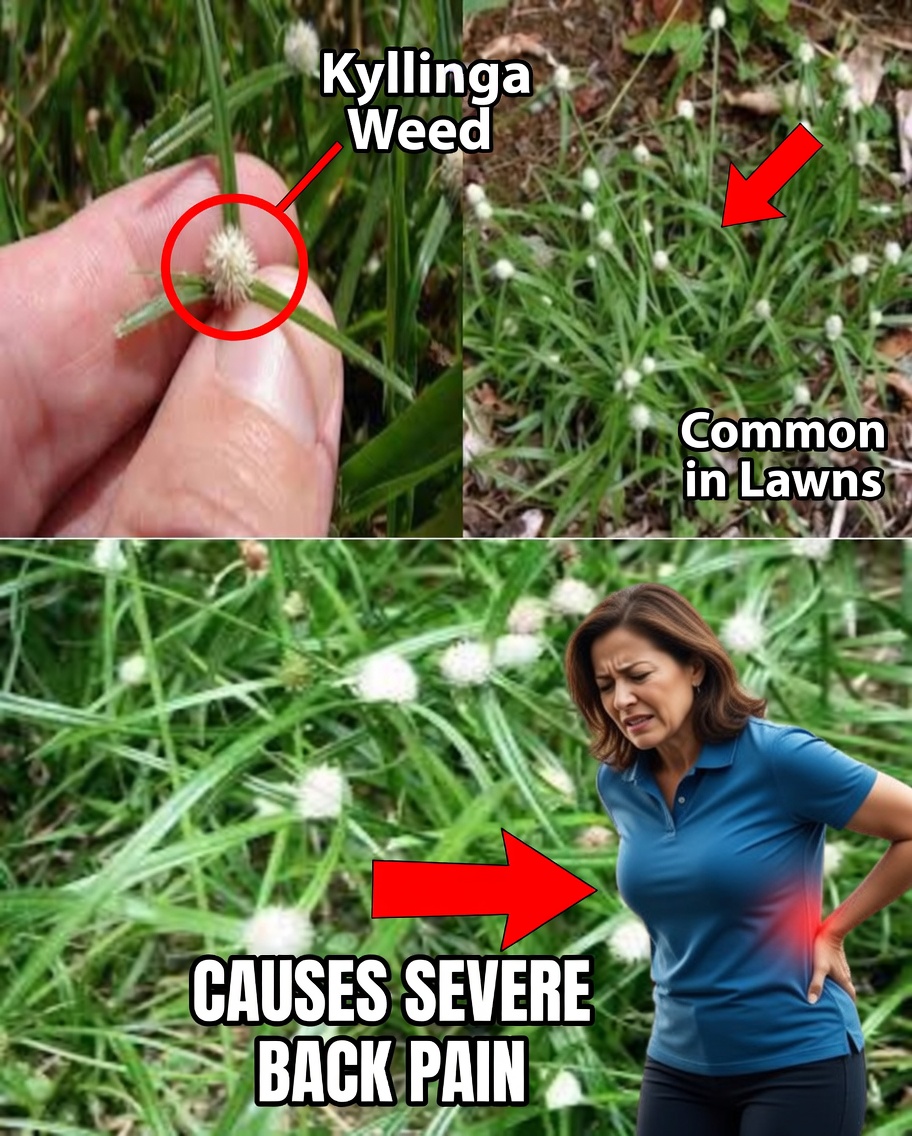
Kyllinga brevifolia, widely called green kyllinga or shortleaf spikesedge, is a tough, grass-like plant that grows across many tropical and subtropical regions. Although it’s often labeled a lawn weed, it has a long history in traditional healing systems, where it’s valued for its anti-inflammatory, antibacterial, and cleansing (detoxifying) qualities.
Health Benefits of Kyllinga brevifolia
1. Helps Calm Inflammation Naturally
Green kyllinga is traditionally used as a natural anti-inflammatory. It may support relief from:
- Joint discomfort and stiffness
- Swelling
- Arthritis-related aches
It has also been used to ease skin irritation and reduce swelling around minor wounds.
2. Supports Digestion and Relieves Stomach Discomfort
In herbal practice, Kyllinga brevifolia is often chosen to help with:
- Indigestion
- Bloating
- Mild gastric discomfort
Its natural plant compounds are believed to encourage digestion and soothe an irritated stomach.
3. Antibacterial and Antifungal Support
Traditional use and emerging research suggest green kyllinga may help fight certain bacteria and fungi. It is commonly used to:
- Support wound care
- Help manage fungal skin issues, including concerns like athlete’s foot
4. Promotes Detox and Urinary Tract Cleansing
Kyllinga brevifolia is frequently described as a natural diuretic, meaning it may encourage urination and help the body flush waste. This is why it’s traditionally used to support:
- Liver and kidney cleansing
- Urinary tract health
It may be used as a supportive herb for UTI-related discomfort and other urinary concerns.
5. Fever Support and Immune Defense
In Ayurvedic and other traditional systems, Kyllinga brevifolia has been used to:
- Help the body manage fever
- Provide general immune support during colds, flu, and seasonal infections
6. Skin Care and Wound Healing
Because it combines anti-inflammatory and antimicrobial properties, green kyllinga is sometimes applied topically to:
- Minor cuts and scrapes
- Burns
- Skin irritation or mild infections
Traditional use suggests it may support faster healing and help reduce visible marks.
7. May Help with Blood Sugar Balance
Some studies indicate Kyllinga brevifolia could play a role in supporting healthy blood sugar levels, which may be helpful for people concerned about insulin resistance or managing diabetes (as supportive care).
How to Use Kyllinga brevifolia
1. Herbal Tea for Digestion and Detox Support
Ingredients
- 1 tablespoon dried Kyllinga brevifolia leaves or roots
- 2 cups water
- 1 teaspoon honey (optional)
- 1/2 lemon (optional, for flavor)
Directions
- Bring 2 cups of water to a boil.
- Add the dried leaves or roots.
- Reduce heat and simmer for 5–10 minutes.
- Strain, then add honey or lemon if you like.
- Drink 1–2 times per day for digestive comfort and gentle cleansing support.
2. Topical Poultice for Skin Irritation and Minor Wounds
Directions
- Crush fresh leaves into a thick paste.
- Apply to the affected area (such as minor wounds, rashes, or insect bites).
- Leave in place for 20–30 minutes.
- Rinse with warm water.
3. Root Decoction for Fever and Infection Support
Ingredients
- 2 tablespoons dried roots
- 3 cups water
Directions
- Boil the roots in water for 15–20 minutes.
- Strain and allow it to cool.
- Take 1/2 cup every 6 hours as traditionally used to support fever reduction.
Final Thoughts
Kyllinga brevifolia (green kyllinga) is often dismissed as an invasive plant, yet traditional medicine has used it for generations as a versatile botanical. From digestive support and detoxifying effects to immune support and skin care, it demonstrates how everyday plants can have meaningful herbal value.