Ingredients
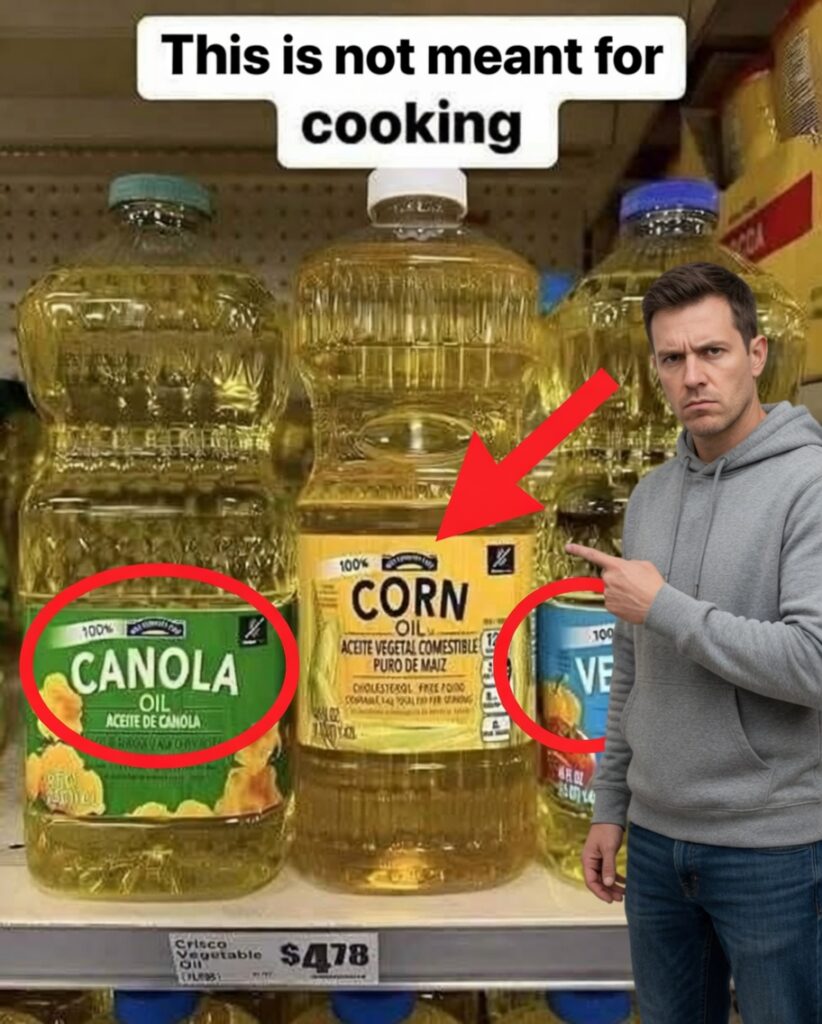
Choosing the right cooking oil matters for your long-term health. Although canola oil, corn oil, and generic vegetable oil are widely available and budget-friendly, they may not be the best everyday option—especially as you get older. Understanding how these oils are made and how they behave during cooking can help you make smarter, healthier choices.

Why Canola, Corn, and Vegetable Oils May Be Less Ideal
High in Omega-6 Fats (and Easy to Overdo)
These common seed oils tend to contain high levels of omega-6 fatty acids. Omega-6 is essential, but too much—without enough omega-3—can create an imbalance that may contribute to chronic inflammation. Over time, this type of inflammation has been associated with concerns such as:
- Heart disease
- Obesity
- Inflammatory conditions
As you age, keeping inflammation in check becomes a more important part of protecting overall wellness.
Heavily Refined and Lower in Natural Nutrients
Canola, corn, and many vegetable oils typically go through intensive industrial processing, often involving high heat and chemical solvents. This refining can remove naturally occurring antioxidants and nutrients found in less processed oils. For older adults especially, choosing foods and fats with better nutritional value can support healthy aging.
Lower to Moderate Smoke Points
An oil’s smoke point is the temperature where it begins to burn and break down. When oils overheat, they can produce undesirable compounds and create off flavors in food. Using these oils for high-heat cooking (like frying) increases the chance of degradation—something worth avoiding when focusing on heart health and overall well-being.
Potential Formation of Trans Fats During Processing
Even though amounts may be small, the refining process can lead to the formation of trans fats. Trans fats are linked to:
- Higher LDL (“bad”) cholesterol
- Lower HDL (“good”) cholesterol
- Increased risk of heart disease, stroke, and type 2 diabetes
Because the effects build over time, minimizing exposure is a practical step toward healthier aging.
Healthier Cooking Oil Alternatives to Consider
If you want oils that are typically less processed and more stable for cooking, these options are widely recommended:
- Extra Virgin Olive Oil: High in antioxidants and monounsaturated fats; best for low to medium heat cooking.
- Coconut Oil: More stable at higher temperatures; useful for higher-heat cooking.
- Avocado Oil: Known for a high smoke point, making it suitable for high-heat cooking and frying.
- Ghee (Clarified Butter): High smoke point and rich flavor; works well for high-temperature cooking.
The Bottom Line
Canola, corn, and vegetable oils may be convenient, but they can come with drawbacks—particularly related to inflammation, heavy processing, heat stability, and trans fat formation. Swapping to more stable, nutrient-friendly oils is a simple change that may help reduce inflammation, limit exposure to harmful breakdown products, and better support your health as you age.