Why Limescale Builds Up in Electric Kettles
If you look closely at your electric kettle—especially around the base and inner walls—you’ll often spot a familiar problem: limescale (tartar). This happens when your tap water contains a high level of minerals, which gradually stick to surfaces that are constantly exposed to water.
Why Removing Scale Matters
Limescale isn’t just unattractive—it can become a real nuisance over time. When deposits build up, they may lead to performance issues and, in extreme cases, even contribute to damage in hot water systems, such as tanks that can develop leaks after heavy scale accumulation.
Because kettles are sensitive appliances, it’s important to use a method that cleans effectively without harming the material. The good news is that there’s a simple, safe, and low-effort solution.
How Often Should You Clean an Electric Kettle?
Regular cleaning is essential. A good guideline is to descale your kettle every three months, although you may need to do it more often if you live in an area with hard water.
Easy Homemade Method to Descale an Electric Kettle
This quick home trick works well because kettles are designed to handle liquids, so a gentle descaling mixture won’t damage the inside when used correctly.
Steps to Get Your Kettle Looking Like New
-
Prepare the solution
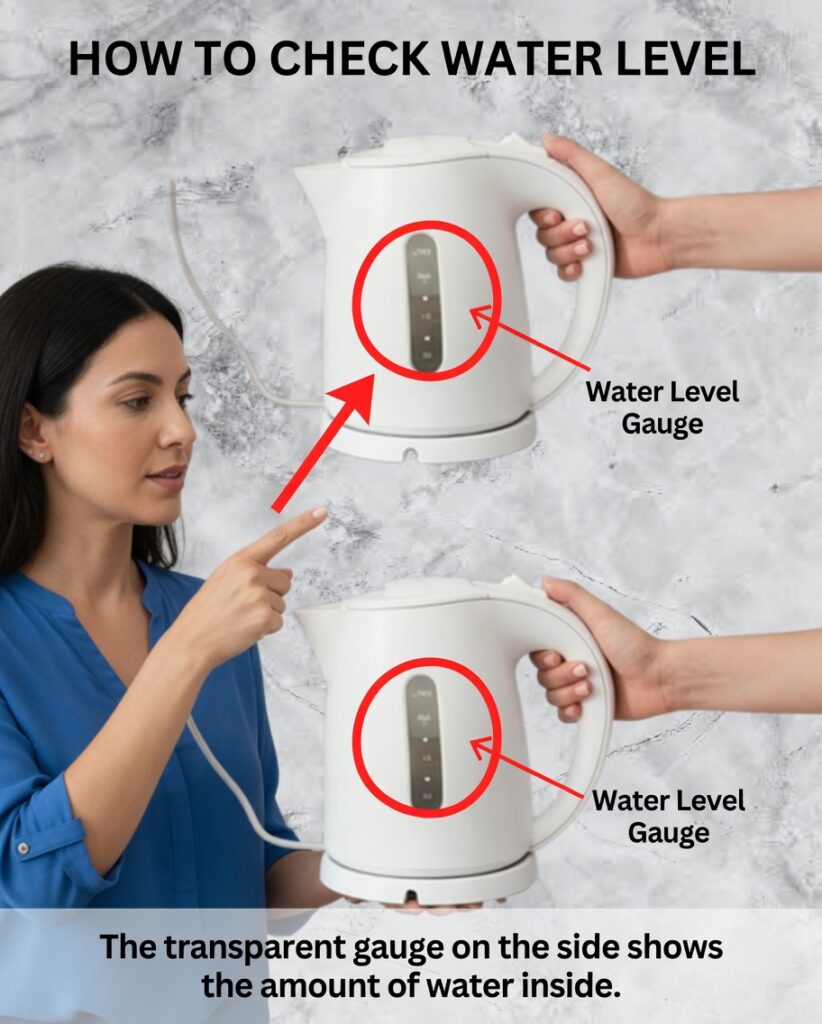
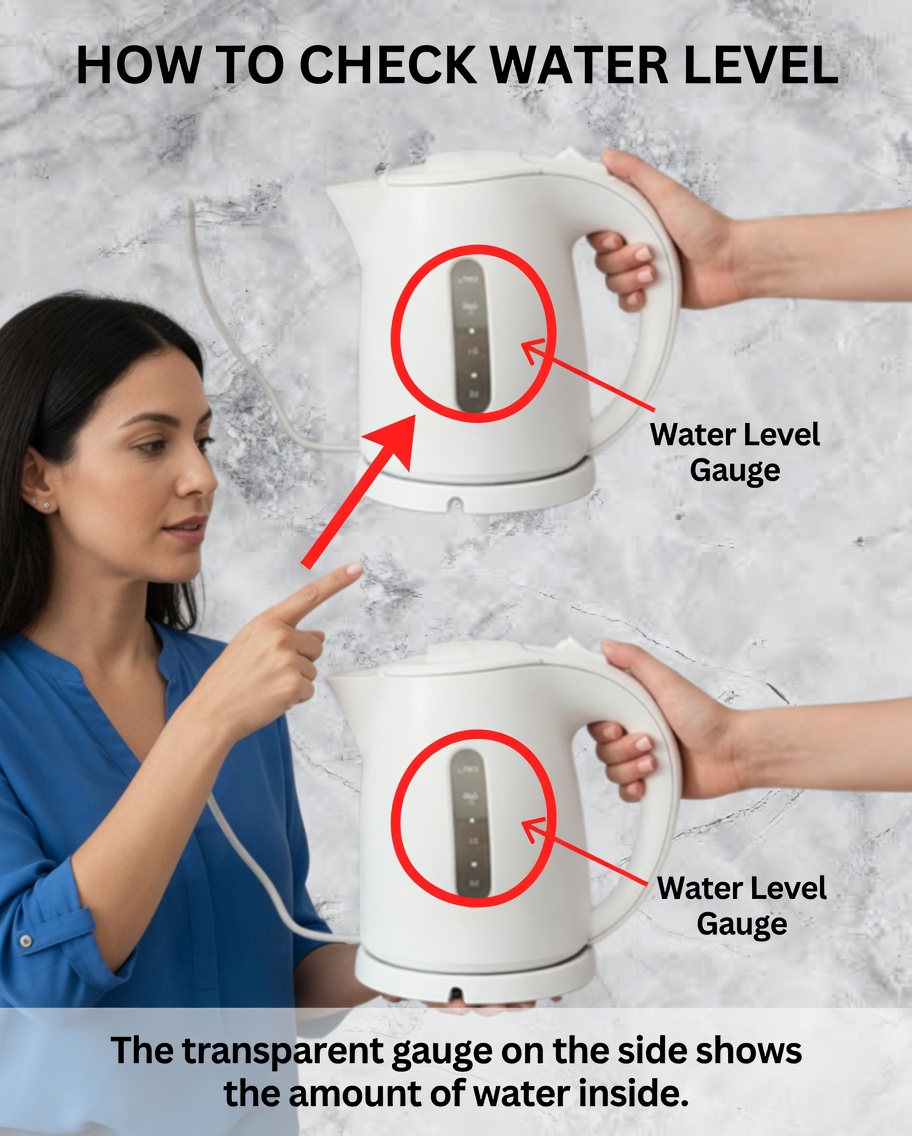
Fill the kettle about halfway with a 50/50 mix of white vinegar and water. Let it sit for at least 1 hour so the mineral deposits can loosen. -
Boil the mixture
After soaking, switch on the kettle and bring the solution to a boil. -
Empty and rinse thoroughly
Pour out the liquid and rinse several times with clean water. Take care to avoid soaking the outside of the kettle.
After this, you’ll notice the limescale is gone and the kettle looks clean, shiny, and refreshed—without scrubbing.
Tips and Extra Advice
- If you want, wipe the inside gently with a soft sponge to check for any remaining residue. In most cases, the vinegar method alone is enough.
- No vinegar available? Use lemon juice instead. The natural acids in lemon help break down limescale effectively and leave a fresher smell.