Bedbugs: What They Are and Why They’re So Hard to Remove
Bedbugs are small, blood-feeding insects that can quickly disrupt your sleep and comfort. They often shelter in mattresses, bed frames, upholstered furniture, and tiny gaps in walls or flooring. Because they reproduce fast and can be difficult to detect early, a minor issue can turn into a full bed bug infestation in a short time. The good news: with a consistent, natural bed bug treatment plan, you can reduce and eliminate them effectively.
How Bedbugs Survive and Spread
Bedbugs are resilient pests, which is why infestations can be stubborn. Here’s how they typically live:
- They feed on blood, most often during the night
- They hide in tight spaces such as mattress seams, headboards, furniture joints, and wall cracks
- They lay large numbers of eggs, making population growth rapid
- They can live for months without feeding, allowing them to persist even in “unused” rooms
Signs of a Bed Bug Infestation
If you suspect bedbugs, look for these common indicators:
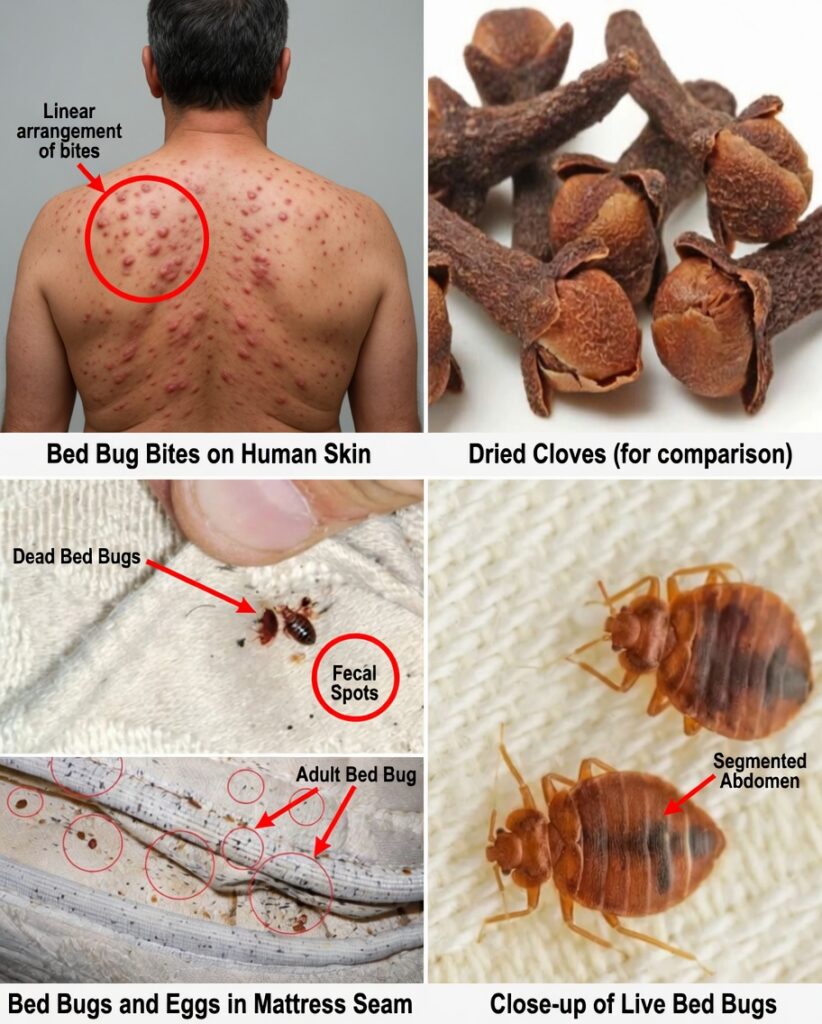
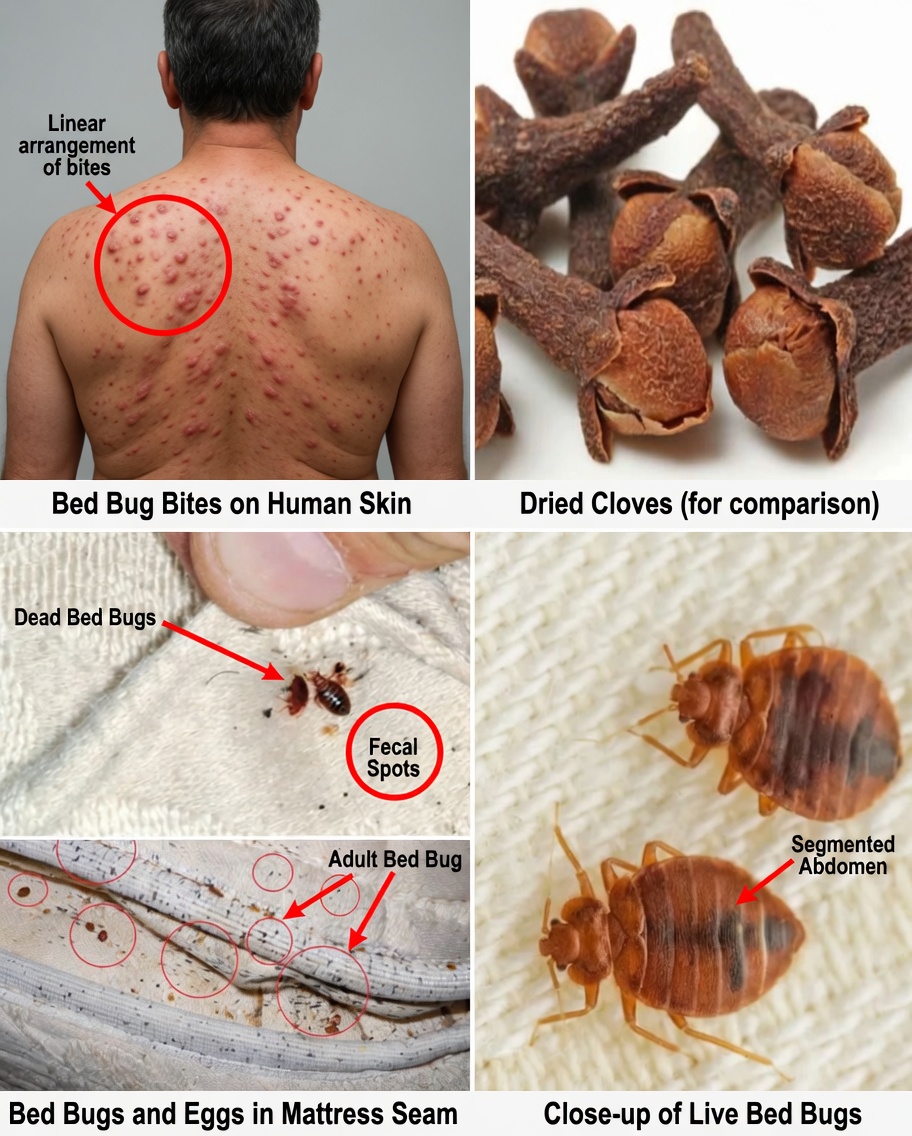
- Itchy red bites, often appearing in lines or small clusters
- Small blood marks on sheets or pillowcases
- Tiny dark specks on mattresses, bed frames, or furniture (bedbug droppings)
- A stale, musty odor in heavily infested areas
Natural Method: How to Get Rid of Bedbugs at Home
This approach focuses on heat, cleaning, and natural products that help kill or repel bedbugs. For best results, repeat the process several times over 1–2 weeks to target newly hatched bugs.
What You’ll Need
- Baking soda (helps dehydrate bedbugs by drawing out moisture)
- White vinegar (can kill bedbugs on contact and may discourage activity)
- Essential oils such as tea tree or lavender (commonly used as natural repellents)
- Vacuum cleaner (removes bugs, eggs, and debris)
- Steamer (high heat can kill bedbugs and eggs immediately)
Step-by-Step: Natural Bed Bug Treatment
-
Vacuum thoroughly
Clean all likely hiding spots: mattress seams, bed frames, carpets, rugs, baseboards, and furniture edges. Empty the vacuum outside immediately after use. -
Steam-clean key areas
Use a steamer on mattresses, sofas, bed frames, and cracks where insects may hide. Heat is one of the most effective non-chemical bedbug killers. -
Apply baking soda strategically
Lightly dust baking soda along mattress edges, corners, carpet borders, and cracks. Leave it for 24 hours, then vacuum it up. -
Use white vinegar for direct contact
Spray vinegar directly onto visible bedbugs and concentrate on infested seams, joints, and crevices. -
Spray an essential-oil water mix
Mix a few drops of tea tree or lavender oil with water in a spray bottle. Apply around bed legs, furniture edges, and gaps where bedbugs may travel or hide. -
Wash and heat-dry linens and clothing
Wash bedding, clothes, and curtains in hot water, then dry on high heat. Heat is critical for killing eggs and hidden insects.
How to Prevent Bedbugs From Returning
After you remove the infestation, prevention helps stop a repeat problem:
- Inspect second-hand furniture carefully before bringing it indoors
- Use mattress and pillow protectors designed to block pests from hiding in seams
- Reduce clutter so bedbugs have fewer places to conceal themselves
- Vacuum and clean regularly, especially around sleeping areas
- Use natural repellents like lavender, peppermint, or tea tree oil around common entry and hiding points
Final Thoughts
Eliminating bedbugs naturally requires persistence, thorough cleaning, and repeated treatments. By combining vacuuming, steam heat, baking soda, vinegar, and essential-oil sprays, you can significantly reduce bedbug activity and work toward a bedbug-free home.