Introduction
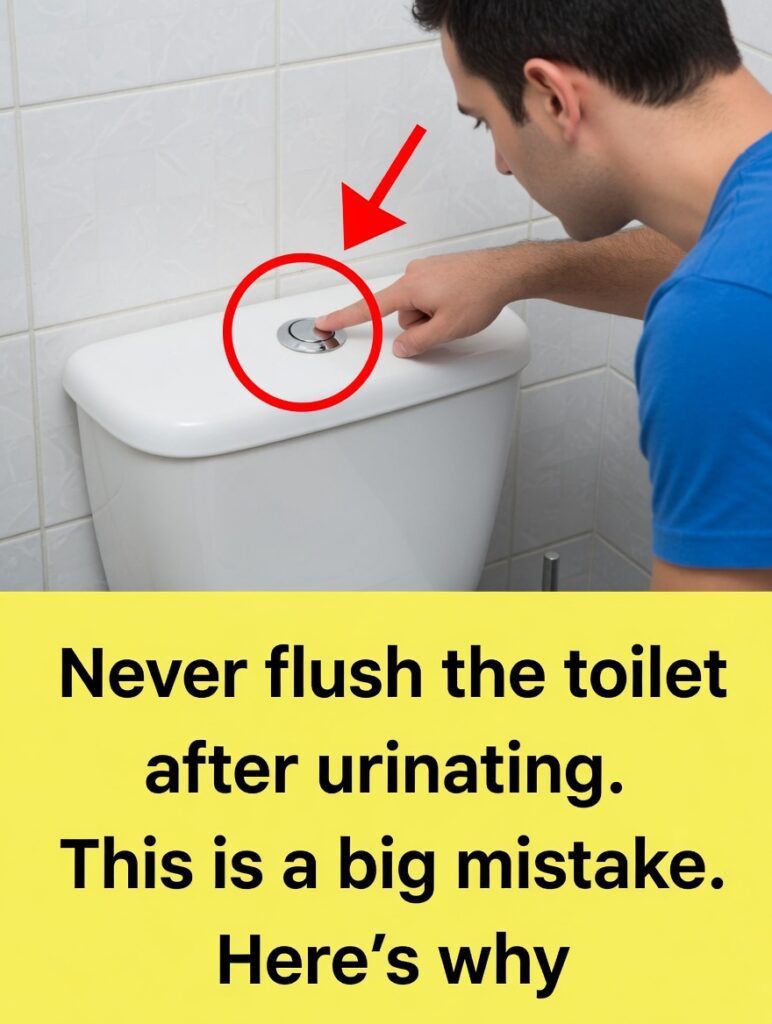
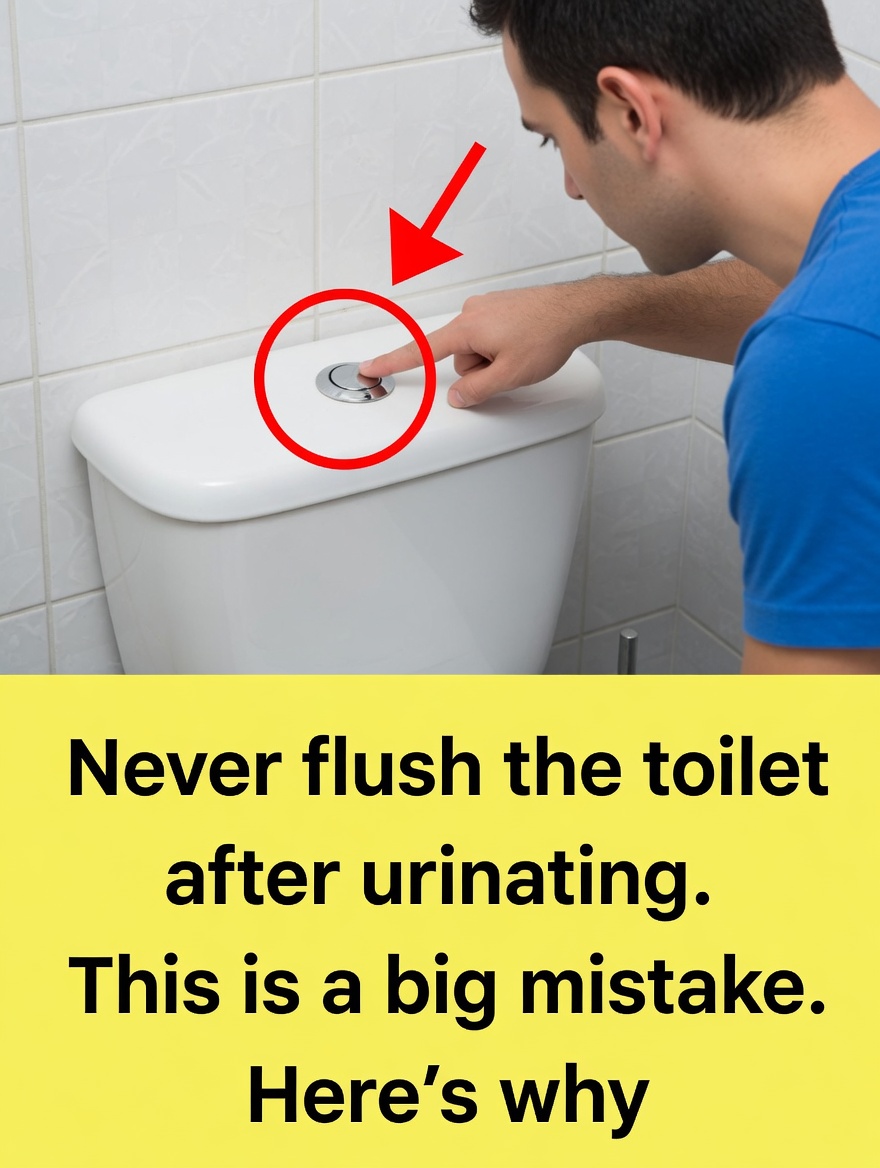
Eco-friendly bathroom habits are gaining attention worldwide, and one practice that often sparks debate is not flushing after urinating every time. It may sound unusual at first, but flushing less frequently can bring real environmental advantages and, with the right routine, still support good hygiene. This article explains when it can make sense to flush less often—and how to do it responsibly.
What You Need
- A toilet
- Urine (from normal use)
- A willingness to choose more sustainable daily habits
Before You Skip a Flush: Key Considerations
Before you decide whether to flush, ask yourself if it’s truly necessary at that moment.
- If you’re alone and the bathroom won’t be used again immediately, skipping one flush may be reasonable.
- If there’s no lingering odor and urine won’t sit for long, the hygiene risk is typically low with proper cleaning.
Reducing flushes is also a simple way to lower water consumption, which helps shrink your overall carbon footprint (because treating and pumping water uses energy).
A practical approach is to create a personal rule—such as flushing only when needed—so you save water without compromising cleanliness.
Hygiene, Cleaning, and Practical Tips
If you choose to flush less often, cleanliness matters even more.
- Clean the toilet regularly to prevent buildup, stains, and bacteria growth.
- Keep the bathroom well-ventilated to reduce moisture and odors.
- If you’re a guest, respect the household routine—bathroom habits vary, and it’s best to avoid misunderstandings.
Eco-Friendly Alternatives and Variations
If your goal is to reduce water use but you prefer flushing every time, consider these options:
- Water-saving toilets (dual-flush models): These use a smaller amount of water for liquid waste.
- Home water efficiency systems: Some households install systems that help manage water more effectively across the home, lowering overall consumption without changing habits dramatically.
FAQ
Is it unhygienic to not flush after every urination?
Not necessarily. If the bathroom is kept clean and the urine is fresh, skipping an occasional flush typically won’t create hygiene issues. Regular cleaning is the key factor.
Do you actually save water by flushing less?
Yes. A single flush can use roughly 3 to 9 liters of water (depending on the toilet). Reducing flush frequency can significantly cut household water use over time.
What if the toilet starts to smell?
If odor becomes an issue:
- Clean the toilet more often
- Improve ventilation (open a window or use an exhaust fan)
- Flush when needed—comfort and hygiene should always come first