Ingredients
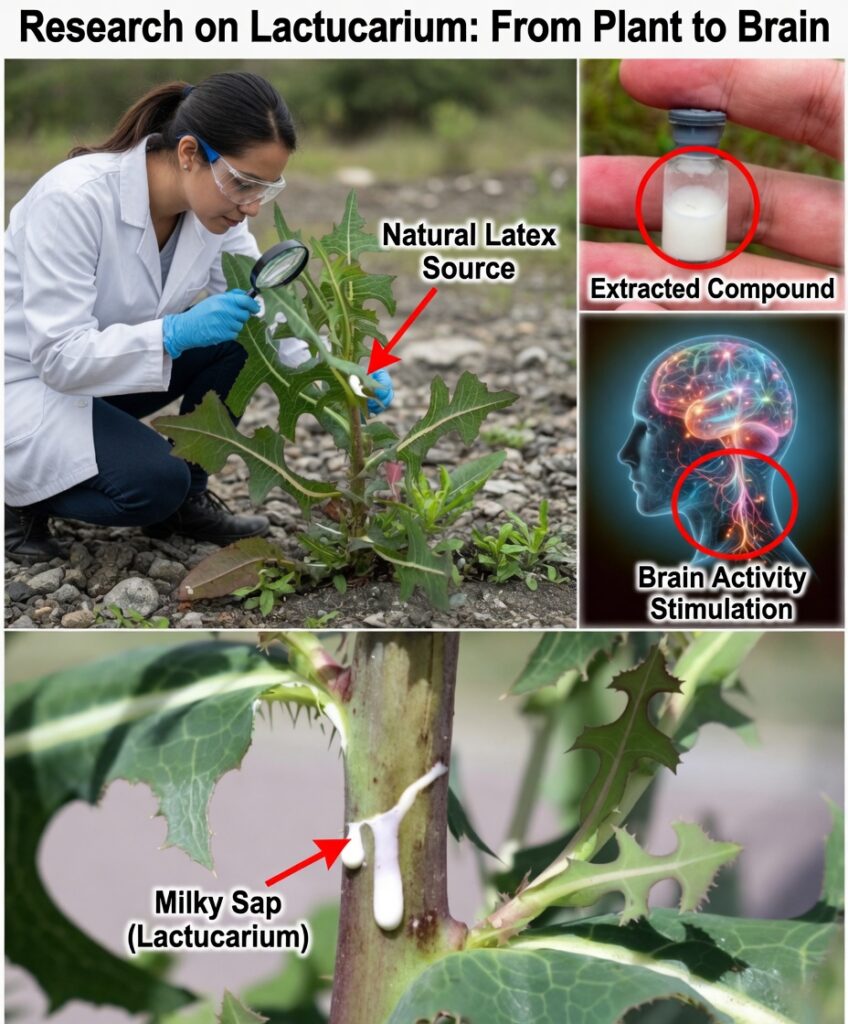
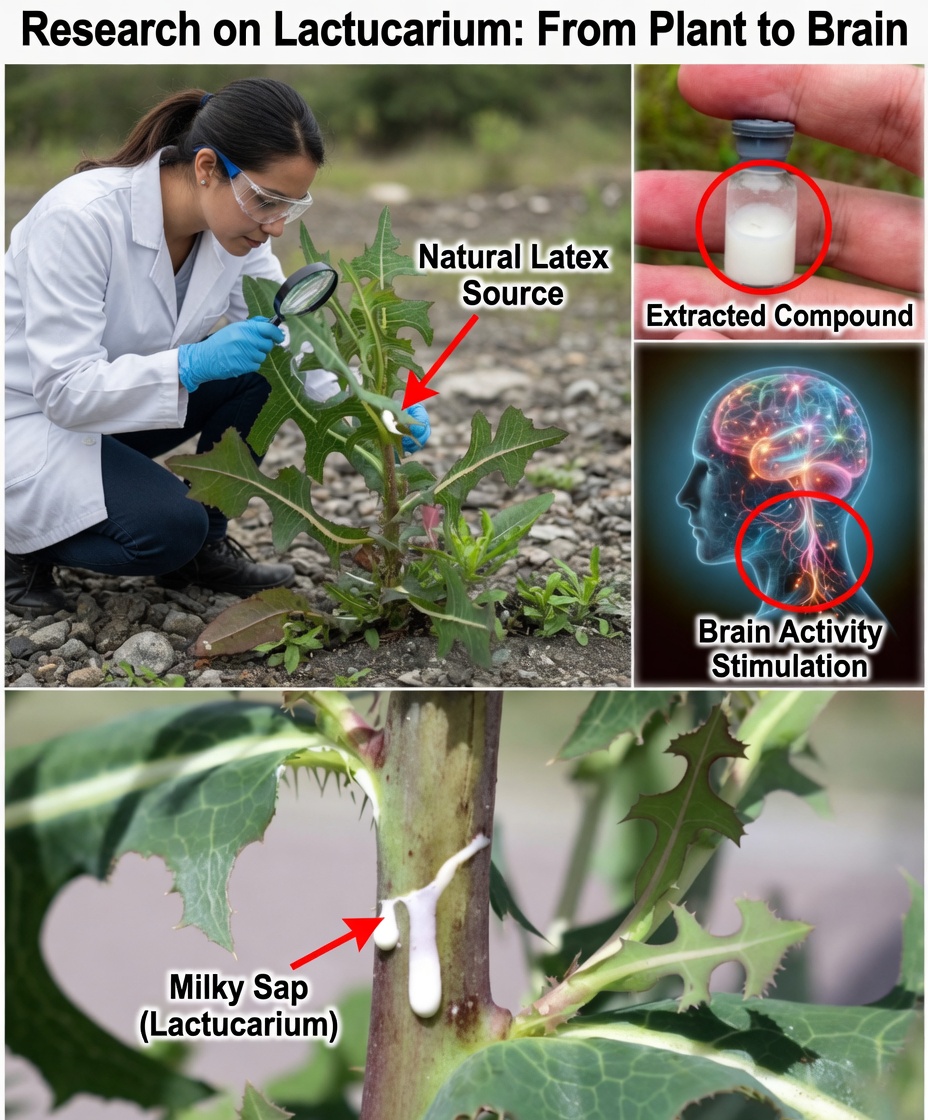
Wild lettuce (Lactuca virosa), widely known as “opium lettuce,” has a long tradition in herbal medicine for natural pain relief and calming effects. The plant produces a milky white latex inside its leaves and stems called lactucarium—often considered the most active part of wild lettuce. Although it does not contain opiates, it has historically been valued for its mild analgesic and sedative properties.
This guide explains how to harvest wild lettuce sap, what it’s commonly used for, practical ways people use it, and essential safety precautions. If you’re exploring herbal remedies or simply researching wild lettuce, this overview will help you understand why lactucarium is so often discussed.
How to Collect Wild Lettuce Sap
Harvesting wild lettuce sap takes time and careful handling. To get the best results, focus on proper identification and a clean collection method.
1. Identify the Correct Plant
Wild lettuce is commonly found in:
- Open fields
- Roadsides
- Disturbed or previously cultivated ground
Key features include:
- Tall growth (often reaching up to 6 feet / 2 meters)
- Spiky, jagged leaves with a blue-green tone
- A milky white sap that appears when the stem or leaf vein is snapped (this latex is lactucarium)
2. Harvest and Dry the Sap
To collect lactucarium:
- Select mature plants: Older wild lettuce typically produces more latex than young plants.
- Cut the stem low: Use a clean knife to slice the stem close to the base.
- Collect the latex: As sap seeps out, gather it with a spoon or scrape it onto a clean glass plate.
- Make additional cuts: After the first flow slows, cut higher up the stalk and branches to encourage more sap release.
- Allow it to air-dry: The latex will darken and dry into a brown resin-like material.
- Store properly: Place the dried resin in a small airtight container, kept cool and dry to prevent moisture damage.
What Is Wild Lettuce Sap Used For?
For generations, wild lettuce sap has been used as a traditional herbal remedy—most often for discomfort and relaxation. Common historical uses include:
- Pain support: Used for minor aches, headaches, and sore muscles
- Relaxation and sleep: Taken by some to help promote calm and improve rest
- Stress and nervous tension: Traditionally used for its gentle sedative qualities
- Cough support: Historically used in small amounts for lingering coughs
- Mild soothing effects: Some people describe a subtle sense of ease or well-being (not typically considered intoxicating)
How to Use Wild Lettuce Sap (and Related Preparations)
People use wild lettuce in different forms depending on experience level and desired effect. Sap-based products are generally stronger than leaf preparations.
1. Tincture (Sap-Based Extract)
A tincture is a common way to preserve and dose small amounts:
- Combine dried sap (resin) with alcohol such as vodka or brandy in a small jar.
- Let it sit for 2–4 weeks, shaking occasionally.
- Strain the liquid and store it in a dropper bottle.
- Start low—some begin with 1–2 drops diluted in water—and increase cautiously only if needed.
2. Tea (Leaf-Based, Not Sap)
If you prefer a gentler option, a tea made from the dried leaves is often used:
- Simmer 1–2 teaspoons of dried wild lettuce leaves in water.
- Steep for 10–15 minutes.
- Drink in the evening if using for relaxation.
3. Direct Use of Dried Sap (Not Ideal for Beginners)
Some experienced herbal users take an extremely small piece of dried resin (often described as rice-grain sized) dissolved in water or tea. This approach requires extra caution due to potency and variability.
4. External Application (Topical Use)
For localized discomfort, some people mix a small amount of sap with a carrier oil (such as coconut oil) and apply it to:
- Sore muscles
- Stiff joints
Avoid applying to broken or irritated skin.
Safety Notes and Important Considerations
This content is provided for informational purposes only. Wild lettuce sap is a traditional remedy, not a medically approved treatment, and it should not replace professional healthcare guidance. If you are considering using wild lettuce in any form, speak with a qualified healthcare professional first.
Key safety points:
- Dose is critical: Too much may cause unpleasant effects such as nausea, dizziness, or discomfort.
- Not suitable for everyone: Pregnant or breastfeeding individuals, children, and people with underlying health conditions should avoid wild lettuce unless a clinician advises otherwise.
- Personal responsibility matters: This article does not substitute for medical advice, and misuse or self-experimentation can carry risks.
Final Thoughts
Wild lettuce sap (lactucarium) is an intriguing herbal substance with a long history tied to pain support and relaxation. Still, tradition is not the same as medical proof, and careful use is essential. If you decide to explore wild lettuce, research thoroughly, start with minimal amounts, and seek professional guidance when needed.
Would you like to read about other traditional herbal remedies with a long history of use? Stay informed and prioritize safety.